






indian curry explained: styles, gravies, and pairings that actually make sense
The phrase “indian curry” gets used for almost any saucy Indian dish, yet the reality is more specific—and far more interesting. Rather than one catch-all recipe, curries are families of gravies, techniques, and spice profiles that vary by region, ingredient, and occasion. Understanding a few fundamentals makes reading any menu less confusing, helps you pair breads or rice on instinct, and lets you choose dishes that match your preferred heat and richness without guesswork.
What makes a curry a curry?
At its core, a curry is a seasoned preparation built on a flavored base (often onion, ginger, and garlic), layered with spices, and finished with liquid—water, stock, dairy, coconut milk, or pureed vegetables—so ingredients simmer and absorb depth. From there, everything changes: the dominant spices, the texture of the gravy, whether sourness or creaminess leads, and how the dish is finished (with ghee, herbs, garam masala, or a squeeze of lemon).
Four anchors shape most experiences of indian curry:
- Technique: how the base is browned or tempered, when spices are added, and whether the gravy is reduced or enriched at the end.
- Spice profile: not just heat, but aromatic balance—earthy, smoky, citrusy, nutty, or floral notes.
- Liquid and body: tomato-forward, onion-forward, nut-based, dairy-rich, or coconut-based.
- Finish and garnish: ghee or oil, fresh herbs, garam masala, cream, or tangy elements like lemon or yogurt.
Essential building blocks: gravy bases you’ll see again and again
Once you recognize the most common bases, many menu names suddenly make sense. These aren’t strict recipes; they’re dependable patterns that signal flavor, texture, and richness.
- Onion–tomato masala: The most widespread North Indian base. Onions are browned with ginger–garlic, tomatoes are cooked down, and powdered spices (like turmeric, red chili, coriander, and cumin) are added. Expect a medium-bodied, robust gravy that suits vegetables, paneer, or meat.
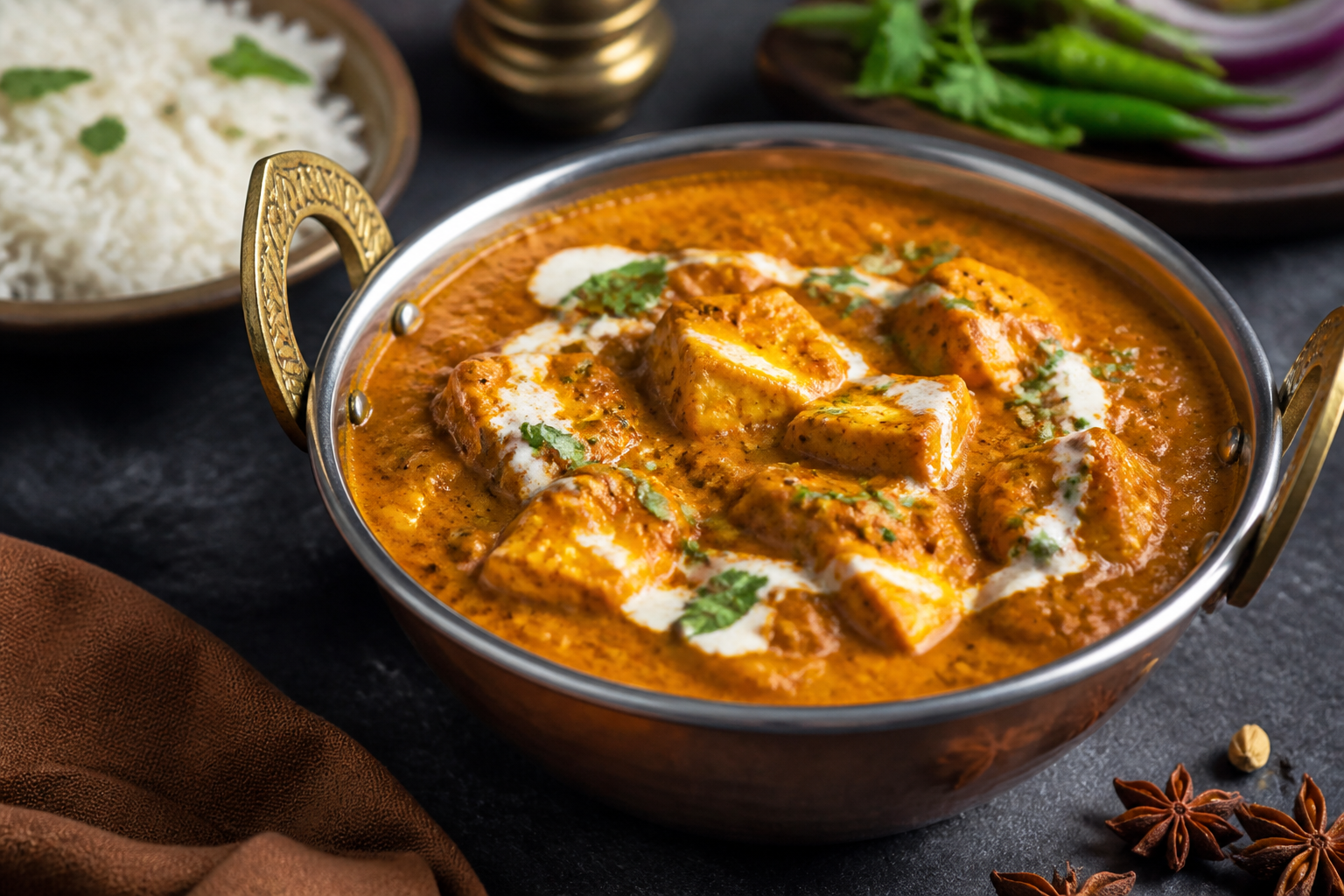
- Tomato–cream (makhani-style): A smoother, buttery base with tomatoes simmered and often enriched with butter or cream. Think silkier mouthfeel, gentle sweetness, and aromatics added toward the end. Great for mild to medium heat preferences.
- Onion-forward brown gravies: Longer browning of onions creates a deeper, lightly sweet, and savory backbone. These gravies tend to be medium-to-dark, with a rounded spice feel and less overt tang.
- Nut-seed enrichments: Cashews, almonds, or poppy/sesame pastes add body and subtle sweetness. Expect a velvet texture and satisfying richness that stands up to assertive spices without feeling fiery.
- Yogurt-based tang: Yogurt lends gentle tartness and a creamy finish without heaviness. It’s common in gravies where warmth and spice complexity take precedence over heat.
- Coconut and curry leaf (southern accents): Coconut milk or ground coconut softens heat and adds a mellow, rounded flavor, often with mustard seeds and curry leaves tempered in hot oil for a lively aroma.
These bases mix and match: a dish may be onion-forward but finished with cream; tomato-led but rounded out by nuts; or yogurt-bright with a final tempered oil of spices for fragrance.
Popular styles, north to south
Curries wear their regions proudly. While every kitchen has its own touch, these broad styles help you anticipate what’s on the plate.
- Punjabi and North Indian styles: Bold, hearty gravies, often anchored by onion–tomato masala and finished with ghee or butter. You’ll meet paneer curries, chickpea curries, and creamy tomato-based classics that comfort without compromising spice character.
- Awadhi and Mughlai influences: Slow-cooked richness, nut-based gravies, delicate aromas, and a gently layered warmth more than sharp heat. Expect luxurious textures and balanced spicing.
- Western coastal touches: Coconut, kokum or tamarind for tang, and spices tempered in oil for a bright, perfumed top note. Seafood and vegetable curries shine here.
- Southern expressions: Curry leaves, mustard seeds, black pepper, and coconut create light-yet-satisfying gravies. Heat can range from gentle to lively, but flavors stay buoyant and aromatic.
Within each region, vegetarian and non-vegetarian curries share techniques while highlighting different main ingredients (paneer, legumes, seasonal vegetables, or meats). The base and finishing choices determine whether a dish leans comforting, celebratory, or weeknight-simple.
Heat vs. flavor—and how to ask for it
“Spicy” can mean hot, but in indian curry it more often means “well-spiced.” Aromatic warmth (like cumin, coriander, and garam masala) is different from chili heat. If you’re choosing for a group with mixed heat tolerance, look for dishes described as creamy, buttery, makhani-style, or nut-enriched for a gentler ride. Tomato-forward gravies can carry moderate heat gracefully without feeling heavy. Onion-brown gravies land in the savory middle ground.
When you can indicate a preference, think in three sliders rather than one switch:
- Chili heat: how fiery the bite feels.
- Richness: butter, cream, nuts, or coconut increase body and mellow heat.
- Tang: tomato, yogurt, tamarind, or lemon add brightness that can make a dish feel lighter even with bold spices.
Keeping these in mind helps you nudge any curry toward your comfort zone—even when the dish name is new to you.
Classic pairings: breads, rice, and sides
Great pairings respect texture, soak up sauce, and create contrast. You rarely need to memorize exact rules; use these reliable matches as a compass.
- Richer, creamy gravies with soft breads: Buttery or cream-enriched curries love soft, slightly chewy breads. The bread acts like a spoon without overwhelming the sauce.
- Tomato-onion gravies with layered or tandoor-kissed breads: Medium-bodied curries pair well with breads that can stand light char or layers, adding smoke or flake as contrast.
- Bright, coconut or yogurt-forward curries with steamed rice: Light, aromatic gravies sing with plain rice, letting the spice and acidity stay front and center.
- Chunky or dry-ish masala styles with flaky breads or jeera rice: When the gravy clings rather than pools, flake and fragrance are your friends.
Sides and add-ons can reset your palate and stretch a meal:
- Cooling dairy notes: A spoon of yogurt on the side softens heat and rounds edges.
- Crunch and freshness: A simple salad of onions, cucumbers, and lemon livens bites between rich mouthfuls.
- Pickles and chutneys: A dab adds concentrated tang, sweetness, or fire without changing the curry itself.
Ordering with confidence: quick menu clues
Even if names are unfamiliar, a few keywords reveal what you’re in for:
- Makhani, butter, or malai: Silky, mild-to-medium gravies with dairy richness; heat is usually more gentle than the spice aroma suggests.
- Kadai or karahi: A wok-like pan; expect robust, slightly chunky masala with bell peppers or onions adding texture.
- Do pyaza: Onion used in two ways; anticipate a savory, onion-forward profile.
- Saag or palak: Leafy greens base; warm, mellow spice with creamy body from pureed greens.
- Jalfrezi or stir-fry styles: Quick-cooked peppers and onions with a clingy masala; brighter, less saucy.
- Vindaloo or tamarind-noted dishes: Tang and heat together; zesty and lively.
If you’re balancing a table order, combine one creamy or nutty curry, one tomato–onion medium-bodied curry, and a lighter, tang-forward or coconut-based option. Add a plain rice and a contrasting bread, then introduce heat or tang via pickles and chutneys as needed.
Cook-at-home basics, simplified
You don’t need a sprawling spice cabinet to capture the soul of indian curry at home. Start with a small, versatile set and build confidence in technique first.
- Core aromatics: ginger, garlic, and onions. Browning onions patiently builds sweetness and body.
- Foundational spices: turmeric (color and earthiness), coriander (citrus-warmth), cumin (toasty depth), and a red chili of your choice for heat control.
- Balance makers: tomato (tang and umami), yogurt (gentle sourness and silk), nuts or cream (body), and lemon to finish.
- Finishing touch: a small pinch of garam masala near the end adds perfume without harshness.
Technique trumps quantity. Sauté aromatics until the raw edge disappears, cook spices briefly in fat so they bloom, and simmer long enough that oil or ghee begins to separate from the masala; that’s a telltale sign of developed flavor. Adjust salt gradually and finish with something fresh—herbs or citrus—to lift the dish.
For variety without complexity, change one variable at a time: swap cream for cashew paste to keep richness dairy-light; replace tomato with yogurt for a tangier profile; or temper mustard seeds and curry leaves in hot oil, then pour over the finished curry for southern-style fragrance.
FAQ about indian curry
Is “curry powder” the same thing as indian curry?
No. Curry powder is a pre-mixed blend created to approximate certain Indian flavors, but indian curry refers to actual dishes built from fresh aromatics, whole and ground spices, and varied bases. Many Indian kitchens rely on specific spice combinations and timing, not a single universal powder.
How do I choose a curry if I’m sensitive to heat?
Look for descriptors like makhani, butter, malai, nut-based, or coconut-based—these signal gentler heat and rounder flavors. You can also favor yogurt-led gravies or leafy green bases, which emphasize warmth and complexity over chili fire.
What’s the difference between a tomato-based and an onion-forward gravy?
Tomato-based gravies tend to feel brighter and slightly tangy, balancing spice with gentle acidity. Onion-forward gravies develop sweetness and depth through longer browning, yielding a savory, rounded profile with less overt tang. Both can be medium-bodied; the difference is the dominant note.
Why do some curries taste better the next day?
Time allows spices to meld and the gravy to thicken slightly, concentrating flavor. As the sauce rests, aromatics integrate, and rough edges soften, creating a more cohesive taste.
Do breads or rice make a curry taste spicier or milder?
They change perception. Buttery breads can soften sharp edges, while plain rice makes brightness and heat feel more pronounced by staying out of the way. Choosing one or the other subtly steers the experience without altering the curry.
A simple way to decide tonight
Pick your mood first, then fill in the blanks:
- Body: light and bright, medium and robust, or rich and silky?
- Heat: gentle, moderate, or lively?
- Lead note: tangy tomato/yogurt, savory onion, nutty-sweet, or coconut-soft?
- Pairing: a soft bread for comfort, a tandoor-kissed bread for contrast, or plain rice for clarity?
Answering these sets the compass. From there, any menu becomes a choose-your-own-adventure built from bases and finishes you now recognize.


Leave A Comment