







Planning a Shared Punjabi Restaurant Meal in Brampton: How to Build a Balanced Order
Planning a shared Punjabi restaurant meal in Brampton is easier when the group decides what kind of experience it wants before choosing dishes. A focused meal built around one specialty, a broad table for several people, and a first-time introduction to Punjabi food all require different ordering strategies.
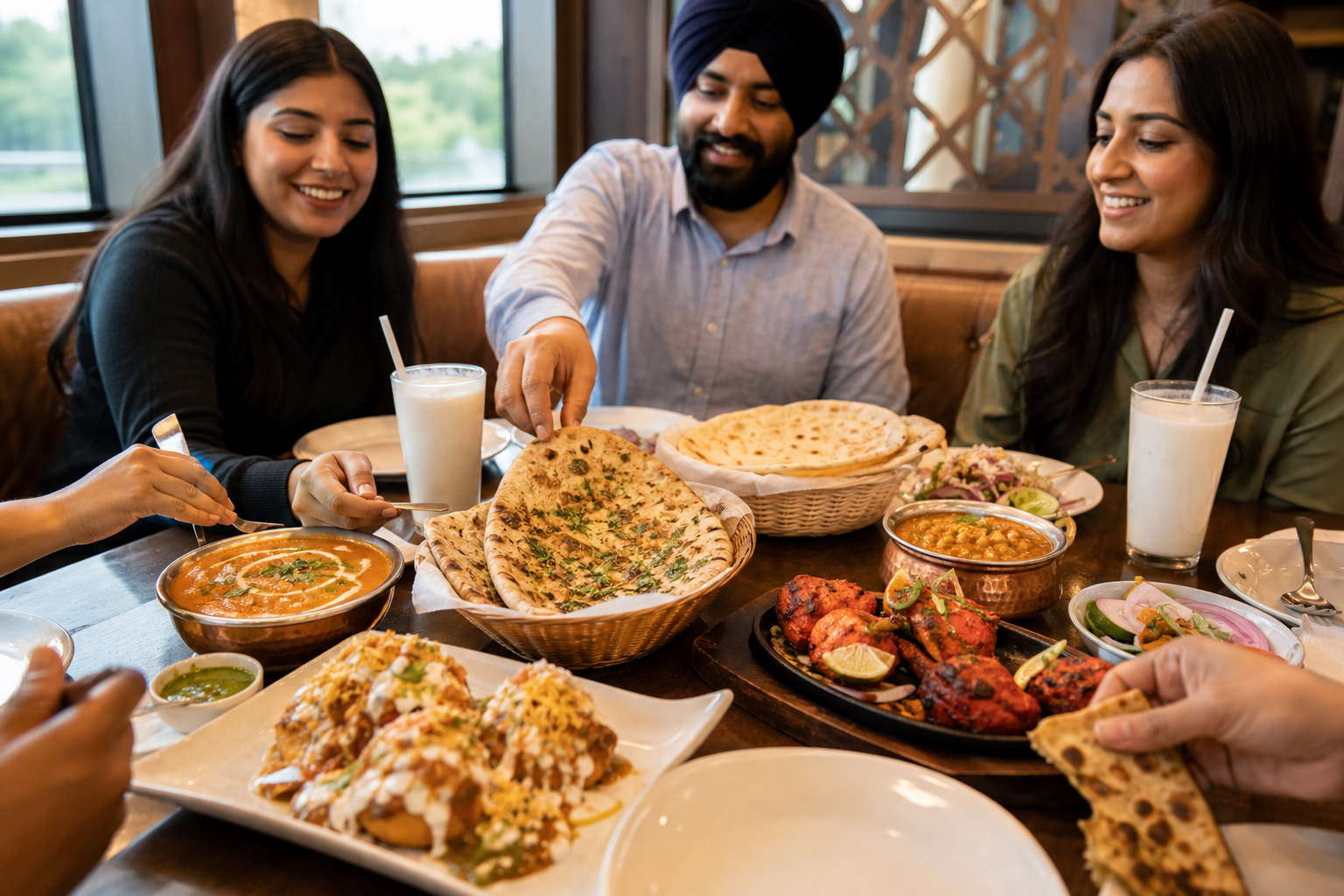
Define the occasion, identify dietary and spice preferences, then combine contrasting categories such as kulcha, tandoori dishes, chaat, curries, breads, and drinks. This creates variety without filling the table with dishes that taste or feel alike.
Key Takeaways
- Understanding the occasion and preferences is crucial for a successful shared meal.
- Incorporate a variety of textures and flavors to enhance the dining experience.
- Effective communication about dietary restrictions ensures everyone enjoys the meal.
- Designate an order coordinator to streamline the ordering process.
- Always confirm menu details and restaurant policies before your visit.
Choose the Right Shared-Meal Format
A Punjabi meal for the table can mean several things. Matching the format to the occasion helps control decisions, avoid waste, and keep the meal enjoyable.
| Meal format | Best for | Planning approach | Trade-off |
|---|---|---|---|
| Focused signature meal | A small group with a clear craving | Choose one central preparation and essential accompaniments. | Simple, but less varied. |
| Broad shared table | Friends or family sampling several dishes | Combine contrasting categories, textures, and flavours. | More discovery and coordination. |
| First-time exploration | Diners unfamiliar with Punjabi food | Pair approachable dishes with one or two distinctive specialties. | Needs more explanation. |
| Coordinated group occasion | A larger or time-sensitive party | Confirm seating, timing, ordering arrangements, and one coordinator. | Predictable, but less spontaneous. |
Before choosing dishes, define the broad shared table or another format that fits the occasion. There is no universally correct order. The right choice depends on the people sharing it.
Start With the Meal Mission

Answer four questions before opening the menu: Who is eating, what is the occasion, how much time is available, and does anyone have dietary or ingredient concerns? These answers determine whether the table should prioritize one specialty, maximum variety, familiarity, or carefully timed service.
A celebration may call for shareable variety and a relaxed pace. A meal between commitments may be better with a focused order and familiar accompaniments. If some diners are new to Punjabi food, include an approachable option alongside more distinctive choices.
Appoint one order coordinator to collect dietary questions, check current availability, prevent duplicate orders, and confirm the final plan with the restaurant.
Build a Balanced Punjabi Order
A balanced order has a centre, supporting dishes, and contrast. Punjabi and North Indian menus often include rich breads, smoky tandoori preparations, hearty curries, crisp or tangy chaat, and cooling drinks. Ordering across these categories can give everyone something different to try.
An Indian Punjabi restaurant in Brampton may organize its menu around kulcha, tandoori items, chaat, signature curries, breads, and lassi. Treat these as planning categories rather than a promise that every item will be available. Confirm the current menu before ordering.
Choose an anchor dish
Begin with one dish that represents the meal’s main purpose. For a group seeking Amritsari cuisine, an Amritsari kulcha can serve as the bread-focused anchor. A tandoori special may suit diners who want smoky flavours, while a signature curry can provide a saucy centre for bread or rice.
The anchor should reflect the group’s strongest shared preference, not simply the longest menu description. If tastes differ, choose a familiar centre and add one distinctive item. Ask about serving guidance when quantities matter rather than assuming a listed dish will feed a particular number of people.
Add contrast with starters, breads, and sides
A traditional starter or street-style chaat can add crispness, tang, or freshness beside a soft bread or rich curry. A tandoori item contributes char and aroma, while tandoori roti can provide a simpler pairing for sauces.
Avoid building the whole order around several stuffed breads, creamy dishes, or items with the same heat level. Compare each proposed dish by texture, richness, spice, and serving role.
Use drinks to balance the meal
A chilled sweet lassi can complement spicy or smoky dishes and provide palate balance between bites. Its lightly sweet, creamy profile differs from savoury or fruit-based lassi.
Confirm current drink options and whether the group wants individual servings or shared drinks. A beverage can support the meal, but it does not replace clarification about ingredients, spice, or allergies.
Plan for Different Diners at the Same Table
Ask each diner about vegetarian preferences, spice tolerance, unfamiliar ingredients, allergies, and preferred flavour direction. Children and cautious first-time diners may prefer a familiar bread, mild curry, or simple starter alongside more distinctive dishes.
Do not treat a vegetarian label or dish name as an answer to an allergy question. Explain the concern clearly and ask about ingredients, preparation, cross-contact, and suitable alternatives. The restaurant should confirm what it can accommodate when the order is placed.
A Flexible Shared-Order Framework
This is a planning model, not an official recommendation, serving-size promise, or guaranteed menu combination:
- One anchor: Choose an Amritsari kulcha, tandoori preparation, or signature curry.
- One contrasting starter: Add a traditional starter or chaat with a different texture or flavour.
- One additional centre or vegetable option: Give diners another choice without repeating the anchor.
- One bread or accompaniment: Consider tandoori roti or another suitable pairing.
- Drinks based on the table’s needs: Add lassi or another current option if it complements the meal.
For a small group, narrow the framework to one anchor and one contrast. For a larger group, expand only after checking preferences and expected portions. The goal is useful variety, not ordering every category.
What to Confirm Before Booking or Visiting
Menus, hours, prices, availability, and booking processes can change. Confirm details through a current, verified channel rather than relying on an old menu or search snippet.
- Group details: Share the number of diners, date, arrival time, and special needs.
- Seating: Ask whether the group can sit together.
- Menu availability: Confirm the anchor dishes and alternatives.
- Dietary questions: Ask about ingredients, preparation, spice, and allergy concerns.
- Cost: Verify current prices, taxes, service charges, deposits, or minimums.
- Timing: Mention any fixed end time or event afterward.
- Booking method: Confirm whether reservations are accepted by phone, online form, or another method.
- Location and hours: Recheck both on the day of travel.
Common Shared-Meal Planning Mistakes
- Ordering by quantity instead of contrast: Similar breads or creamy dishes may create little variety.
- Leaving dietary questions until arrival: Early communication gives the restaurant more opportunity to explain options.
- Assuming mild means allergy-safe: Heat level and allergen information are separate questions.
- Using outdated menu information: Confirm prices, availability, hours, and booking processes directly.
- Having no order coordinator: Groups can duplicate dishes or overlook important concerns.
Frequently Asked Questions
What should a first-time diner order for a shared Punjabi meal?
Start with one familiar anchor, such as a bread or curry, then add a tandoori or chaat-based dish for contrast. Ask about unfamiliar ingredients and confirm current availability.
How should a group communicate dietary restrictions?
State whether the concern is a preference, intolerance, allergy, or medical issue. Ask about ingredients, preparation, cross-contact, and alternatives instead of relying only on menu labels.
How can a group avoid ordering similar dishes?
Give each dish a role, such as anchor, starter, curry, bread, vegetable option, or drink. Compare texture, richness, freshness, and spice, then remove dishes that serve the same purpose.
What should you confirm before booking in Brampton?
Confirm the date, arrival time, group size, seating, menu availability, dietary questions, prices, hours, location, and reservation method. Mention any strict schedule when booking.
Plan the Table Around the People Sharing It
A successful shared Punjabi restaurant meal begins with the group, not the menu’s longest list of options. Define the occasion, choose the right format, select one anchor, add useful contrast, and confirm dietary and practical details before setting out.
For authentic Amritsari and Punjabi cuisine in Brampton, tasteofamritsar.com provides the restaurant’s current website for reviewing available information and planning a visit.


Leave A Comment