




Chole bhature: What it is and a checklist for Brampton diners
What chole bhature is
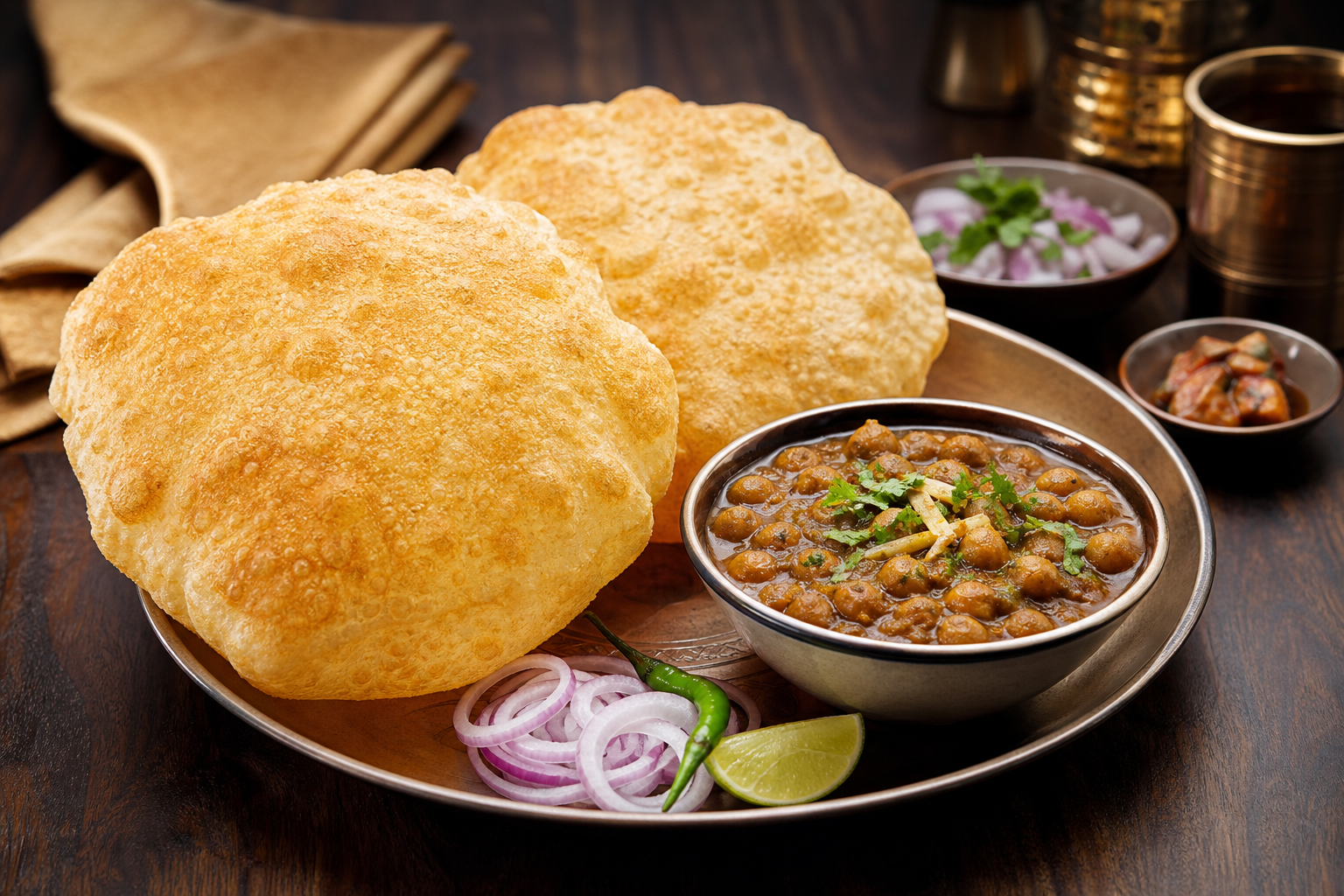
Chole bhature is a classic North Indian plate built from two complementary parts. Chole is a spiced chickpea curry, usually tomato-forward with browned onions and toasted whole or ground spices. Bhature are deep fried, leavened flatbreads that should puff during frying to create an airy, layered interior and a crisp outer skin. Together they form a hearty street-food and breakfast staple in Punjabi and Amritsari cuisine, commonly served with tangy chutney, pickles, and sliced onions to balance the richness.
Why chole bhature matters to diners in Brampton
For local diners, chole bhature is both comfort food and a test of a kitchen’s command of Punjabi technique. The dish rewards correct technical steps: properly soaked and cooked chickpeas, gently toasted spices, and bhature dough with the right hydration and rest to puff. Restaurants that focus on authentic ingredients and traditional methods tend to reproduce the ideal contrast between a warmly spiced, concentrated chole and a crisp, pillowy bhatura. In Brampton, places that highlight Amritsari or Punjabi recipes and imported masalas set expectations you can rely on when choosing dine-in or pickup.
Chole bhature decision checklist (6 checks you can scan in 30 seconds)
Here are six quick cues you can spot on a menu description, in a photo, or with a first bite. Use them as a rapid decision checklist when ordering or choosing a restaurant.
1. Chickpea tenderness and soak quality
Look or ask for chickpeas that are tender but still whole. Properly soaked and simmered chickpeas should be soft to the bite without falling apart into a paste. If the chickpeas feel hard or chalky they were under-soaked or undercooked; if they dissolve into mush the cook overcooked them. On delivery photos, intact, gently rounded chickpeas in a thick sauce are a positive sign. When ordering in person, a single fork test or tasting spoon usually reveals the right texture.
2. Spice depth and balance in the chole
Good chole tastes layered: a rounded tomato body, a warm toasted-spice aroma, balanced salt, and a touch of acidity to brighten the dish. Avoid curry that tastes flat, sickly sweet, or bitter. Bitterness often means spices were burned; flatness can indicate insufficient browning of onions or old masala. Menu notes that mention house chole masala, freshly toasted spices, or slow-simmering are useful cues but the true test is a small taste for warming spice without harshness.
3. Bhature puff and interior texture
Bhature should show a clear puff and an airy pocket inside. A properly puffed bhatura will have a crisp exterior and a soft, layered interior that tears easily and soaks up chole. Common reasons bhature fails to puff include dough that is too dry, not rested long enough, oil that is not hot enough, or overcrowding during frying. If a kitchen makes bhature to order or advertises fresh frying, your chance of getting a puffed bhatura increases.
4. Oiliness and freshness of the fried bread
Well-fried bhature drains and feels light rather than greasy. Excess oil usually indicates oil that was too cool or that bhature were left standing in oil or packed while still hot and oily. For delivery, expect a small loss of crispness, but excessive oiliness suggests a frying technique issue in the kitchen. If the bhature arrives soggy, reheating on a hot griddle or in a hot oven briefly recovers texture better than microwaving.
5. Accompaniments and presentation
Traditional accompaniments—tangy chutney, spicy pickles, and sliced raw onions—are not decorative extras. They cut through the richness and add needed acidity and crunch. A restaurant that lists chutneys or pickles on the menu or provides them on the side demonstrates attention to a balanced plate. If accompaniments are missing or minimal, the overall experience will feel one-dimensional.
6. Portion consistency and value cues
Expect enough bhature to scoop the chole comfortably and a generous portion of curry. Check reviews for consistent portioning if value matters to you. Repeated comments about small bhature or skimpy curry are a practical signal to ask staff about portion sizes before you order. When a menu highlights specialty breads or a signature chole, those items often receive more consistent portion control.
How chole and bhature are made correctly and the cooking cues to use
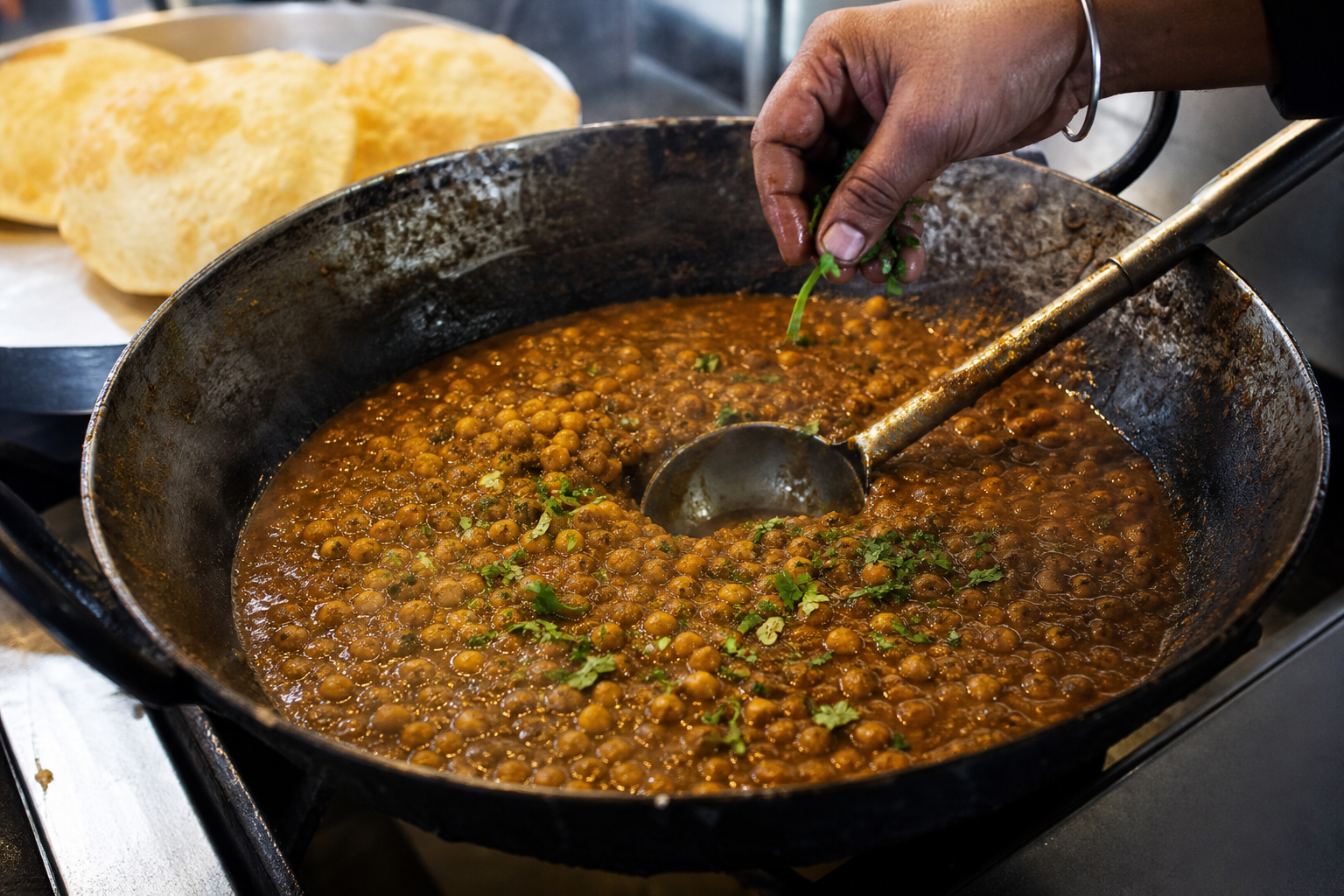
Understanding the key technical steps helps you interpret the checklist above. For chole, start with well soaked chickpeas; long enough soaking and thorough simmering produce a tender interior and a creamy exterior without disintegrating. Browning onions and reducing tomatoes concentrates flavor and gives the curry body. Toasting whole spices or frying ground masala releases fragrant oils; the cook must avoid burning these spices because that causes bitterness. Authoritative recipe guides emphasise these steps as the difference between a flat curry and a deeply flavored chole (MasterClass).
Bhature depends on dough hydration, proper leavening or fermentation time, and frying technique. The dough should be soft and rested so gas pockets form; frying at the right oil temperature lets each bhatura puff once placed in the pan. Overcrowding the fryer or using oil that is too cool prevents puffing and increases oil absorption. Practical troubleshooting and common causes of puff failure are outlined in focused how-to resources (Urbaspedia).
How to judge chole bhature in Brampton: where to order and what to expect
In downtown Brampton, look for restaurants that advertise Punjabi or Amritsari recipes and mention house masalas or traditional techniques. Taste of Amritsar highlights Amritsari and Punjabi dishes and the use of imported masalas to preserve authentic flavour profiles. The restaurant lists its menu and contact details on its site, which is a good starting point to confirm hours, specials, and whether certain breads are made to order. Customer reviews that praise consistent flavours and breads suggest a reliable kitchen, while comments about service inconsistency or portion variation are worth noting before you visit.
If the menu mentions related items such as kulcha or specialty breads, those dishes often reflect a kitchen’s broader skill with dough and tandoor cooking, and they can be a useful cross-check before ordering chole bhature. For more context on Amritsari preparations and related plates see the restaurant’s own amritsari chole kulche guide on the site.
Ordering, delivery and dine-in tips
- Order for pickup or dine-in when you want the freshest bhature; fresh frying gives the best puff and crispness.
- If you order delivery, ask the kitchen to pack bhature separate from chole so steam does not make the bread soggy in transit.
- Reheat bhature briefly on a hot griddle or in a hot oven to recover crisp edges; avoid microwaving if you want a restored texture.
- Ask staff whether bhature are made to order, whether chole is simmered fresh, and whether accompaniments are included—these answers set expectations for texture and balance.
- When in doubt, ask for a small tasting portion if the restaurant offers it; a quick sampling prevents a disappointing full order.
Common objections and decision criteria diners use
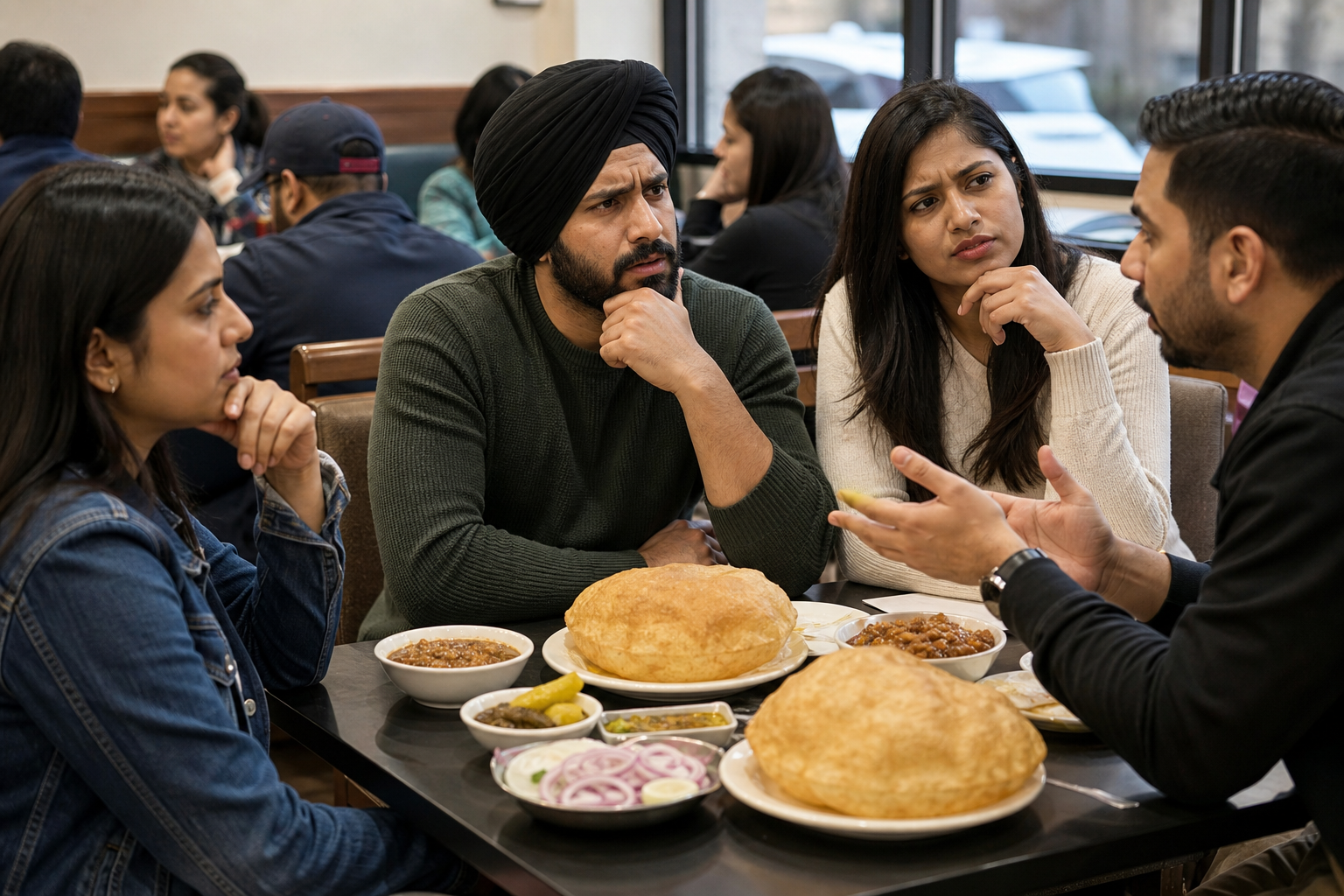
Here are frequent concerns and a short rule of thumb to decide whether to proceed with an order:
- Delivery sogginess: accept only if the bhature are packed separately or choose pickup.
- Portion variation: if reviews mention small sizes frequently, ask staff before ordering or try a dine-in visit first.
- Service inconsistency: repeated reports of slow or cold plating suggest visiting at off-peak hours to try the food in person.
- Off flavours in chole: if the curry tastes bitter or burnt, send feedback and request a remake; burnt spices are a known cause of that issue (MasterClass).
FAQ
What is chole bhature and is it vegetarian?
Chole bhature combines spiced chickpeas with deep fried leavened bread. The classic dish is vegetarian, though kitchens can vary in cross-contact practices or added garnishes, so confirm preparation if you require strict vegetarian handling.
Why does bhature sometimes fail to puff and how can I tell if it was made correctly?
Bhature fail to puff when the dough is too dry, not rested enough, oil is too cool, or the pan is overcrowded. A correctly made bhatura will have a visible puff with an airy interior and crisp exterior. Practical troubleshooting covers dough rest, hydration, and frying technique (Urbaspedia).
How should chole taste and what indicates stale or overtoasted spices?
Chole should taste rich, mildly tangy, and warmly spiced without a sharp burnt aftertaste. Bitterness usually indicates overtoasted or burnt spices, while a flat curry often results from under-browned onions or stale masala. Freshly toasted spices and reduced tomato-onion bases create the balanced flavour you should expect (MasterClass).
Is chole bhature a good delivery item and how can I get it fresh?
Chole itself travels well, but bhature loses crispness in transit. To preserve texture, request separate packaging for bread and curry, choose pickup when possible, or reheat briefly on a hot griddle or in a hot oven once it arrives.
Where can I order authentic chole bhature in Brampton and how do I book a table at Taste of Amritsar?
For downtown Brampton options, Taste of Amritsar features Amritsari and Punjabi dishes and posts its menu and contact details on its site. Check the restaurant site for menu items and hours and call the number on the site to reserve a table or ask about availability. For related dishes and pairing ideas, see the restaurant’s amritsari chole kulche guide on tasteofamritsar.com.
See the menu or book a table
Ready to try chole bhature in Brampton? See the menu or reserve a table at the official website. For closely related dishes and pairing ideas consult the amritsari chole kulche guide on the site.


Leave A Comment