




Chole Kulche Guide: Know What Makes It So Loved 2026
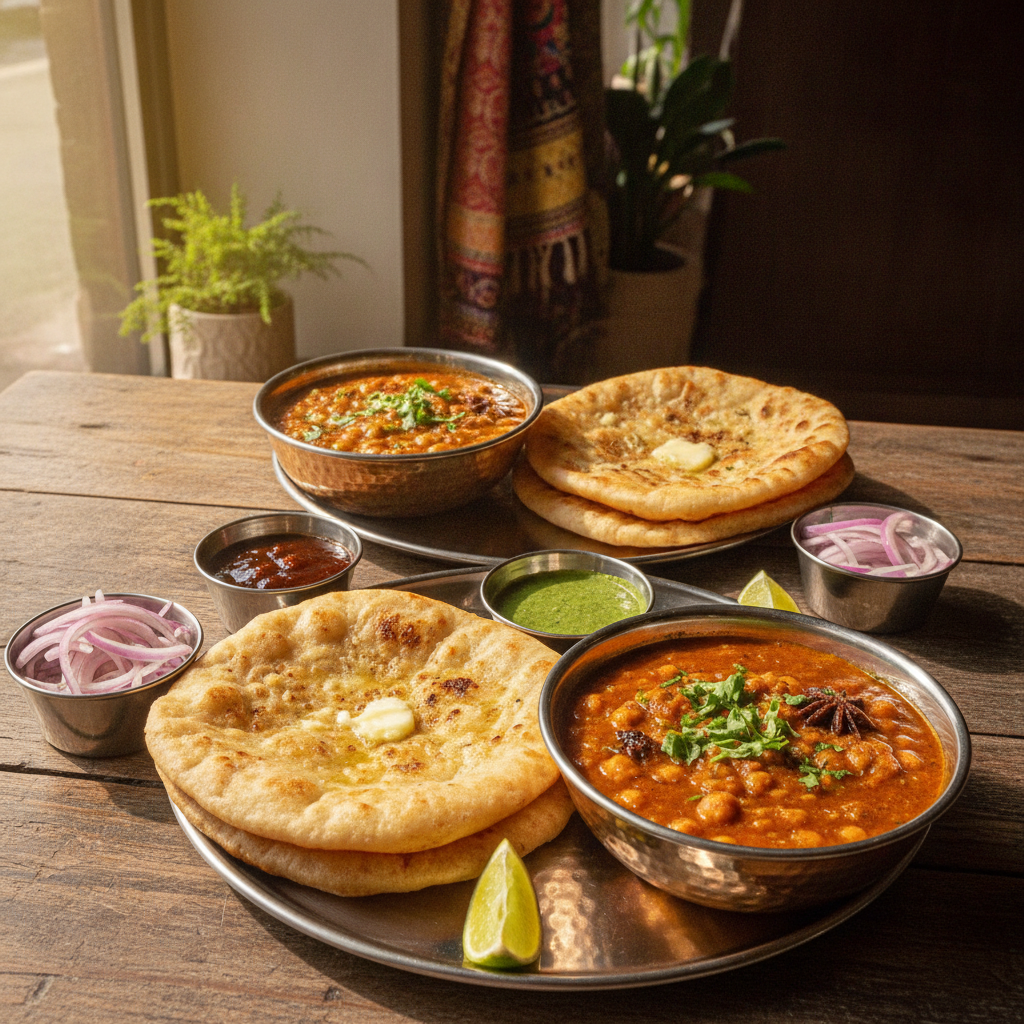
Amritsari chole kulche is the classic pairing of tangy, slow-simmered chickpeas (chole) with a fluffy, blistered kulcha. In Brampton near 27 main st N, it captures homestyle comfort with imported masalas and a butter-brushed finish. It matters because protein-rich chole and tender bread deliver balance, warmth, and shareability in one timeless Punjabi meal.
By Harman Jaura • tasteofamritsar.com • Last updated: 2026-07-06
Above-the-Fold: Hook + Table of Contents
At its best, Amritsari chole kulche is contrast done right: hearty, tangy chickpeas meet a buttery, blistered flatbread. This complete guide covers what defines the dish, how we build flavor and texture, tips to order like a local in Brampton, and smart reheating and pairing moves you’ll actually use.
Here’s the thing—great chole kulche isn’t just a recipe. It’s timing, temperature, and tradition working together. Use this roadmap to jump where you need:
- Overview
- What Is Amritsari Chole Kulche?
- Why It Matters
- How It Works (Process)
- Types, Fillings, and Approaches
- Best Practices: Ordering, Pairing, Reheating
- Tools, Condiments, and Resources
- Real Examples from Brampton Guests
- Key Takeaways
- FAQ
- Conclusion & Next Steps
- Where to Go Next
Overview
Amritsari chole kulche combines slow-simmered chickpeas with a leavened kulcha baked at high heat. The result is tangy, spicy, and buttery in one bite. This overview explains ingredients, cooking methods, and local tips near 27 main st N, plus how to pair chutneys and lassi for balance and refreshment.
- Core build: chole (chickpeas), kulcha (soft, leavened flatbread), chutneys, sliced onions, lemon, butter/ghee.
- Signature flavor: bright tang (amchur/anardana), layered warmth (cardamom, cumin), silky fat (ghee/butter).
- Dining modes: solo lunch in 30–40 minutes; family-style spreads that scale to groups.
- Great pairings: lassi (sweet or masala), paneer tikka, street-style chaat for crunch and contrast.
Want to go broader than one dish? Our team collected favorites in this Punjabi dishes guide so you can plan a fuller table without guesswork.
What Is Amritsari Chole Kulche?
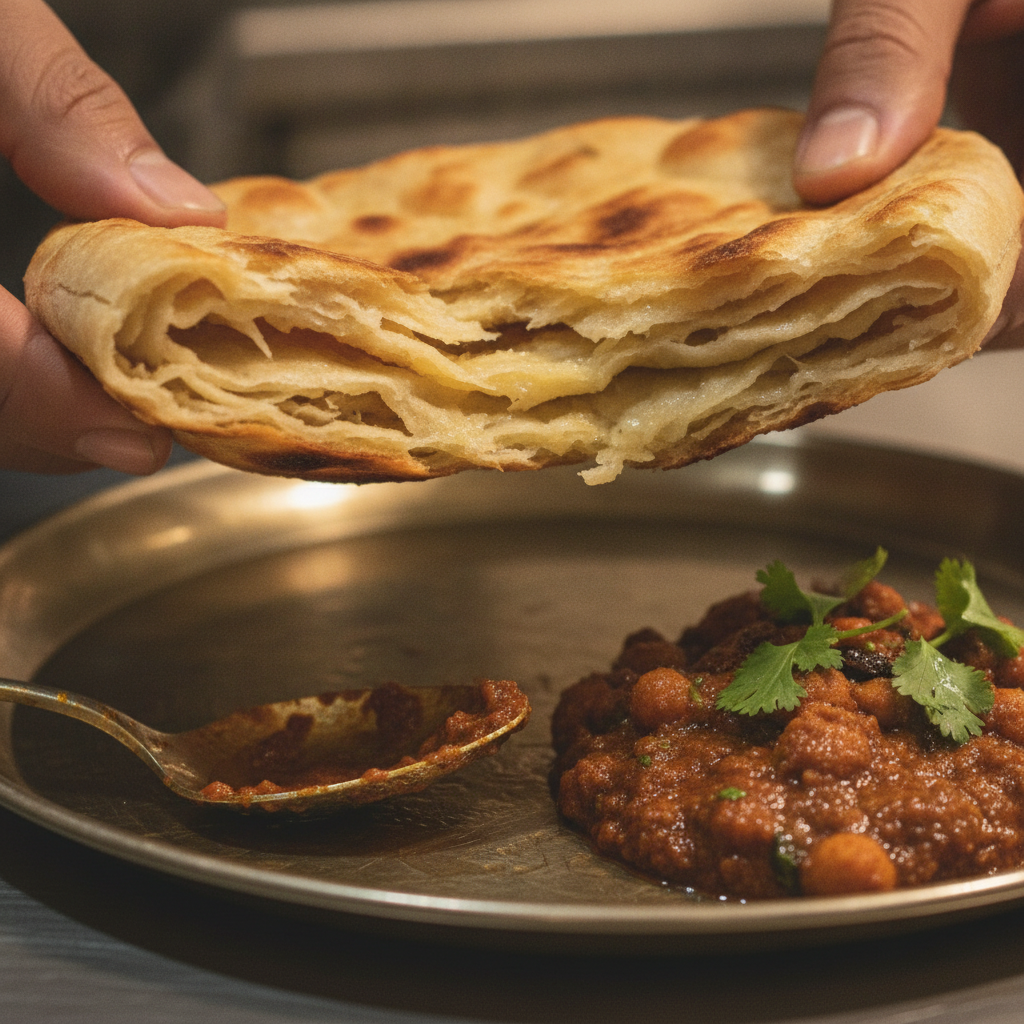
It’s a Punjabi street-food icon: tangy, spiced chickpea curry with a soft, blistered kulcha. The chole’s clingy gravy comes from slow simmering and a tang-forward masala; the kulcha’s flaky interior and charred spots come from high-heat baking and a butter or ghee finish for aroma and sheen.
Three anchors define the “Amritsari” profile: the tang, the masala, and the bread. The tang often comes from amchur (dried mango) or anardana (pomegranate seed). The masala leans warm, not harsh—think cumin, coriander, black cardamom. The bread is leavened for tenderness and baked hot for scattered blisters.
- Chole: Hydrated chickpeas simmered with onion, ginger, garlic, tomatoes, and a tang-forward spice base until thick and glossy.
- Kulcha: A yogurt- or milk-enriched dough rolled and baked at high heat, then brushed with butter or desi ghee.
- Finish: Sliced onions, lemon wedge, fresh cilantro, and optional green chiles for a clean, bright bite.
For context on pairing and tradition, see this practical overview of kulcha with chickpeas (Amritsari kulcha with chana guide). It’s a helpful backdrop if you’re new to the dish and want a second perspective on textures and service.
Curious to explore adjacent styles? Browse our broader cuisine collection to compare chole-kulcha with chaat, tandoori specialties, and signature curries we prepare fresh every day.
Why Amritsari Chole Kulche Matters
Chole kulche matters because it anchors Punjabi culinary identity while delivering a balanced, vegetarian-friendly meal. It’s versatile, shareable, and customizable. In Brampton, it brings people together—families, students, and friends—over plates of warm kulcha and tangy chole that feel nostalgic yet fresh.
Here’s why our guests choose it so often for lunch and dinner:
- Cultural continuity: The flavors reflect Punjab’s carts and home kitchens; the ritual of onions, lemon, and chutney ties modern dining back to tradition.
- Nutrition in comfort: A cup of cooked chickpeas generally offers around 14–15 grams of protein and meaningful fiber, supporting satiety without heaviness.
- Everyday flexibility: You can tune heat with green chiles, adjust tang with tamarind, and pick kulcha styles (plain or stuffed) to fit your hunger.
Street-food culture thrives on fast service, bold aroma, and crowd-pleasing texture. For an accessible cultural overview of North Indian street flavors, this primer on regional classics provides helpful context (North Indian street food culture).
We see steady patterns in Brampton: families often share two kulchas per plate to pace kids’ appetites; students lean toward heartier options with extra tang; weekday lunch-goers finish within about 30–40 minutes if they pair simply (one kulcha, one chole, one lassi). The result is a meal that flexes with schedules and tastes.
How Amritsari Chole Kulche Works
Time, temperature, and technique do the heavy lifting. We soak chickpeas for even cooking, slow-simmer to creamy centers, bloom spices to unlock aroma, and bake kulcha at high heat for blisters. The final brush of butter or ghee ties tang, warmth, and richness into one balanced bite.
In our kitchen, we keep a consistent, testable process. These steps map the flow from dry chickpeas to the platter on your table.
| Step | What Happens | Why It Matters |
|---|---|---|
| 1. Soak (8–12 hrs) | Chickpeas hydrate evenly | Ensures tender centers and uniform cooking |
| 2. Simmer (45–60 min) | Low-and-slow with aromatics | Builds body; starches gel for a clingy gravy |
| 3. Bloom spices (1–2 min) | Masala toasts in hot fat | Releases essential oils; intensifies aroma |
| 4. Marry (10–15 min) | Chole meets masala base | Reduces water; glaze develops on chickpeas |
| 5. Dough rest (30–60 min) | Leaven with yogurt/milk | Relaxes gluten for a soft crumb |
| 6. Bake (high heat) | Blisters and char spots form | Texture contrast; smoky hints for depth |
| 7. Finish | Butter/ghee brushed on top | Silky mouthfeel and sheen; aroma blooms |
| 8. Serve | Onions, lemon, chutneys added | Brightness, crunch, and heat control |
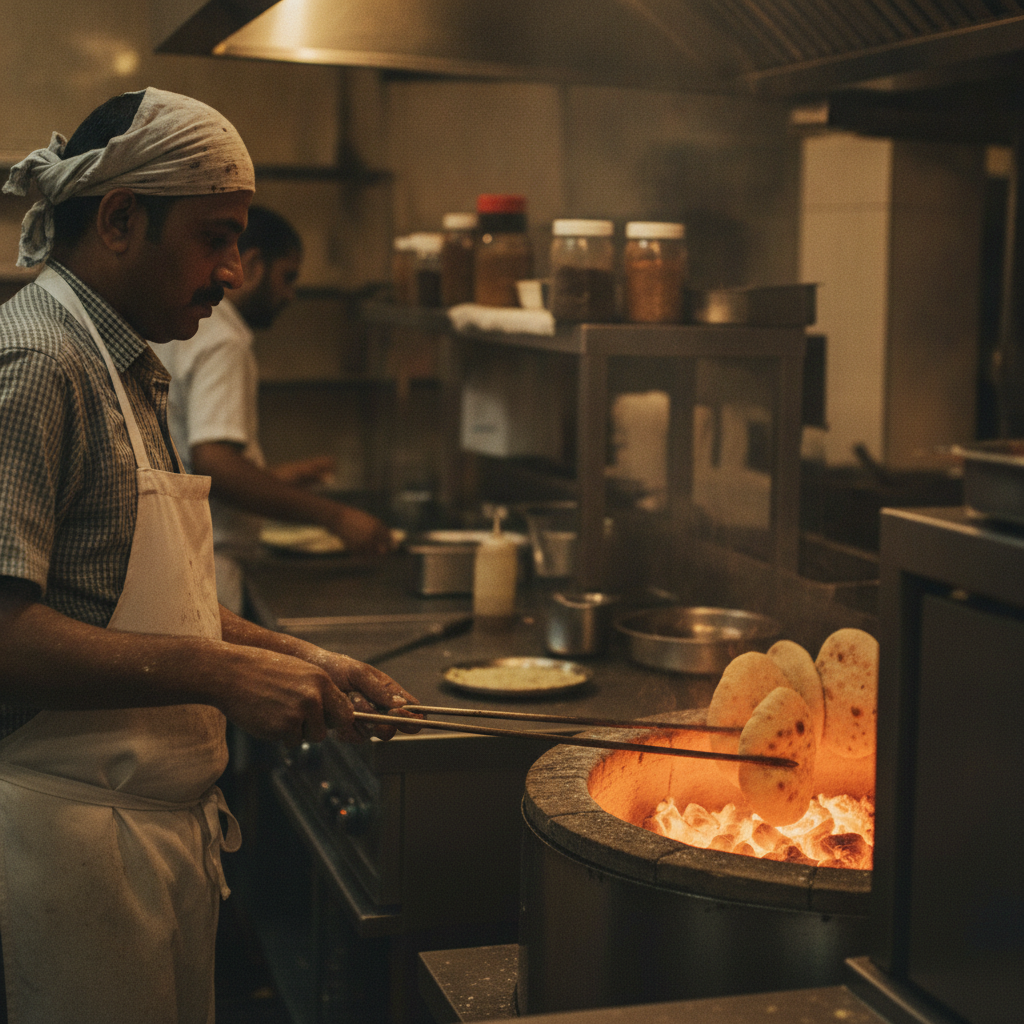
In traditional clay tandoors, peak wall temperatures can run several hundred degrees Fahrenheit, creating those distinctive scattered blisters in seconds. While ovens vary, a strong, even heat is non-negotiable for proper lift and color. On the chole side, a final 5-minute simmer after adding the spice base helps the gravy tighten to the right cling.
Types/Methods/Approaches
Amritsari kulcha comes plain or stuffed—aloo, pyaaz, paneer, mixed, and desi ghee–finished. Chole ranges from tang-forward to smoky-spiced. For richness, choose ghee-brushed or stuffed; for dipping, go plain. Add a lassi to reset the palate and keep spice levels comfortable.
Popular kulcha styles
- Plain kulcha: Soft, blistered, perfect for scooping saucy, clingy chole.
- Aloo kulcha: Comforting potato filling; herbs and green chiles add lift.
- Pyaaz kulcha: Sweet-savory onion bite; great with extra lemon on the side.
- Paneer kulcha: Mild protein lift; the curds stay tender under high heat.
- Desi ghee kulcha: Nutty, aromatic gloss; a little goes a long way.
- Nutri kulcha: A hearty twist many regulars reach for on busy days.
Chole flavor profiles
- Tangy: An extra touch of amchur/anardana brightens without overwhelming heat.
- Smoky-spiced: Black cardamom and toasted cumin add warmth and depth.
- Green heat: Fresh green chiles bring a clean, direct spice you can tune plate-side.
Prefer a cool finish? A lassi resets the palate in a few sips. If you like aromatic spice, our team’s mango lassi guide and this sweet lassi deep-dive compare styles so you can match sweetness and thickness to your meal.
If you’re mapping the wider family of chickpea-and-bread classics, this overview of a sister dish offers helpful comparisons (chole bhature complete guide), from dough differences to serving rituals.
Best Practices: Ordering, Pairing, Reheating
Order for balance: mix one stuffed kulcha with one plain; keep chutneys on the side for heat/tang control; pair with a cooling lassi. Reheat kulcha on a hot skillet for 1–2 minutes per side, then a brief covered steam to restore a soft center without sacrificing crisp edges.
Here are the practical moves we see work, plate after plate in Brampton:
- Build balance: Combine richness (desi ghee or stuffed kulcha) with a plain kulcha for dipping and pacing.
- Control tang and heat: Ask for chutneys on the side and squeeze lemon in small passes—your tongue calibrates within 2–3 bites.
- Use the onion crunch: A few slices add texture; a tiny salt pinch amplifies sweetness in seconds.
- Keep timing in mind: A focused lunch set (chole + one kulcha + lassi) typically fits into a 30–40 minute window.
- Share smarter: For groups of four, two stuffed and two plain kulchas usually hit the sweet spot without overloading.
Local considerations for 27 main st N
- Pre-book during weekend rush near Gage Park to avoid waits and secure family seating.
- On chilly Brampton evenings, add masala lassi or a hot starter to stay warm while you savor tangy chole.
- If you’re meeting near Brampton Library, allow a small buffer for parking and enjoy a relaxed walk over.
Reheating tips at home
- Skillet revive: Hot pan, 1–2 minutes per side; cover for 20–30 seconds to steam the interior.
- Oven crisp: Brief high-heat blast restores blisters; tent loosely to avoid drying.
- Microwave caution: Use a damp towel to retain moisture; finish with a quick pan sear for texture.
- Chole tune-up: As chole rests, it thickens. Add a splash of hot water and a final dusting of garam masala; simmer 2–3 minutes.
If you’re planning a fuller Punjabi meal, this overview of our Punjabi curry favorites explains how creamy, tomato-forward, and smoky gravies behave alongside chole and kulcha, so you can build variety without clashing flavors.
Soft CTA: Ready to experience chole kulche the Amritsari way? Plan ahead for groups and special occasions. Our team is happy to suggest pairings for first-timers and regulars alike. Reserve your table with Taste of Amritsar and we’ll tune heat, tang, and richness to your preference.
Tools and Resources
You don’t need fancy gear—just smart condiments and planning. Keep a chutney trio for heat and tang control, add sliced onions and lemon for crunch and brightness, and consider a quick table booking during peak hours so your meal flows without rush.
- Chutney trio: Mint-cilantro (cooling), tamarind (tangy-sweet), and green chile (sharp heat) let you dial in flavor in seconds.
- Onion-lemon ritual: A squeeze of lemon plus a few onion slices resets your palate between bites.
- Smart pacing: Add a starter to slow things down; skip it if you’re on a 30-minute clock.
- Ask the kitchen: Our team steers you toward tangier or warmer spice profiles based on what you love.
Curious how our kitchen thinks about balance across courses? Meet the people who set those standards on our chef page—it’s a quick way to learn how we approach texture, heat, and tang for Punjabi comfort food that still feels bright.
Case Studies and Examples
Thousands of plates reveal patterns. Families favor one stuffed and one plain kulcha per two diners; students choose nutri options with extra tang; lunch regulars keep it simple with chole, one kulcha, and a lassi. These mini case studies show how small tweaks personalize every meal.
Family night, shareable style
- Start with paneer tikka for protein and char; add street-style chaat for crunch.
- Order aloo pyaaz plus plain kulcha to cover hearty and light scooping in one go.
- Finish with sweet lassi for a mellow, kid-friendly endnote.
After-class comfort for students
- Go protein-forward with nutri kulcha and a tang-rich chole.
- Add tandoori chaap if you like smoky, chewy contrast.
- Pick masala lassi for spice-lovers; sweet lassi if you prefer calm and creamy.
Solo lunch, 30–40 minutes
- Plain kulcha + chole for speed; ask for chutneys on the side.
- Use onion and lemon to brighten between bites without ordering extra sides.
- Grab a sweet lassi to-go so the finish stays refreshing on the move.
Want more ideas? Skim recent stories in our blog library—we document pairings and service tips so your next visit feels both familiar and new.
Key Takeaways
Chole kulche shines when chole is tangy and clingy, kulcha is blistered and soft inside, and sides stay adjustable. Mix stuffed and plain kulcha, manage heat with chutneys, and pair with lassi. For busy days, keep lunch focused and finish in 30–40 minutes without sacrificing depth.
- Balance richness (stuffed or ghee-brushed) with a plain kulcha for scooping.
- Tune tang and heat plate-side with lemon and chutneys.
- Use onions for crunch; a pinch of salt enhances their sweetness.
- Reheat kulcha hot-and-quick; give chole a short, final simmer.
- Plan ahead for groups near Gage Park and Brampton Library on busy evenings.
Frequently Asked Questions
Most questions focus on authenticity, spice level, and reheating. The Amritsari profile is tang-forward with layered warmth; heat is adjustable; and the best reheating method is a hot skillet with a brief covered steam to keep the center soft while reviving crisp edges.
What makes Amritsari chole taste different?
A tang-forward masala—often using amchur or anardana—plus slow simmering for a clingy gravy and warm spice (cumin, coriander, cardamom). The goal is depth and balance, not raw heat, so every bite feels bright and rounded.
Is kulcha the same as naan?
They’re related but not identical. Kulcha is typically enriched with yogurt or milk and often stuffed or finished with ghee/butter. Naan tends to be chewier and is less likely to be stuffed in traditional service.
How spicy is the dish?
Heat is adjustable. The base profile is warmly spiced, not fiery. You can nudge heat up with green chiles and a hot chutney—or keep it mellow with cooling mint and sweet lassi.
What should I pair with chole kulche?
A lassi balances tang and spice quickly. For variety, add paneer tikka or tandoori chaap; if you love crunch and brightness, include a street-style chaat. Dessert-style lassis work as a sweet finish.
Conclusion and Next Steps
Amritsari chole kulche rewards attention to contrast: clingy, tangy chole and a blistered-yet-soft kulcha. Order for balance, tune heat and tang plate-side, and pair with lassi. Ready to try it in Brampton? Book ahead for groups and let us tailor the plate to your preferences.
- Choose your kulcha: plain, aloo, pyaaz, paneer, or desi ghee.
- Set your heat and tang levels with the chutney trio and lemon.
- Add a starter and a lassi to round out texture and temperature.
Where to Go Next
Explore beyond one plate: tandoori specials for smoke and char, signature curries for deep comfort, and chaat for crunch. These categories play well with chole kulche, turning a simple meal into a small feast that still finishes on time.
From first-timers to loyal regulars, the path is simple: explore the menu, plan a table for your group, and lean on our team for pairing tips. For seasonal inspirations and new pairings, check our main blog hub—it’s where we share what’s fresh from the tandoor and what to sip next.


Leave A Comment