







Ask these 7 questions before you try Afghani chaap
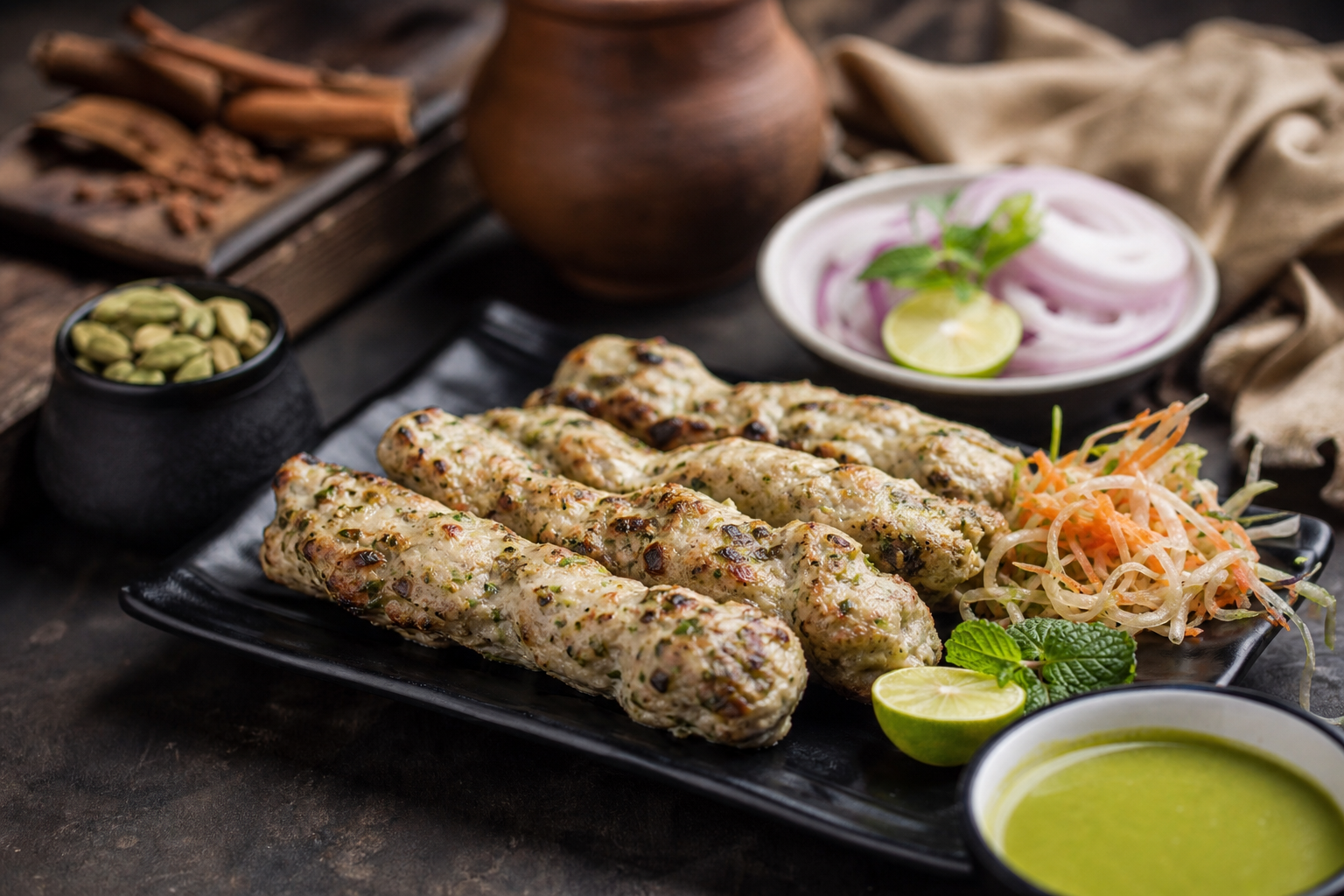
Afghani chaap is a creamy, malai-style Punjabi starter that can be made from soya mock-meat or from animal protein, depending on the kitchen. Preparation, texture, and heat vary widely, so asking a few clear questions before you order reduces the chance of disappointment. Below are seven focused checks you can use at any restaurant, including Taste of Amritsar in Brampton, to confirm what you will get and whether it fits your diet and expectations.
Why this matters: Afghani chaap often reads as a milder, creamier option compared with achari or heavily spiced styles. Restaurants use different bases and techniques that change flavour and doneness. For an example description of the malai profile, see an industry writeup on Afghani chaap.
Local note: Taste of Amritsar lists Afghani chaap on its menu and highlights authentic Punjabi preparations and imported masalas on the restaurant website. For basic details like the menu or contacting the kitchen, check the restaurant menu or contact page.
1. Is this Afghani chaap vegetarian (soya) or meat-based
Why this matters. Chaap can be prepared with soya-based mock meat or with animal protein. The taste, texture, marination time, and recommended pairings differ. If you require vegetarian food for dietary or religious reasons, confirm the protein base explicitly.
How to ask and what to expect
- Ask: “Is your Afghani chaap prepared with soya chaap or with meat?”
- Acceptable answer: “Soya chaap” or “chicken/mutton chaap” with a clear confirmation of vegetarian status.
- Red flag: a vague reply such as simply “chaap” without clarifying soya or meat.
Cite: Taste of Amritsar lists Afghani chaap among menu offerings, so the kitchen should be able to confirm the preparation on request.
2. Is the preparation Afghani malai style or a different chaap recipe
Why this matters. Afghani chaap is commonly malai-style, creamy and less fiery than achari or smoky tandoori variants. If you expect a rich, mildly spiced gravy, confirm that the restaurant follows the malai tradition rather than a tangy or smoky recipe.
How to ask and what to expect
- Ask: “Is this Afghani chaap the malai, creamy style or is it prepared achari or smoky?”
- Acceptable answer: words like “malai”, “creamy”, or “mild” for the Afghani style.
- Red flag: the menu only says “chaap” with no style note, which increases the risk of a mismatch with your taste.
Industry context: a culinary description of Afghani malai chaap highlights a creamier finish, so check if the kitchen follows that profile before you order. For reference, see an industry writeup on Afghani chaap.
3. What spice level do you recommend and can it be adjusted

Why this matters. Kitchens vary in heat level. Afghani chaap usually leans mild, but some chefs add green chilies, chilli powder, or garam masala for warmth. Confirming adjustable spice prevents surprises and keeps the dish enjoyable for everyone at your table.
How to ask and what to expect
- Ask: “How spicy is your Afghani chaap by default and can you make it milder or hotter?”
- Acceptable answer: a clear scale such as mild, medium, hot, and a willingness to reduce chilies on request.
- Red flag: staff who say the recipe cannot be changed or give no clear heat description.
4. How is chaap checked for doneness and do you have quality controls
Why this matters. Both soya and meat-based chaap need correct marination and cooking. Undercooked chaap is a quality and safety issue. Ask how the kitchen verifies internal texture and what they do if a plate does not meet standards.
How to ask and what to expect
- Ask: “How do you check that the chaap is properly cooked? If it arrives undercooked, will you remake it?”
- Acceptable answer: mentions of routine checks, timers, tandoor or pan technique, and a willingness to remake an undercooked plate.
- Red flag: refusal to remake food or reports of repeated undercooked orders from other guests.
Local signal: review themes for restaurants sometimes include occasional food quality problems for certain items, so asking about quality control is a practical step. Use the restaurant contact page if you need follow up after a visit.
5. What size is a serving and is portion size consistent
Why this matters. Portion consistency affects whether Afghani chaap is an appetizer or a main for your party. Restaurants sometimes vary the number of pieces or the gravy quantity between orders, which matters when you plan to share plates.
How to ask and what to expect
- Ask: “How many pieces or what size is a serving of Afghani chaap? Is that typically enough for one person as a main or better as a starter?”
- Acceptable answer: a concrete description such as number of pieces, serving weight, or whether it is portioned as a starter or main.
- Red flag: evasive answers about size or known reports of inconsistent portions from other customers.
Tip: if you plan to share, ask the server to recommend whether to order one or two plates for your group, or consult the menu for portion notes.
6. What are typical wait times and is the dish commonly late or remade

Why this matters. Operational delays and inconsistent service affect dining enjoyment. Afghani chaap is often made to order which can add time. Confirm typical preparation and what the restaurant does if an order is delayed or incorrect.
How to ask and what to expect
- Ask: “How long should I expect Afghani chaap to take from order to table? If an order is late or incorrect, what is your policy?”
- Acceptable answer: an honest timeframe for made-to-order items and an offer to remedy late or incorrect dishes.
- Red flag: conflicting staff answers about opening hours, refusal to address late or wrong orders, or reported patterns of service inconsistency in recent reviews.
Local hours and business details can help you plan peak times. Taste of Amritsar publishes opening hours and contact options on the restaurant website, which you can use to confirm timing before you arrive.
7. What to pair it with and how to confirm locally before you order
Why this matters. Afghani chaap tends to be rich and creamy, so lighter sides and cooling drinks often make the best pairings. Asking staff for their usual recommendations reduces the risk of choosing sides that clash with the dish.
How to ask and what to expect
- Ask: “What do customers usually order with Afghani chaap? Do you recommend a kulcha, chole, or a lassi?”
- Recommended pairings: Amritsari kulcha, a light chole or chana dish, and a masala or sweet lassi to balance richness.
- Red flag: servers who cannot suggest sensible pairings or menu pages that lack accompaniment options.
For lighter, street-style starters and chaat that pair well with creamy mains, see the restaurant’s Indian chaat section.
Frequently asked questions
Is Afghani chaap at Taste of Amritsar vegetarian or made with meat by default
Answer: Menu items vary by kitchen. Taste of Amritsar lists Afghani chaap among its offerings. Ask the restaurant directly whether the dish on a given day is soya-based or meat-based before ordering. You can check the menu or contact the restaurant to confirm.
How spicy is Afghani chaap and can the kitchen prepare it milder
Answer: Afghani chaap typically leans toward a milder, malai profile, but kitchens add heat differently. Ask the server to describe the default spice level and whether they can prepare it milder or hotter to match your preference.
What are the best sides to order with Afghani chaap
Answer: Lighter, slightly acidic or cooling sides work best. Consider an Amritsari kulcha or a bowl of chole, and a masala or sweet lassi to balance the richness. For more light chaat-style options, review the restaurant’s Indian chaat section.
Can I get Afghani chaap for takeaway and how long does it stay good
Answer: Many restaurants offer chaap for takeaway, but cream-based dishes lose texture faster than dry tandoori plates. If ordering takeaway, ask how they recommend reheating and how long the chaap will keep at quality. Contact the restaurant to confirm takeaway readiness and packaging.
What are Taste of Amritsar’s hours and how can I confirm availability before I go
Answer: Taste of Amritsar publishes regular opening hours and contact options on its website, so call or check the menu online to confirm that Afghani chaap is available on the day you plan to visit.
Final step: want to confirm right now? View the full menu or call to check preparation and availability before you go. Visit the official website to see the menu and contact the team directly.
Key sources: the restaurant website and menu, and an industry description of Afghani malai chaap for context. For menu details see the menu, for light chaat options see Indian chaat, and to contact the restaurant see contact. For background on Afghani chaap style see an industry writeup.


Leave A Comment