




What to expect from an indian restaurant menu and how to order well
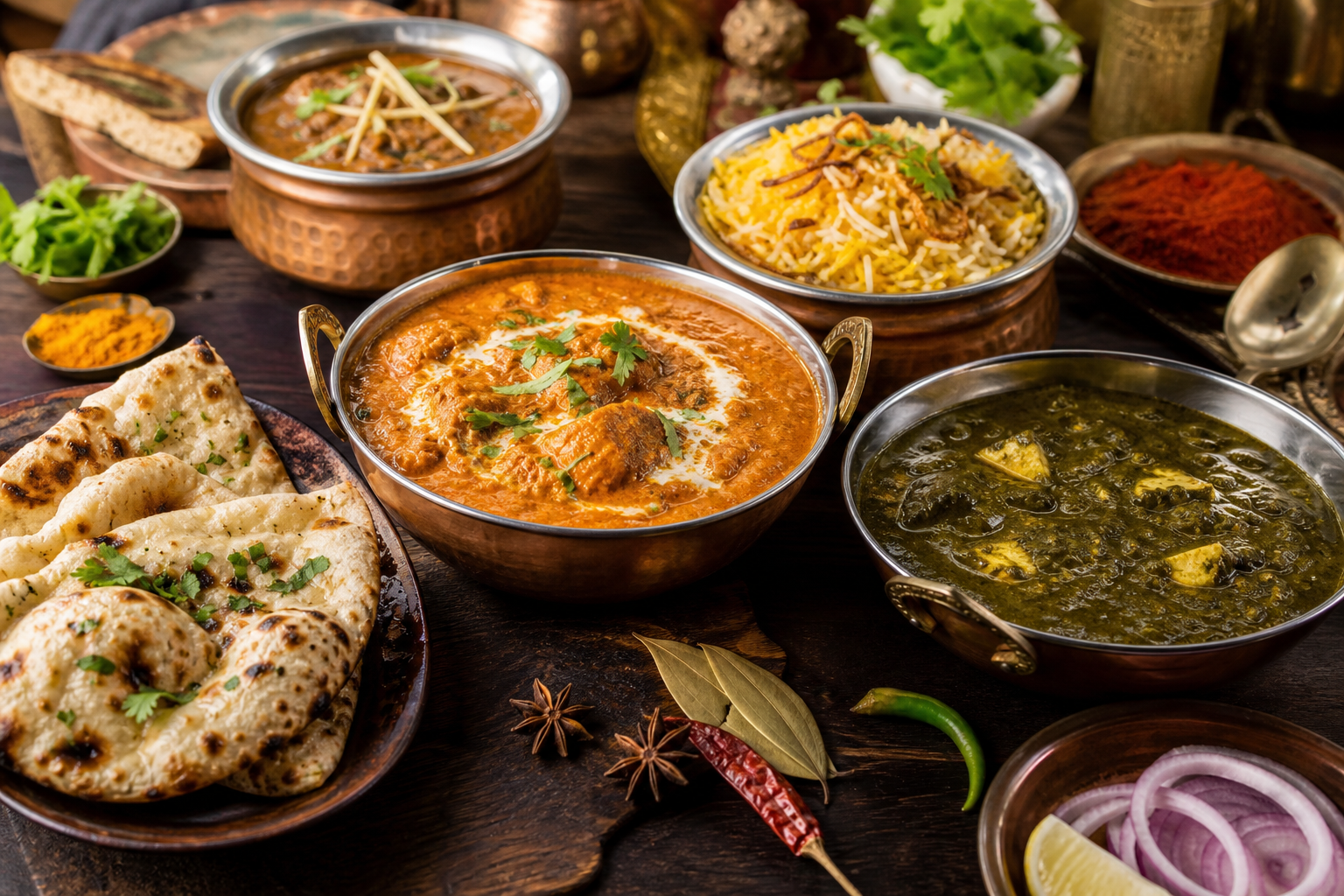
If you’ve ever opened an indian restaurant menu and felt spoiled for choice—or simply unsure where to begin—you’re not alone. Indian cuisine spans a huge range of styles, from smoky tandoor grills to rich, slow-simmered curries, crisp street-style chaats, comforting breads, cooling lassis, and celebratory desserts. This guide shows you how the menu is typically organized, what the major categories mean, and how to put together a meal you’ll genuinely enjoy—whether you love bold spices, prefer mild flavors, or need vegetarian-friendly picks.
How an indian restaurant menu is organized
While every restaurant presents its dishes a little differently, you’ll usually see a familiar flow. Understanding these sections makes ordering faster and more satisfying.
- Starters and chaats: Crisp, tangy, and often shareable bites that wake up the palate. Expect items like fritters, stuffed breads, or tangy street-food style snacks topped with chutneys and yogurt.
- Tandoor specials: Skewered proteins or paneer, marinated with spices and yogurt, cooked in a clay oven for a signature smoky char.
- Signature curries: Slow-cooked gravies built on onions, tomatoes, ginger, garlic, and spices. They range from creamy and mild to bold and robust.
- Breads and rice: The vehicles for savoring your curry—puffy, layered, or crisp breads from the griddle or tandoor, plus fragrant rice options.
- Regional specialties: Dishes tied to specific culinary traditions—for example, Punjabi and Amritsari favorites known for hearty flavors and satisfying textures.
- Drinks and lassis: Sweet or salted yogurt-based coolers, along with other refreshing beverages to balance spices.
- Desserts: Warm or chilled sweets that add a finishing touch—often dairy-forward and gently spiced.
Think of these categories as building blocks: pick a starter to share, choose a main or two, add a bread and/or rice, and round it out with a drink and dessert if you have room.
Choosing starters that set the tone
Starters are where you’ll find crunchy, tangy, and bright flavors that prepare your palate for richer mains. A few patterns to look for:
- Street-style chaats: These are layered snacks with a balance of textures—crispy base, tender legumes or potatoes, cool yogurt, sweet-tart tamarind, herby green chutney, and a pop of spice. Chaats are great to share and help you sample a spectrum of flavors quickly.
- Griddle and tandoor bites: Think paneer or other skewers with light char. A squeeze of lemon and pinch of chaat masala bring freshness.
- Stuffed or topped breads: Some menus feature stuffed breads as appetizers—potato-onion mixes or other fillings with a crisp exterior and soft interior, served with butter and chutneys.
Tips for starters:
- Balance richness: If you plan a creamy main, pick a tangy or crunchy starter to contrast.
- Mind portion sizes: Many starters are shareable—one or two can easily serve a small group.
- Ask for chutneys: Mint-cilantro and tamarind chutneys offer refreshing acidity and gentle sweetness.
Understanding mains, breads, and rice
Main courses usually fall into two families: tandoor-grilled items served hot and dry, and saucy gravies known as curries. Each plays a different role at the table, and both pair beautifully with breads and rice.
Tandoor specials:
- What to expect: A lightly charred crust; tender interior; aromatic spice marinades. These are typically served sizzling with onions and lemon.
- How to pair: Because tandoor items are dry by design, order a bread and at least one curry or raita (yogurt side) to complete the plate.
Signature curries:
- Creamy and mild: Tomato-butter bases or nut-enriched gravies, often smooth and lightly sweet.
- Onion-tomato masala gravies: Savory, slightly tangy, and spiced—these feel hearty and home-style.
- Spinach- or legume-forward gravies: Earthy, comforting, and often a touch milder in heat.
Breads to know:
- Tandoor breads: Char-marked flatbreads with a smoky edge—excellent at scooping up gravies.
- Griddle-finished options: Soft or layered breads, sometimes brushed with butter or ghee for richness.
- Stuffed variations: Filled with potato, onion, or other mixes—crisp outside, fluffy inside, and often served with butter, pickles, and chutneys.
Rice complements:
- Plain or cumin-scented rice: Neutral and aromatic, designed to let your curry’s flavors lead.
- Pilaf-style rice: Lightly spiced, with vegetables or nuts for texture and fragrance.
Ordering formula for a reliable plate:
- One curry + one bread per person (plus a shared rice) is a practical baseline.
- Add a tandoor item for texture contrast and a raita to soften any heat.
Spice levels and dietary choices
Spice in Indian cuisine is about aroma, warmth, and balance—not just heat. Most menus offer dishes that can suit a wide range of preferences.
- If you prefer mild: Choose creamy gravies, spinach-based dishes, or lightly spiced tandoor items; pair with cooling yogurt sides or a sweet lassi.
- If you enjoy medium heat: Onion-tomato masala curries deliver a flavorful kick without being overwhelming.
- If you want bold: Look for dishes that call out robust masalas or “chef’s specials” with layered spices—pair with plain rice to keep the focus on the gravy.
Vegetarian and plant-forward options are commonly featured. Legume curries, paneer-based dishes, and vegetable-studded gravies offer variety and substance. If you avoid dairy, ask which gravies rely on cream, yogurt, or ghee so you can choose alternatives that match your needs.
Smart ordering for groups
Indian meals shine when shared. A good group strategy ensures balance, avoids repetition, and keeps everyone happy.
For 2–3 diners:
- One starter or chaat to share.
- One tandoor item for texture and smokiness.
- Two curries with different profiles (for example, one creamy, one savory-masala).
- Two breads plus one rice.
- One raita or yogurt side to cool the palate.
For 4–6 diners:
- Two starters—choose one crisp/tangy chaat and one griddle/tandoor bite.
- Two tandoor items with contrasting marinades.
- Three curries: vary the base and body (creamy, tomato-onion, spinach/legume).
- Four breads plus two rice dishes; consider both plain and lightly spiced rice.
- Two cooling sides and a mix of drinks.
How to avoid overlap:
- Don’t double up on similar gravies—choose different textures and spice levels.
- Mix bread styles: a charred tandoor option with a stuffed or layered pick.
- Balance richness: pair buttery items with fresh chutneys or yogurt.
Classic pairings that work
Use these combinations to build plates with satisfying contrasts in texture, temperature, and flavor.
- Smoky tandoor + cooling yogurt: The char pairs beautifully with a creamy, herbed raita.
- Rich, buttery curry + plain rice: Keeps the focus on the gravy’s depth without overloading the palate.
- Stuffed bread + chutneys: Butter-brushed breads with tangy or herby chutneys deliver comfort and brightness in one bite.
- Masala-based curry + griddled bread: The soft chew of a griddled bread makes saucy masalas especially rewarding.
- Spice-forward mains + sweet lassi: A gentle, yogurt-based drink helps reset your palate between bites.
Desserts and drinks
Indian desserts often celebrate dairy, nuts, and warm spices. Expect comforting textures—creamy, syrupy, or softly set—rather than heavy sweetness alone. Drinks, especially lassis, complement the meal’s spices.
- Sweet lassi: Yogurt-based, creamy, and lightly sweet; excellent with spicier mains.
- Masala lassi: Yogurt with savory spice notes; a refreshing counterpoint to rich dishes.
- Warm desserts: Syrup-soaked or milk-simmered classics that feel celebratory and soothing.
Tip: If you’re full, order a drink first. A lassi or other cooler can be a satisfying finish on its own.
Glossary of common terms
Menus often include words that hint at preparation methods, spice profiles, or textures. Here’s a quick reference to speed up decisions.
- Tandoori: Cooked in a high-heat clay oven for charred edges and smoky aroma.
- Masala: A spice blend; can be dry-roasted or used in gravies for layered flavor.
- Paneer: A fresh, firm cheese that holds shape—great in skewers or curries.
- Chaat: A vibrant, layered snack with crunchy elements, chutneys, yogurt, and spice.
- Raita: Yogurt mixed with cucumber, herbs, or spices—cooling and refreshing.
- Ghee: Clarified butter with nutty richness, used for finishing or cooking.
- Kulcha and stuffed breads: Soft breads, sometimes stuffed and griddled or baked, often finished with butter and served with chutneys.
- Chaap and tikka: Skewered preparations; “tikka” typically refers to boneless pieces marinated and roasted.
- Bhature and chole: Puffy fried bread paired with a spiced chickpea curry—a beloved combo.
Putting it all together: sample meal paths
Use these templates as a starting point and adjust to your taste and dietary preferences.
Comfort-first and mild:
- Starter: A crisp, tangy chaat with yogurt and chutneys.
- Main: A creamy curry paired with a soft, butter-brushed bread.
- Sides: Cucumber raita and plain rice.
- Drink: Sweet lassi to finish.
Char and spice balance:
- Starter: Lightly charred skewers with lemon and chaat masala.
- Main: A savory onion-tomato masala curry.
- Sides: One tandoor bread and one pilaf-style rice; add a cooling yogurt.
- Drink: Masala lassi for a savory counterpoint.
Vegetarian and hearty:
- Starter: Street-style chaat with legumes for protein.
- Mains: A spinach-forward curry plus a paneer masala.
- Sides: Stuffed bread for indulgence, plain rice for balance.
- Drink: Your choice of lassi; dessert if you still have room.
Ordering checklist
- Pick one shareable starter with contrasting texture (crisp or tangy).
- Choose a main based on body: creamy, masala-savory, or spinach/legume.
- Add a tandoor item for smoky notes if you like char.
- Select at least one bread; add rice if you’re sharing curries.
- Include a cooling side (raita or yogurt) if you’re exploring spice.
- Finish with a lassi or dessert for a rounded experience.
FAQ
How spicy is Indian food, and can I ask for adjustments?
Spice level varies widely by dish. Many options are naturally mild, especially creamy gravies or spinach-based curries. If you’re heat-sensitive, request milder seasoning and pair with yogurt-based sides or a sweet lassi to keep things comfortable.
What should I order if I’ve never tried Indian cuisine?
Start with a chaat to sample bright, layered flavors, then pick one creamy curry and one savory masala curry for contrast. Add a bread and plain rice. Finish with a lassi to cool and cleanse the palate.
Are there good vegetarian choices on typical menus?
Yes. Legume curries, paneer-based dishes, and a range of vegetable gravies are common. If you avoid dairy, ask which dishes include cream, yogurt, or ghee and choose accordingly.
Should I choose bread or rice with my curry?
There’s no wrong answer—bread emphasizes texture and scooping, while rice lets the gravy’s flavors shine through. In groups, ordering both adds variety and helps balance the meal.
What drink pairs best with spicier dishes?
Yogurt-based drinks like sweet or masala lassi complement spices and provide a gentle cooling effect. They’re also satisfying if you want a lighter finish instead of dessert.


Leave A Comment