



A Practical Guide to Punjabi Food
Punjabi food is bold, comforting, and full of character. Built on wheat-based breads, pulse-rich curries, vibrant masalas, and time-honored techniques like slow bhunao and clay-oven tandoor cooking, it delivers deep flavor and satisfying textures in every course—from street-side snacks to celebratory feasts. This guide walks you through the foundations, signature dishes, how to order and pair a meal, and simple ways to bring Punjabi flavors into your own kitchen.
What is Punjabi food?
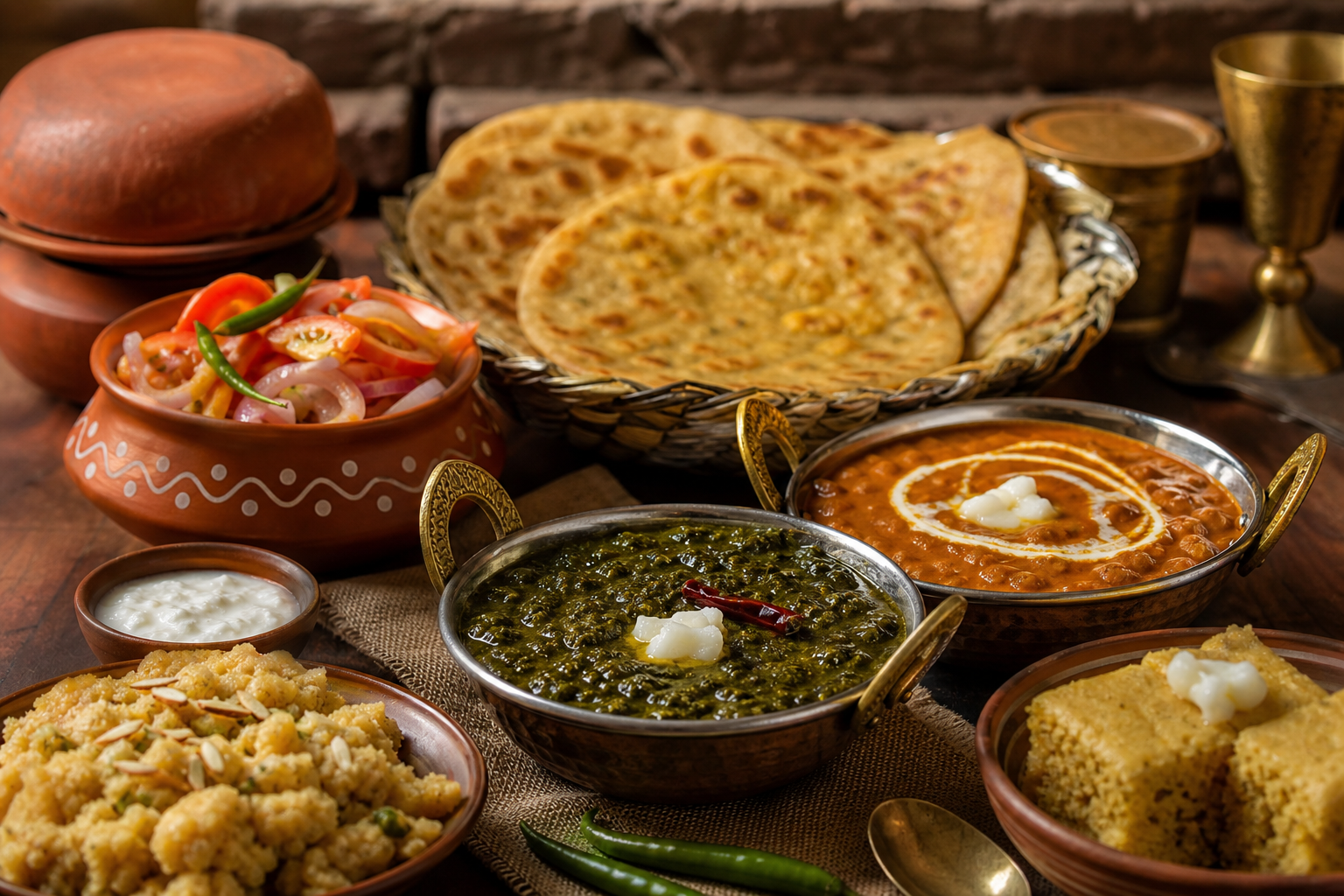
Originating from the Punjab region of the Indian subcontinent, Punjabi cuisine is known for generous use of warm spices, hearty legumes, fresh dairy, and a wide range of breads. Food culture emphasizes hospitality and shared plates: baskets of hot flatbreads, bowls of dals and gravies, refreshing salads, and cooling yogurt or lassi to round out the spice and richness.
- Flavor profile: savory, aromatic, often smoky or charred from the tandoor, with layered heat rather than one-note spice.
- Core building blocks: wheat (atta) for breads; lentils and chickpeas for dals and chole; seasonal vegetables; paneer; and fragrant spice blends (masalas).
- Everyday balance: a bread or rice, a dal and/or sabzi (vegetable), a curry, a tangy condiment (like pickles or chutney), and something cooling like raita or lassi.
Essential spices and pantry staples
Punjabi dishes rely on a core set of spices and aromatics, combined into base masalas and finished with whole-spice tempering for depth. While recipes vary by household, the following staples appear again and again.
- Whole spices: cumin seeds, coriander seeds, black peppercorns, cloves, green and black cardamom, cinnamon, bay leaves.
- Ground spices: turmeric, red chili powder, coriander powder, cumin powder, garam masala, amchur (dried mango) for tang.
- Aromatics: ginger, garlic, onions, green chilies; fresh cilantro and kasuri methi (dried fenugreek leaves) for finishing.
- Pulses and beans: chana (chickpeas), chana dal, urad dal (black gram), rajma (kidney beans), masoor (red lentils).
- Grains and flours: atta (whole-wheat flour) for rotis and parathas; maida (refined flour) for certain breads like kulcha; basmati rice as an occasional pairing.
- Dairy: ghee (clarified butter), makhan (white butter), dahi (yogurt), paneer (fresh cheese) for richness and balance.
- Accompaniments: lemon wedges, pickles, mint-cilantro chutney, tamarind chutney, sliced onions for crunch.
Imported masalas and authentic Indian spices are often sought after by Punjabi food lovers who want a “real Punjabi taste,” because spice quality and freshness can noticeably change a dish’s aroma and finish.
Breads and grains: the heart of the Punjabi table
Wheat-based breads are central. They function not just as sides but as tools to scoop up gravies and dals, adding warmth and chew to every bite.
- Roti/Phulka: everyday whole-wheat flatbread, soft and light.
- Paratha: layered and pan-fried; can be plain or stuffed (aloo paratha is a breakfast and dinner staple).
- Naan: leavened, typically tandoor-baked, fluffy with a slight chew.
- Kulcha: leavened bread often associated with Amritsari cuisine; commonly served stuffed—popular fillings include aloo (potato) and pyaaz (onion). Variations may be brushed with butter or ghee for a rich finish.
- Tandoori roti: rustic, whole-wheat flatbread slapped onto tandoor walls, giving smoky char and a hearty bite.
Rice is less dominant than breads in everyday Punjabi meals but appears with festive pulaos, biryanis, or as a neutral base for rich gravies.
Cooking techniques and the tandoor
Technique is as important as ingredients. A few methods define Punjabi cooking’s depth and texture:
- Bhunao: patiently sautéing onions, ginger-garlic, tomatoes, and spices until the masala reduces and releases oil. This step builds body and caramelized complexity.
- Tadka/Baghaar: tempering whole spices in hot ghee or oil to bloom aromas before finishing a dal or curry.
- Tandoor cooking: skewered meats, paneer, and breads baked in a clay oven for a smoky finish and characteristic char.
- Slow simmering: dals and hearty beans like chole or rajma benefit from low, steady cooking for a creamy texture.
Signature dishes to know
Punjabi menus are organized into familiar families of dishes. Here are widely loved categories and examples to help you recognize them at a glance.
- Traditional starters and chaats: street-inspired bites like samosas, papdi chaat, and tangy, crunchy plates layered with chutneys and yogurt.
- Tandoori specials: items marinated with spiced yogurt and roasted in the tandoor—think paneer tikka, malai tikka, or other skewered specialties with a smoky crust.
- Signature curries and gravies: creamy, tomato-forward or onion-forward bases perfumed with garam masala. Favorites include paneer-based gravies, dal makhani (slow-cooked urad dal), chole (spiced chickpeas), and rajma.
- Bread pairings: Amritsari kulcha (including aloo pyaaz kulcha and other fillings), tandoori roti, and naan selected to match the richness and texture of the curry.
- Street and festival plates: chole bhature (fluffy fried bread with chickpea curry) and mathi chole (crisp crackers with spiced chickpeas) are celebratory, indulgent choices.
Amritsari cuisine, in particular, is closely associated with stuffed kulchas, robust chole, bright chutneys, and a fondness for buttery finishes and tangy accompaniments.
Street food and snacks worth seeking
Punjab’s street fare is vibrant, quick, and layered with textures and temperatures. You can build a mini-meal from these bites.
- Chaat medleys: crisp bases (papdi, puri, or tikkis) topped with potatoes, chickpeas, yogurt, chutneys, and sev.
- Stuffed kulchas: hot off the griddle or tandoor, often served with chole and pickled onions.
- Paneer and chaap from the grill: tandoori paneer tikka and tandoori chaap (soya-based) bring smoky spice with a tender interior.
These snacks often balance spice with sweetness and tang, making them approachable even if you’re new to Punjabi flavors.
Sweets and drinks
Punjabi meals frequently end with a sweet note or a cooling drink. Lassi—a yogurt-based beverage—comes in multiple styles, and desserts span syrupy, nutty, and creamy profiles.
- Sweet lassi: thick, lightly sweet, sometimes perfumed with cardamom or rose.
- Masala lassi: salted and spiced with roasted cumin or chaat masala for a savory, refreshing sip alongside hot foods.
- Khoya- and ghee-forward desserts: rich sweets that pair nicely with tea or as a small finish after a hearty meal.
When a meal skews spicy or charred, a chilled lassi or kulfi-style dessert can provide a soothing counterpoint.
Building a balanced Punjabi meal
Think in components you can mix and match. Start with a centerpiece (a curry or chole), then add textures and temperatures around it.
- Main: choose one hearty item—dal makhani, chole, rajma, or a paneer curry.
- Bread: pick a bread to match the sauce weight—tandoori roti for rustic gravies, naan for creamy sauces, or a stuffed kulcha for a stand-alone experience.
- Fresh element: kachumber salad (chopped onions, tomatoes, cucumbers, lemon) or sliced onions and lemon wedges.
- Cooling component: raita or lassi (sweet or masala).
- Condiments: mint-cilantro chutney for brightness; mango or mixed pickles for tang.
For a group, multiply variety rather than portion size: two different gravies, a dal, mixed breads, and a couple of starters let everyone customize bites.
Ordering like a pro: pairings and spice comfort
Whether you’re dining in or ordering takeout, a few decisions elevate the experience.
- Balance richness: pair creamy gravies with charred breads like tandoori roti; choose fluffy or buttery breads when the curry is leaner or drier.
- Mind the heat: Punjabi food ranges from mild to fairly hot. If you’re spice-cautious, start with milder items such as paneer tikka (less chili-forward), dal makhani, or sweet lassi on the side.
- Textural contrast: include at least one crisp or grilled starter (like tandoori paneer) alongside softer curries and dals.
- Don’t skip chutneys: a spoon of mint chutney or a squeeze of lemon can refresh your palate between rich bites.
Tip: If you’re trying Amritsari kulcha for the first time, pair it with chole and sliced onions. The trio shows off classic Punjabi tang, heat, and buttery warmth in one plate.
Cooking Punjabi at home: an easy starting plan
You can capture Punjabi flavors at home by mastering a basic masala and a couple of breads. Here’s a simple, scalable approach.
Build a base masala
Cook finely chopped onions in oil or ghee until golden. Add ginger-garlic, then tomatoes and dry spices (turmeric, red chili, coriander, cumin). Sauté until the mixture thickens and releases oil. This is the backbone for many gravies—adjust with water or cream/yogurt as needed.
Practice one dal
Choose masoor or chana dal. Simmer until soft, season with your base masala, and finish with a tadka of cumin seeds sizzled in ghee plus a pinch of garam masala and kasuri methi.
Pick a bread
Start with whole-wheat rotis. Once comfortable, tackle stuffed parathas or a leavened bread like kulcha for special occasions.
Keep a finishing kit
- Acids: lemon/lime wedges, amchur.
- Herbs: cilantro, kasuri methi.
- Crunch: sliced onions, crushed roasted cumin, sev for chaats.
With these basics, you can improvise weeknight meals that still taste celebratory.
Checklist and quality cues
Use this quick list to evaluate or plan a Punjabi meal, whether you’re dining out or cooking at home.
- Spice integrity: aromas should be warm and layered, not harsh or flat.
- Texture balance: a mix of creamy (dal/curry), chewy (bread), crisp (starter/salad), and cooling (raita/lassi).
- Tandoor character: gentle char and smokiness without bitterness.
- Seasoning finish: a bright lift from herbs, lemon, or chutney to prevent palate fatigue.
- Temperature: breads served hot; chilled drinks or yogurt coolers alongside.
FAQs
What makes Amritsari cuisine distinct within Punjabi food?
Amritsari cuisine is closely associated with stuffed kulchas served with chole, vibrant chutneys, and buttery finishes. While it shares Punjabi foundations—hearty breads, rich legumes, and warm masalas—it is especially celebrated for its bread craft, tangy accompaniments, and street-style plates that feel both rustic and indulgent.
Is Punjabi food always very spicy?
No. While Punjabi food is flavorful and spice-forward, the heat level varies. Many dishes emphasize warmth and aroma over pure chili heat. If you prefer milder options, look to creamy dals, paneer gravies, or pair your meal with sweet lassi to balance the palate.
What’s the difference between kulcha and naan?
Both are leavened breads, but they differ in texture and usage. Naan is typically soft-chewy and versatile across North Indian cuisines. Kulcha—often linked with Amritsari traditions—commonly features stuffings such as aloo or onion and is paired with chole and tangy sides for a complete plate.
How do I choose breads to match my curry?
Use weight and texture as your guide: rustic, char-kissed tandoori roti pairs well with robust, onion-forward gravies; fluffy or buttery breads complement creamy or tomato-forward curries; stuffed kulcha can stand alone with chole as a centerpiece meal.
Are there good vegetarian choices in Punjabi cuisine?
Yes—many Punjabi staples are vegetarian. Dals, chole, rajma, paneer gravies, stuffed parathas, and tandoori paneer offer variety in protein, texture, and richness without relying on meat.


Leave A Comment