







tandoori grill: how it works, popular dishes, and ordering tips

tandoori grill: how it works, popular dishes, and ordering tips
A tandoori grill is synonymous with deep, smoky aroma, gentle char, and vibrant spice. Whether you’re planning your first North Indian meal or refining your go-to order, understanding how a tandoori setup works—and what to pair with it—can transform your dining experience. This overview covers the essentials: the oven itself, hallmark dishes, smart pairing moves, and a practical FAQ.
What is a tandoori grill?
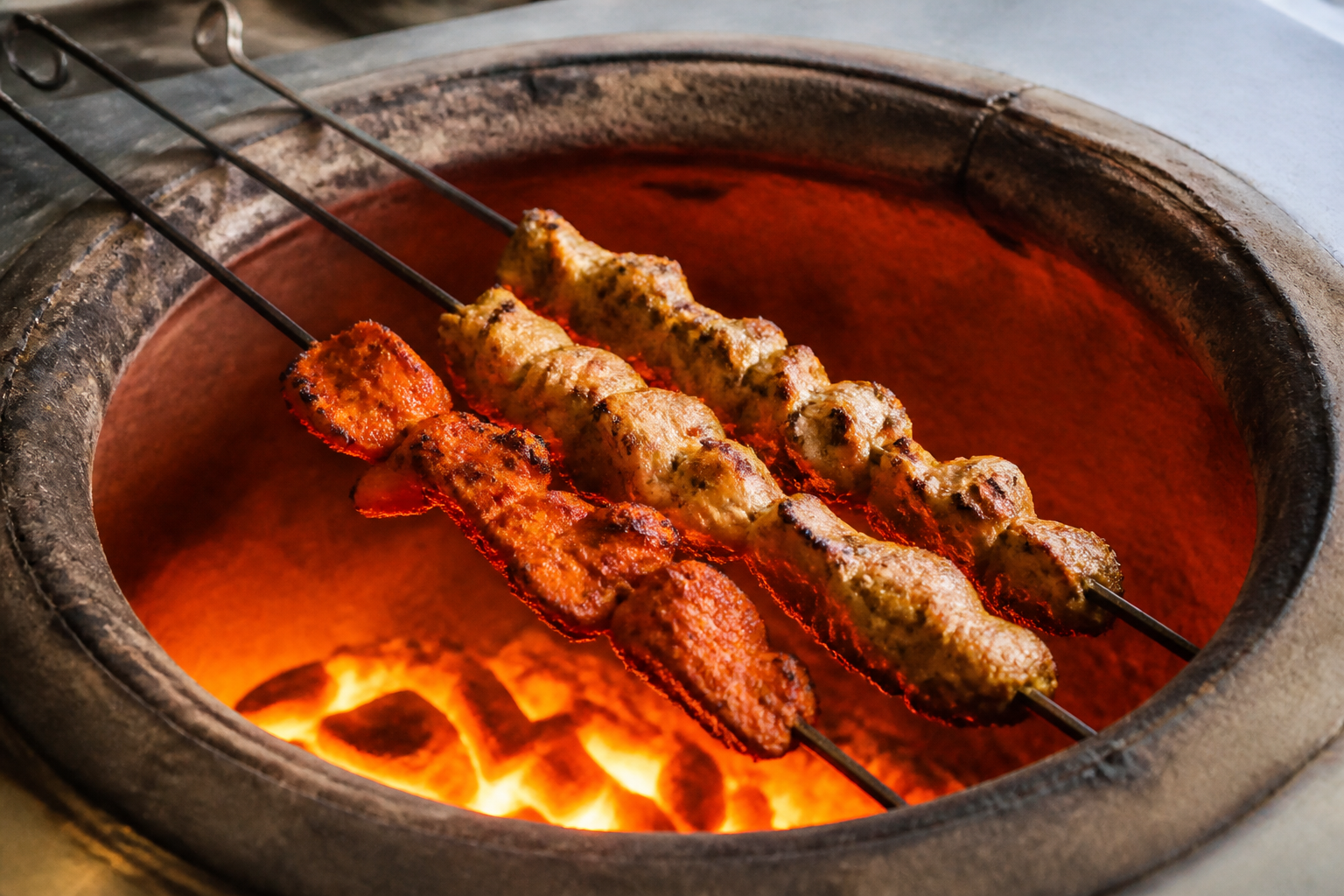
At its core, a tandoori grill refers to cooking in or over a super-heated chamber traditionally called a tandoor. Shaped like a tall clay or clay-lined cylinder, the tandoor concentrates high, enveloping heat. Skewered proteins and vegetables are lowered near the core, while dough is slapped against the hot inner wall to bake breads. Heat, smoke, and airflow work together to seal in juices, set marinades, and build a roasted exterior with light char.
Two things make tandoori cooking distinct:
- Intense, surrounding heat: The chamber radiates and convects heat from every side, helping food cook fast while staying moist.
- Contact with live fire and smoke: Drips from marinades and fats vaporize and kiss the food with a characteristic smoky note you can taste and smell.
While modern kitchens might use metal tandoors or specialized high-heat ovens, the goals remain the same: concentrated heat, quick roasting, and that unmistakable tandoori finish.
Signature tandoori dishes to know
Many North Indian favorites owe their flavor and texture to the tandoori grill. If you’re deciding what to try first, start with these classics and build out from there.
- Tandoori chicken: Bone-in or boneless chicken marinated with yogurt and bold spices, then roasted to a smoky, lightly charred finish.
- Chicken tikka: Boneless pieces skewered and roasted; often slightly tangier and quicker-cooking than bone-in cuts.
- Paneer tikka: Cubes of Indian cottage cheese marinated and skewered with onions and peppers; a vegetarian staple with a creamy bite and charred edges.
- Malai tikka: A milder, creamier profile (often with yogurt and gentle spices) for those who prefer subtle heat and a lush texture.
- Seekh kebab: Minced, spiced meat shaped around skewers and roasted until juicy within and gently crisped outside.
- Fish or shrimp tikka: Seafood takes especially well to quick, intense tandoor roasting, picking up smoke without losing tenderness.
- Naan and kulcha: Soft, leavened breads that puff in the tandoor. Kulchas can be plain or stuffed (such as potato-onion), offering a tender, slightly crisp exterior.
- Chaap (soya or paneer-based): A skewered, marinated vegetarian option with satisfying bite and a smoky edge.
These dishes often share a common approach: a marinade to tenderize and season, skewering for even roasting, and a finishing rest that lets juices settle before serving.
How marinades build flavor
Marinades do the heavy lifting before the tandoori grill does its magic. A few foundational elements appear again and again:
- Yogurt base: Gently tenderizes and helps spices cling.
- Spice blends: From warming cumin and coriander to chili and pepper, these define the profile—bold yet balanced.
- Acid and aromatics: Lemon, ginger, garlic, and herbs brighten and round out the experience.
Good marinades aim for depth without masking the core ingredient. On the grill, they caramelize, forming a savory crust while keeping the interior juicy.
Ordering and pairing tips
If you want a balanced tandoori meal, think in terms of contrast and flow. Here’s a reliable framework:
- Start with a tandoori appetizer: Choose a tikka or kebab to showcase the char and smoke. Pair with fresh salad and a squeeze of lemon to wake up the palate.
- Add a bread and a curry: A blistered tandoori roti or pillowy naan pairs well with a signature curry for sopping up sauces between bites of grilled items.
- Balance heat with cool sides: Raita (a yogurt-based side), sliced onions, and mint or tamarind chutney keep rich marinades feeling light.
- Finish with something refreshing: A sweet or salted lassi cleanses the palate and rounds out the spice.
This sequence lets you enjoy the texture of the grill, the comfort of a sauce, and the brightness of chutneys and yogurt without overwhelming the senses.
Vegetarian-friendly pathways
Tandoori cooking is especially friendly to vegetarian diners. Paneer tikka, chaap, and mixed vegetable skewers deliver the same smoky, caramelized exterior as meat-based dishes. Pair a vegetarian grill platter with dal or a mild curry and a bread of choice for a complete, satisfying spread. For variety, alternate bites of grilled vegetables with spoonfuls of lentils or chickpeas to layer textures and tastes.
Bread 101 for the tandoor
Tandoor-baked breads are more than sides—they’re essential tools for eating and balancing flavors:
- Tandoori roti: Rustic, whole-wheat, slightly chewy. Great with grilled proteins and hearty dals.
- Naan: Softer and airier; ideal for swooping through creamy or tomato-forward curries.
- Kulcha: Often softer than roti, with a delicate exterior. Plain or stuffed versions complement both mild and bold grills.
When sharing, order a mix—roti for structure, naan for softness, and kulcha for a special touch—so everyone can find a favorite texture.
Signs of authentic tandoori character
Even without peeking into the oven, you can spot tandoori personality on the plate:
- Light char and caramelization: Specks or ridges of browning without dryness.
- Juicy interior: Quick, high-heat roasting helps preserve moisture.
- Balanced spice: Depth from spices and aromatics, not just blunt heat.
- Aroma: A subtle smokiness that enhances, not overpowers, the main ingredient.
For breads, look for blistering, gentle browning, and a tender center that springs back when pressed.
Customizing heat without losing balance
If you prefer milder flavors, choose marinades known for creaminess or herbaceous notes. When ordering chutneys, ask for mint and yogurt-forward accompaniments to cool heat. If you enjoy bolder spice, combine a spicier tikka with tangy sides (lemon, raw onions, or tamarind) to keep flavors lifted and bright.
Sensible sides and sips
Thoughtful sides elevate the tandoori grill’s roasted profile:
- Raita: Calms spice and adds dairy-rich contrast.
- Onion salad with lemon: Crunch and acidity refresh the palate.
- Mint and tamarind chutneys: Herbal coolness and sweet-tart tang amplify the grill’s savory edges.
- Lassi (sweet or salted): A refreshing finish that pairs with both smoky appetizers and spiced mains.
Leftovers and reheating methods
To revive tandoori texture at home:
- Oven or toaster oven: Reheat on a rack or preheated tray so hot air surrounds the food, helping the exterior re-crisp.
- Skillet reheat: A lightly oiled, hot skillet can bring back charred edges on tikka or kebabs; flip occasionally.
- Breads: Warm briefly on a dry skillet or in a low oven wrapped in a clean towel to prevent drying.
Avoid microwaving bread for too long, which can turn it tough. If you do use a microwave for proteins, finish with a quick sear in a hot pan to restore a bit of crust.
Glossary of tandoori terms
- Tandoor: High-heat, clay or clay-lined oven used for roasting and baking.
- Tikka: Boneless, marinated pieces roasted on skewers.
- Kebab: Ground or whole cuts shaped or skewered and grilled/roasted.
- Raita: Yogurt-based side or condiment, often with cucumber or spices.
- Chutney: Condiment ranging from mint-herbaceous to tamarind-sweet-tart.
- Roti/naan/kulcha: Key tandoor-baked breads with distinct textures.
FAQ
Is a tandoori grill the same as a regular barbecue?
They’re related but not identical. A tandoor’s enclosed design concentrates heat and directs smoke differently than an open barbecue. Food cooks faster and more evenly on all sides, and breads can bake directly on the hot inner wall—something an open grill doesn’t replicate.
Is all tandoori food very spicy?
Not necessarily. The signature comes from smoke, char, and layered spices, which can be bold without heavy heat. Milder marinades (often creamy or herb-forward) and cooling sides like raita make it easy to tailor the experience.
What bread should I pick with grilled items?
Choose based on texture: tandoori roti for hearty chew and grain flavor, naan for softness, and kulcha for a tender, sometimes stuffed option. Mixing styles at the table keeps the meal interesting and suits different curries and grills.
How do chutneys change the experience?
Mint chutney adds cool, herbal lift; tamarind brings sweet-tart brightness. Both balance roasted depth, making each bite feel lighter and more nuanced.
What’s a good starter set for two people?
Begin with a shared tikka (chicken or paneer), add one curry, order two breads with different textures (for example, roti and naan), and finish with a lassi. You’ll get smoke, sauce, and refreshment in one sitting.
Further reading and exploration
If you’re exploring regional Indian menus and want another point of reference, see the menu at Village Curry Indian Restaurant in Richmond and Surrey for a sense of how different kitchens present their specialties.


Leave A Comment