




What Vegetarian Indian Food Should You Order in Brampton?
Choosing vegetarian Indian food in Brampton is easier when you decide what you want the meal to feel like first. For Punjabi and Amritsari dishes, choose among hearty chickpea or lentil dishes, paneer, smoky tandoori preparations, breads, chaats, and cooling drinks, then check the current ingredients and availability.
This guide focuses on practical dish selection. It will help you choose by flavour, texture, meal role, and dietary preference without treating every vegetarian-sounding dish as interchangeable.
The Main Vegetarian Indian Food Categories
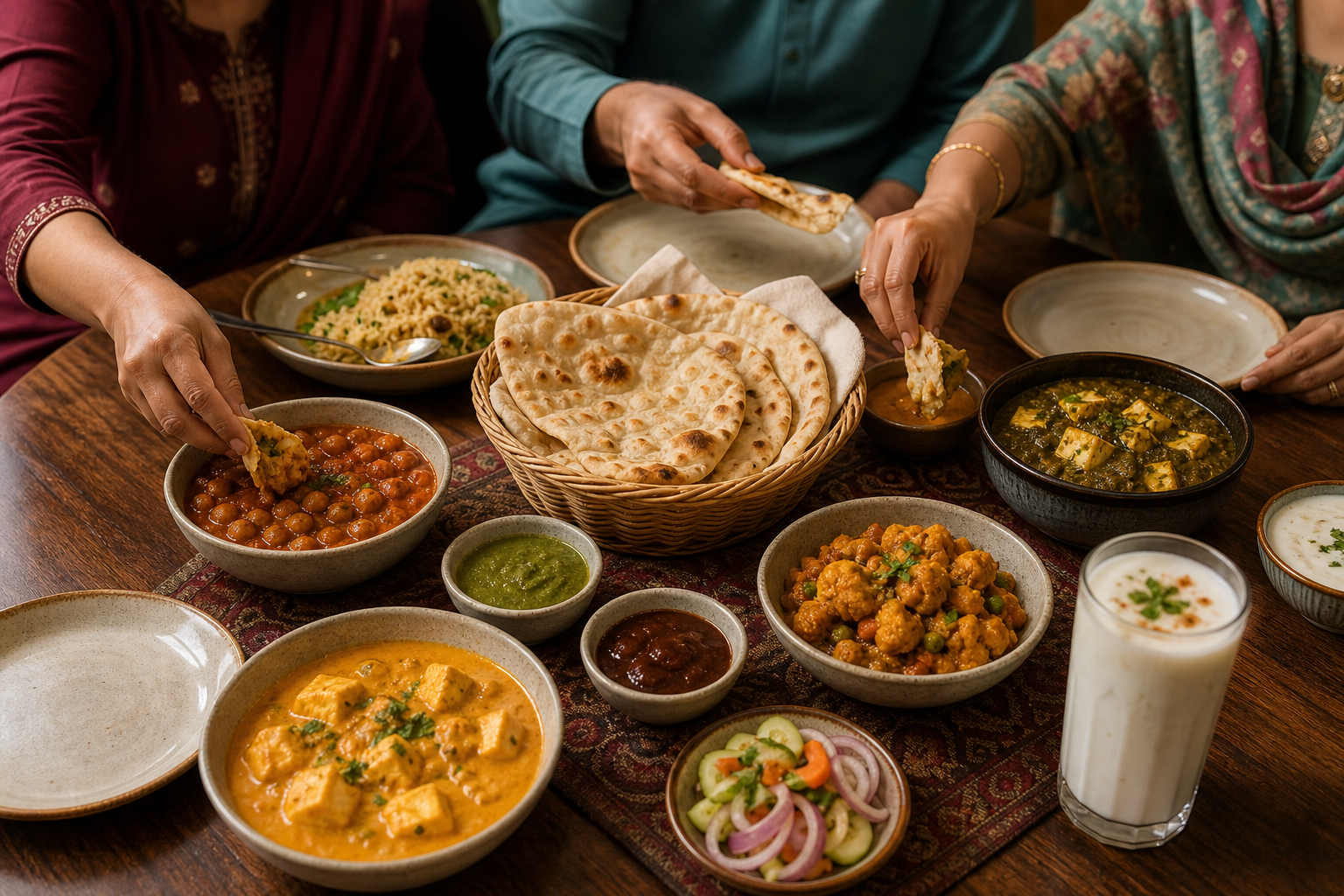
Vegetarian Indian dishes usually fall into several useful groups: paneer, lentils and chickpeas, vegetable gravies, tandoori preparations, breads and rice, chaats, drinks, and desserts. An Indian restaurant menu often arranges these categories by meal role, making it easier to combine a starter, main, accompaniment, and finishing drink or sweet.
| Category | What it adds | Choose it when you want | Details to check |
|---|---|---|---|
| Paneer dishes | Soft, substantial cheese with a mild base for spices | A filling vegetarian main or smoky starter | Dairy, cream, yogurt, nuts, and cooking fat |
| Lentils and chickpeas | Hearty legumes with earthy, spiced, or tangy flavours | Comfort food with gravy or a traditional bread pairing | Ghee, butter, cream, onion, garlic, and preparation method |
| Vegetable gravies | Cooked vegetables in a spiced sauce | A saucy meal with bread or rice | Vegetables, dairy, nuts, and spice level |
| Tandoori vegetarian dishes | Roasted flavour, char, and firmer texture | A smoky starter or a contrast to rich curries | Marinade ingredients, dairy, shared equipment, and availability |
| Breads and rice | A way to carry sauces and add texture | Completing a curry or chickpea dish | Wheat, gluten, ghee, butter, and preparation surfaces |
| Chaat | Crisp, tangy, sweet, spicy, and creamy contrasts | A lively starter or snack-style shared plate | Yogurt, chutneys, sev, nuts, onion, and toppings |
| Lassis and desserts | Coolness, sweetness, and a gentle finish | Balancing spice or ending a meal | Dairy, ghee, nuts, storage, and availability |
Paneer, lentils, chickpeas, and vegetables
Paneer is a fresh Indian cheese with a tender, slightly springy texture. It suits diners who want a substantial vegetarian centrepiece, whether it appears in a saucy curry or a tandoori preparation. Because paneer is dairy, it is vegetarian in the usual lacto-vegetarian sense but not vegan.
Lentil dishes tend to be soft, spoonable, and comforting. Chickpea dishes are often firmer and more robust, making them natural partners for breads such as kulcha or roti. Vegetable gravies vary widely: some are creamy, some tomato-forward, and others rely on dry spices and a thicker coating.
These categories answer the question, “What are some tasty Indian vegetable dishes?” A varied order usually works better than several dishes with the same sauce or texture.
Tandoori dishes, breads, chaats, and desserts
Tandoori cooking brings high heat, roasted aromas, and char. Vegetarian options may include paneer, vegetables, or other meat-free preparations, but the name alone does not identify every ingredient or cooking condition. Ask which vegetarian tandoori choices are available and whether the marinade contains yogurt, cream, or ghee.
Breads and rice are part of the meal’s structure, not merely extras. Bread makes a thick curry easier to eat, while rice gives a softer, more neutral base. Chaat adds contrast through chutneys, yogurt, crunch, and spice, so it often works best as a starter or shared plate.
Lassis and desserts provide a sweet or cooling finish. Indian sweets can contain dairy, ghee, nuts, and other ingredients, while storage needs vary by preparation. Ask about those details if you are ordering for someone with a dietary restriction.
Choose Vegetarian Indian Food by Flavour and Texture
The best vegetarian Indian curry depends on the experience you want, not on one universally superior dish. Choose by richness, heat, texture, and meal role, then ask which current dish fits that description.
If you want creamy and comforting
Choose a paneer or lentil direction with a smooth, substantial gravy. This suits a relaxed meal with bread or rice, particularly if you prefer rounded spice and a soft texture. Cream, yogurt, butter, or ghee may be part of the preparation, so ask about dairy before ordering if you avoid it.
If you want smoky and roasted
Choose a vegetarian tandoori preparation. Paneer tikka, tandoori paneer tikka, or tandoori chaap are useful menu examples to ask about, but do not assume that every named item is currently available or prepared to suit your dietary needs. Pair a smoky starter with a milder curry, bread, or cooling drink instead of ordering several heavily roasted dishes.
If you want tangy, crisp, and lively
Choose chaat or a street-food-style starter. Chaat often combines crisp elements with chutney, yogurt, herbs, spice, and sometimes onion or crunchy toppings. It adds energy to a shared meal, but several fried or tangy dishes together can make the order feel heavy.
If you want filling and traditional
Choose a chickpea or lentil dish with a Punjabi bread. Amritsari kulcha, aloo pyaaz kulcha, or chole bhature can be examples to ask about when you want a hearty meal. Check the ingredients, portion size, cooking fat, and current availability before choosing.
If you want a lighter contrast
Choose a vegetable-based dish, a tandoori starter, or a smaller shared plate with simple bread or rice. “Lighter” describes the balance of the order, not a guaranteed calorie or fat level. If nutrition content matters to you, ask about the preparation.
Punjabi dishes often build flavour through layered spices, aromatics, roasting, and slow cooking. For a clearer explanation of how spice choices contribute aroma, warmth, and depth, see this guide to Punjabi spices. Spice also means more than chilli heat, so ask whether a dish can be adjusted if diners at the table have different preferences.
Punjabi and Amritsari Vegetarian Food: What Makes the Meal Distinct
No single Indian culture is exclusively vegetarian. India contains many regional food traditions and dietary practices, while individual households and restaurants make different choices.
Punjabi and Amritsari vegetarian meals are often associated with hearty breads, chickpeas, robust masalas, tandoor cooking, shared plates, and lassi pairings. These features create a filling, bold meal, but a regional label does not guarantee that every dish is vegetarian or suitable for every dietary restriction.
Amritsari-style choices can feel substantial because breads, chickpeas, tandoori cooking, and bold accompaniments carry much of the meal. Punjabi vegetarian dining can still offer variety through paneer, lentils, vegetables, chaats, breads, drinks, and sweets. A regional ordering guide can help you distinguish Punjabi and Amritsari choices from food traditions elsewhere in India.
A South Indian thali is a set meal format from South Indian culinary traditions, usually served with several small portions such as rice, lentil preparations, vegetable sides, pickles, and other accompaniments. It differs from a Punjabi meal, which may be built around breads, chickpeas, curries, tandoori dishes, and shared plates. If you specifically want a South Indian thali, ask whether that format is available instead of assuming a Punjabi menu includes it.
Build a Balanced Vegetarian Indian Meal
A balanced order usually combines one main flavour direction with a contrasting starter, a bread or rice, and an optional drink or dessert. The formulas below help you plan without ordering several dishes that are equally rich, spicy, or soft.
For one diner
Choose one filling main such as a lentil, chickpea, vegetable, or paneer preparation. Add one bread or rice, then select either a small tandoori starter or tangy chaat if you want contrast. Finish with a lassi or dessert if you want a sweet or cooling element and its ingredients suit you.
For two diners
Choose two different main directions, such as one saucy curry and one smoky or dry dish. Add one shared bread or rice choice, then ask whether an Amritsari kulcha, paneer tikka, or chaat is available to provide a distinct texture. This gives both diners variety without filling the table with several creamy gravies.
For a family or mixed-preference group
Build the table in layers: a shared starter, one smoky option, one saucy vegetarian main, a bread, and a rice or other neutral accompaniment. Keep chutneys, pickles, and spicy toppings separate when possible. Ask about dairy, nuts, spice adjustments, and each diner’s preferences before ordering.
Named specialties such as chole bhature, tandoori chaap, paneer tikka, signature curries, masala lassi, and sweet lassi can help you describe the meal you want. Treat them as menu questions, not as a promise of availability, ingredients, or vegetarian preparation.
Vegetarian Does Not Automatically Mean Vegan or Allergy-Safe
Vegetarian usually means that a dish contains no meat, poultry, or fish, but it can still contain milk, paneer, yogurt, butter, cream, or ghee. Vegan dining excludes those animal-derived ingredients as well, so a vegetarian dish is not automatically vegan.
If you avoid dairy, ask specifically whether the dish contains cream, yogurt, paneer, butter, or ghee. For gluten-conscious dining, ask about wheat flour in breads, coatings, chaat toppings, and preparation surfaces. For nut allergies, ask about nuts in sauces, garnishes, desserts, and sweets.
Onion and garlic preferences also need a direct question because they are common flavour bases in many savoury preparations. Use this short question set for a highly specific dietary request:
- Is this dish vegetarian, and does it contain paneer, yogurt, cream, butter, or ghee?
- What are the main ingredients and cooking fat?
- Does it contain wheat, nuts, onion, or garlic?
- Can the kitchen adjust the spice level or leave out a topping?
- Is the dish prepared with shared equipment or near ingredients I need to avoid?
- Which alternative would better fit my dietary requirement?
Removing one topping does not necessarily change the ingredients or preparation of the whole dish. Sweets and desserts can also vary in dairy, ghee, nuts, storage, and preparation, so ask about those details before ordering them for someone with a strict restriction.
What to Confirm Before You Order in Brampton
Use this checklist before placing an order or visiting a restaurant. It focuses on the details that most affect your dish choice:
- Availability: Ask whether the dish you want is being served today.
- Ingredients: Confirm dairy, ghee, yogurt, nuts, wheat, onion, garlic, sauces, and toppings.
- Cooking method: Ask whether the item is fried, tandoori, grilled, slow-cooked, or prepared with shared equipment.
- Flavour and spice: Describe whether you want mild, bold, smoky, tangy, creamy, or hot, then ask what fits.
- Price and portion: Confirm the current price, serving size, and whether the item is individual or intended for sharing.
- Ordering format: Check whether your preferred dish is available for dine-in, takeaway, pickup, or another ordering method.
- Group timing: If several people are dining together, ask about seating, timing, and whether the restaurant can accommodate the group.
This approach is more reliable than choosing a dish because its name sounds vegetarian. It also gives staff enough information to suggest a better match for your taste and dietary needs.
Vegetarian Indian Food Questions Brampton Diners Still Ask
Which Indian dishes are commonly vegetarian?
Common vegetarian Indian choices include paneer dishes, lentil curries, chickpea dishes, vegetable gravies, tandoori paneer or vegetable preparations, breads, rice, chaats, lassis, and many sweets. Ingredients and preparation vary, so confirm the current dish before ordering.
Which Indian regions are associated with vegetarian food?
Vegetarian food appears across India, not within one single culture. Gujarati, Rajasthani, Jain, Punjabi, South Indian, and many other culinary traditions include important vegetarian dishes, although each region has its own ingredients, cooking methods, and dietary practices.
What are ten good vegetarian Indian dinner foods?
Useful choices include dal, chole, rajma, paneer curry, vegetable curry, aloo gobi, palak paneer, baingan bharta, vegetable biryani, and a thali-style combination. For a Punjabi or Amritsari meal, choose a few that provide contrast, such as one lentil or chickpea dish, one paneer or vegetable dish, bread, and a cooling drink.
What should I ask about vegan or allergy-sensitive vegetarian food?
Ask about dairy, paneer, yogurt, cream, butter, ghee, wheat, nuts, onion, garlic, sauces, shared equipment, and preparation near ingredients you need to avoid. Vegetarian status alone does not identify whether a dish fits your specific dietary requirement.
What is a good first vegetarian Indian order?
Start with one familiar main, one chickpea or lentil dish, a contrasting starter or chaat, and bread or rice. Choose different textures and flavour strengths so the meal does not become several equally rich or spicy dishes.
First decide whether you want smoky, creamy, tangy, hearty, or mild food. Then use Taste of Amritsar’s current menu to check the exact dish, ingredients, price, portion, and availability before planning your vegetarian Indian meal in Brampton.


Leave A Comment