




Samosa Chaat Platter: What to Expect and How to Order One in Brampton
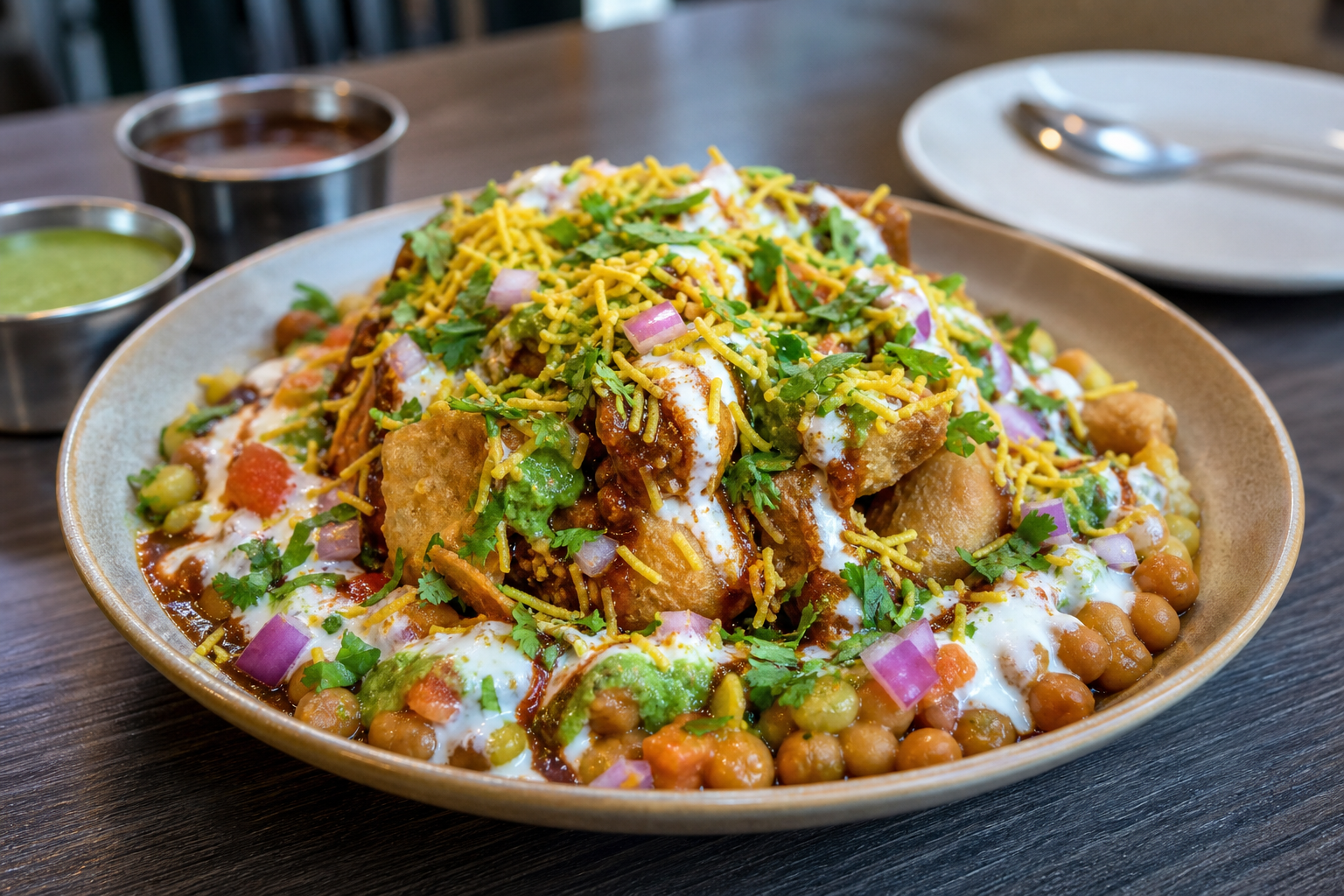
A samosa chaat platter is generally a larger, shareable presentation of samosa chaat rather than a single standardized dish. It typically combines crushed or broken samosa with chickpeas, yogurt, chutneys, spices, and crunchy toppings. Because restaurants may call it samosa chaat, samosa chana, or samosa chana chaat, the portion and presentation can vary.
For Brampton diners, the best order depends on your group, preferred heat level, desired texture, and how quickly the dish will be served. This guide explains what to expect, how to customize the balance, and what to confirm before ordering. It does not assume that every restaurant offers an item under the exact name “samosa chaat platter.”
What Is a Samosa Chaat Platter?
Samosa chaat starts with a samosa, usually broken into pieces and covered with soft chickpeas, chutneys, yogurt, and seasoning. The result combines the warm, savoury character of a samosa with the tangy, sweet, spicy, creamy, and crunchy contrasts associated with Indian chaat. A samosa chaat platter usually means that this combination is served in a larger format for sharing, although the exact meaning depends on the restaurant.
A standard serving may be intended for one person or a small snack. A platter may contain more than one samosa, a larger amount of chickpeas and toppings, or several portions arranged for a group. However, “platter” is not a universal serving-size guarantee, so it is worth asking before ordering for a family or gathering.
Some menus use “samosa chana” or “samosa chana chaat” instead. These names generally point to the same core idea: samosa paired with chickpeas and chaat toppings. The most useful comparison is not the label alone, but what is included, how much is served, and whether the ingredients are assembled together or kept separate.
The Core Components of Samosa Chaat

Each component has a specific job. A well-balanced platter should feel layered rather than dominated by one ingredient.
Samosa
The samosa provides the warm, savoury centre and the contrast between crisp pastry and a soft, spiced filling. Once it is crushed or broken into the chaat, some pastry absorbs chickpea gravy, yogurt, and chutney. That creates a softer bite, while the finishing toppings preserve some crunch.
Chickpeas
Chickpeas add substance and make the dish more filling than a light snack. Their soft texture also gives the toppings something hearty to cling to. If you are ordering for a meal, chickpeas and samosa create a more substantial combination than a platter built mainly around crisp toppings.
Yogurt
Yogurt adds coolness, creaminess, and mild tang. It can soften the effect of chili and balance the sharpness of tamarind or spice. Ask for more yogurt if your group prefers a gentler, creamier profile, but remember that too much can make the dish feel less crisp and less intensely seasoned.
Chutneys
Tamarind chutney usually contributes sweet-sour depth, while green chutney adds fresh, herby brightness and often some heat. More tamarind creates a sweeter, tangier plate, while more green chutney makes the flavour sharper and more aromatic.
Spices
Chaat seasoning brings sour, salty, spicy, and aromatic notes. It should support the samosa, chickpeas, chutneys, and yogurt rather than cover them. If you are sensitive to strong seasoning, ask whether the spice can be served lightly or added separately. A useful chaat spice mix should be added gradually because the dish may already contain salty, sour, and spicy ingredients.
Crunchy toppings
Sev, papdi, or another crisp topping supplies the texture that keeps chaat lively. These ingredients are most effective when added near serving time. If they sit under wet ingredients for too long, they soften and the platter loses one of its defining contrasts.
How to Choose the Right Flavor and Texture Balance
There is no single “correct” version of samosa chaat. The right order depends on what your group wants from the dish.
- Prefer mild heat: Ask for more yogurt, a lighter chili finish, and chutneys served in moderation.
- Want a bright, tangy plate: Choose a stronger tamarind and green chutney balance, then add spice carefully.
- Enjoy creamy textures: Request a generous yogurt layer, understanding that the pastry and toppings may soften sooner.
- Prioritize crunch: Ask whether sev or other crisp toppings can be added at the end or served separately.
- Need a filling meal: Look for a generous chickpea component and enough samosa to make the platter substantial.
- Want a lighter shared starter: Split a smaller portion and pair it with other dishes rather than treating it as the entire meal.
For a group with different preferences, sauces and crunchy toppings served separately can be more practical than one heavily dressed plate. This gives each person some control over sweetness, heat, and texture, if the restaurant allows that preparation.
Samosa Chaat Choices at a Glance
| Group preference | Useful ordering direction | Trade-off to expect |
|---|---|---|
| Mild and creamy | More yogurt and moderate chutney | Less sharpness and a softer texture |
| Sweet and tangy | More tamarind chutney | Less savoury emphasis |
| Fresh and spicy | More green chutney and a measured spice finish | More heat and stronger herbal notes |
| Extra crunchy | Request sev or crisp toppings at serving time | Crunch fades once mixed with wet ingredients |
| Hearty and shareable | Confirm sufficient samosa and chickpeas for the group | More filling than a snack-size serving |
How to Order a Platter for Sharing
A platter is useful when everyone wants to sample the same dish, but it is not automatically the best choice for every group. Before ordering, consider whether the chaat is a starter, a side, or the main part of the meal.
For families and friend groups, confirm how many people the portion is intended to serve rather than relying on the word “platter.” Ask how many samosas are included, whether chickpeas are part of the standard preparation, and whether the dish arrives fully dressed. If the menu does not specify a serving size, ask staff for a recommendation based on your group.
When ordering several dishes, a shared samosa chaat platter can provide a warm, hearty counterpoint to tandoori items, breads, or lighter starters. Avoid ordering more than your group can eat promptly because the pastry and crunchy toppings will soften as the platter sits.
Freshness Matters: Ask When the Chaat Is Assembled
Timing is one of the most important quality checks. Chaat is built around contrast, but crisp pastry, sev, and papdi gradually absorb moisture from chickpeas, yogurt, and chutneys. The dish is usually at its most texturally varied when assembled close to serving time.
Ask whether the chaat will be assembled to order or dressed in advance. For takeout, ask whether crunchy toppings and sauces can be packed separately. This does not guarantee that every restaurant offers that option, but it is a practical request when preserving texture matters.
If you are ordering for an event, timing becomes even more important. A chaat station or late assembly can protect crunch better than fully dressed portions prepared long before guests eat. For a delivered or transported platter, confirm the restaurant’s recommended serving timing rather than assuming it will remain crisp indefinitely.
A Brampton Ordering Checklist
Use these questions when ordering samosa chaat in Brampton, whether you are dining in, taking food away, or planning a shared meal:
- What is the menu name: samosa chaat, samosa chana, or another variation?
- Is the portion intended for one person or several people?
- How many samosas are included?
- Are chickpeas, yogurt, chutneys, spices, and crunchy toppings part of the standard preparation?
- Can the heat, chutney balance, or yogurt level be adjusted?
- Will the platter be assembled close to serving time?
- Can wet ingredients or crunchy toppings be packed separately?
- Are there ingredients your group needs to avoid? Ask directly about ingredients and preparation if allergies or dietary restrictions matter.
- Is the item currently available under the name you searched for?
Taste of Amritsar is located at 27 Main Street North in Brampton and presents itself as an Indian restaurant focused on Amritsari and Punjabi cuisine. The restaurant highlights street-style chaat, traditional recipes, imported masalas, and a homely dining experience. Confirm the current menu name, preparation, portion, and availability before ordering a specifically named samosa chaat platter.
What to Pair With Samosa Chaat
Lassi is a natural pairing when the chaat is spicy, tangy, or heavily seasoned. Its cool yogurt base and gentle sweetness can provide a soothing contrast between bites. Taste of Amritsar’s drink guidance describes sweet lassi as a complement to street-style chaats, tandoori flavours, and hearty Punjabi dishes.
Choose sweet lassi when you want the strongest cooling and gently sweet contrast. A less sweet or lightly spiced yogurt drink may suit diners who want to refresh the palate without adding much sweetness. If your group is sharing one platter, choose drinks according to spice tolerance rather than matching every person to the same flavour.
How Taste of Amritsar Fits the Search
Taste of Amritsar is a Brampton restaurant positioned around authentic Amritsari and Punjabi cuisine. The business emphasizes traditional recipes, authentic Indian spices, imported masalas, smoky tandoori flavours, and warm hospitality. Its published material also discusses street-style chaat and explains how chaat balances soft, crunchy, tangy, sweet, spicy, and cooling elements.
Those details make the restaurant relevant to diners searching for Punjabi or North Indian street food in Brampton. They do not confirm that a dish officially named “samosa chaat platter” is currently listed, nor do they establish a price, serving size, or customization policy. Check the current menu and ask the restaurant directly before making plans around that exact item.
Samosa Chaat Platter FAQ
Is a samosa chaat platter the same as samosa chana chaat?
They usually describe closely related preparations built around samosa and chickpeas, with yogurt, chutneys, spices, and crunchy toppings. “Platter” often suggests a larger or shareable portion, but naming and serving sizes vary. Confirm the ingredients and portion with the restaurant.
Is samosa chaat usually spicy?
It can be, but the heat depends on green chutney, chili, and chaat seasoning. Yogurt and sweet tamarind chutney can make the dish feel milder, while extra green chutney or spice creates a sharper, hotter flavour. Ask what can be adjusted before ordering.
How can I keep samosa chaat crisp for takeaway?
Ask whether the restaurant can pack chutneys, yogurt, and crunchy toppings separately. Add them shortly before eating. Even with careful packing, the samosa and chickpeas may soften over time, so serve the dish as soon as practical.
Is samosa chaat better as a shared starter or a full meal?
It works as either, depending on the portion and the rest of the order. A smaller serving can introduce the group to chaat, while a larger portion with sufficient samosa and chickpeas can be more filling. Confirm the serving size instead of assuming that “platter” means a complete meal.
Conclusion: Choose for Contrast, Freshness, and the Group
A good samosa chaat platter is less about one fixed recipe and more about balance. Warm samosa and hearty chickpeas provide substance, yogurt cools the palate, chutneys add sweet-tangy and herby contrast, spices bring aroma and heat, and crunchy toppings keep each bite lively.
For the best order, match the portion to your group, decide whether you prefer creamy or crunchy textures, ask about spice and chutney adjustments, and confirm when the dish will be assembled. In Brampton, diners considering Taste of Amritsar should review the current menu and contact details before assuming that a specifically named samosa chaat platter is available. Visit tasteofamritsar.com to check the restaurant’s current information before your visit.


Leave A Comment