





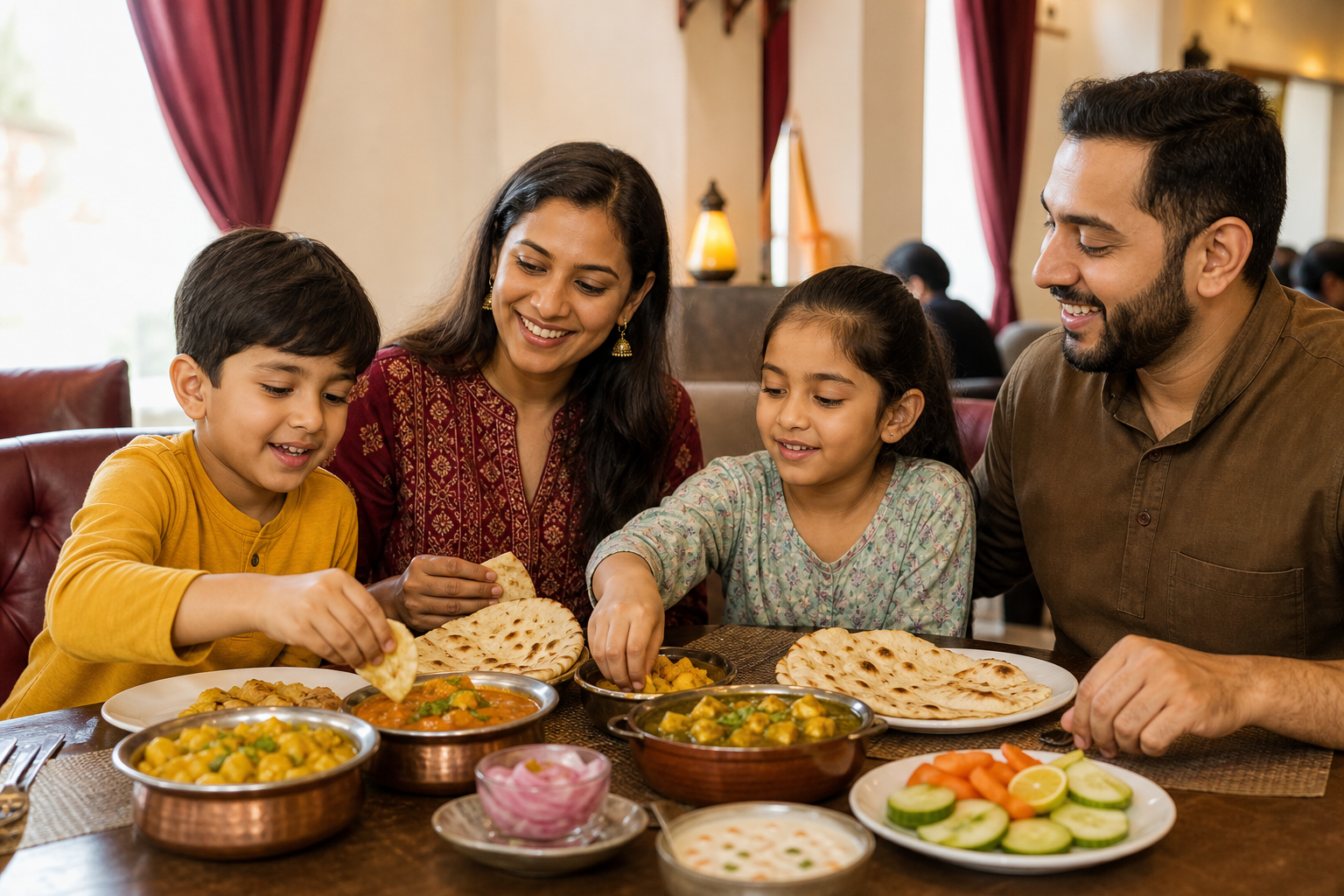
Indian Kids Meals Compared by Spice, Texture, and Taste
The best Indian kids meal for a child depends on spice tolerance, texture, appetite, and dietary needs. Start with a familiar bread, mild accompaniment, or vegetarian choice, then ask whether the dish can be prepared mildly. Confirm dairy, nuts, gluten, and preparation details before ordering.
Taste of Amritsar is a Brampton restaurant focused on Amritsari and Punjabi dishes, including tandoor items, curries, breads, chaats, lassis, and desserts. This guide does not assume a dedicated kids menu, so check the regular menu and ask the restaurant what is available.
Choose an Indian Meal by Your Child’s Main Preference

The right choice usually matches what your child already enjoys. A child who prefers plain bread needs a different starting point from one who likes smoky flavours or enjoys trying new textures.
If Indian menu categories are unfamiliar, start with how the menu is organized. It explains tandoor dishes, curries, breads, chaats, drinks, desserts, and vegetarian-friendly choices.
| Child’s preference | Menu direction | Why it may work | Question to ask |
|---|---|---|---|
| Mild, familiar flavours | Bread, rice, or a gentle curry accompaniment | Simple textures and separate components are easier to understand. | Can this be prepared mildly, with spicy accompaniments served separately? |
| Vegetarian food | Vegetarian starters, breads, vegetable dishes, or paneer | Meat-free choices provide several starting points. | Is it vegetarian, and does it contain dairy, nuts, or other ingredients to avoid? |
| Soft textures | Soft bread, rice, tender curry components, or a yogurt-based drink | These can be easier than chewy or heavily charred foods. | What texture should we expect, and can components be separated? |
| Food eaten by hand | Bread with a suitable curry or accompaniment | A child can tear, dip, and control each bite. | Which bread and accompaniment are easiest to serve separately? |
| Smoky flavours | Tandoori starters or other tandoor selections | Roasted flavours may suit children who enjoy grilled food. | How spicy is the marinade, and what sauces or chutneys are included? |
For the mildest starting point, choose the simplest familiar format available and ask for spice guidance. Indian food does not have one heat level. Aroma, seasoning, tang, smoke, and chilli vary between dishes and preparations.
The Most Approachable Indian Menu Directions for Children
Starters, breads, vegetarian dishes, curries, tandoori items, lassis, and desserts can all fit a family meal, but each creates a different eating experience.
| Menu direction | What a child may like | Possible challenge | What to confirm |
|---|---|---|---|
| Traditional starters | Small, snack-like pieces | They may be fried, messy, or strongly seasoned. | Heat, filling, dipping sauces, dairy, nuts, and gluten. |
| Breads and kulcha-style dishes | Hand-held bread feels familiar. | Stuffing, ghee, toppings, or accompaniments change the flavour. | Filling, cooking fat, format, and mild accompaniments. |
| Vegetarian dishes | Meat-free options include vegetables, paneer, and lentil-based flavours. | Vegetarian does not automatically mean mild, dairy-free, or nut-free. | Ingredients, spice, dairy, nuts, and preparation details. |
| Curries | Soft ingredients and gravy work with bread or rice. | Colour does not reliably indicate heat, sweetness, or richness. | Chilli level, gravy ingredients, allergens, and mild preparation. |
| Tandoori dishes | Roasted, smoky flavour suits some grilled-food fans. | Char, marinade, and firm texture may deter cautious eaters. | Marinade ingredients, spice, texture, and chutney. |
| Lassi or dessert | A cool drink or sweet finish can make a new meal approachable. | Dairy, sweetness, nuts, and temperature may matter. | Ingredients and current availability. |
These are menu directions, not guarantees about individual dishes. The menu categories provide a starting point, while the restaurant can confirm current preparation and ingredients.
How to Make Indian Food More Approachable for a Picky Eater
Order one familiar texture first and introduce only one unfamiliar flavour alongside it. Bread, rice, or another simple accompaniment gives a child something recognizable while they decide whether to try the main dish.
- Choose one predictable item instead of several new dishes.
- Pair a new curry, starter, or tandoori item with familiar bread or rice if available.
- Ask for chutneys, sauces, or spicy accompaniments separately if possible.
- Let the child try a small taste before mixing the plate.
- Choose by texture as well as flavour.
Do not assume a dish is mild because it is vegetarian, creamy, colourful, or familiar by name. Ask about chilli, tang, smoke, sweetness, dairy, nuts, and texture.
Three Flexible Meal Paths for Children and Families

These are planning suggestions, not fixed kids meals, child-sized portions, nutrition recommendations, or availability guarantees.
For a cautious child
Start with familiar bread or another simple accompaniment, then add one mild-looking vegetarian or curry direction after asking about preparation. Keep chutney or stronger sauce separate if possible. Confirm dairy, nuts, sweetness, and availability before choosing a lassi or dessert.
For an adventurous child
Choose a traditional starter or tandoori direction alongside familiar bread. Ask about the marinade and dipping accompaniments so the child can control how much flavour reaches each bite.
For a family sharing table
Combine one predictable bread or vegetarian choice with shared starters, a curry, and a drink or dessert direction. Taste of Amritsar is described as a full-service Punjabi restaurant with shareable dishes and vegetarian-friendly North Indian selections, so families can build variety without assuming a dedicated children’s menu.
Individual Child Order or Shared Family Meal?
Choose an individual combination when your child has strong texture preferences, a limited appetite, or needs food kept separate. Choose a shared meal when the child enjoys tasting from the table and the group wants variety.
Do not assume a serving size from the menu. Ask what each dish includes and add another item only if the table needs it.
Sharing offers more chances to find a preferred flavour, but mixed dishes can be difficult for children who dislike sauces, visible herbs, spice, or foods touching. Individual ordering gives control, while sharing gives variety.
Taste of Amritsar’s casual dining format is designed around a family table and shareable Punjabi food. For more context on a relaxed setting when kids are hungry, consider how menu variety and service pace fit your group.
Questions to Ask Before Ordering an Indian Meal for a Child
Ask direct questions instead of relying on a menu category. Vegetarian or mild-looking does not prove that a dish is free from a particular allergen or suitable for a strict dietary requirement.
- Can this dish be prepared mildly, and how much chilli is normally used?
- Can chutney or sauce be served separately?
- Does it contain dairy, ghee, butter, yogurt, nuts, or sesame?
- Does it contain wheat or another gluten-containing ingredient?
- Is it vegetarian, and how is it prepared?
- Are substitutions or separate components available?
- Can the kitchen provide a smaller portion?
- Is the item currently available?
For a serious allergy, tell staff clearly and ask how the dish is prepared and whether shared equipment is involved.
Plan a Child-Friendly Visit to Taste of Amritsar in Brampton
Review the current menu selections, then identify one familiar item, one possible new item, and any dietary questions. Staff should confirm preparation, availability, and requested adjustments.
Taste of Amritsar presents traditional Amritsari dishes, rich spices, smoky tandoori flavours, and masalas imported directly from India. That focus can suit families seeking an authentic Punjabi meal, but parents should ask for child-specific guidance instead of assuming every dish can be changed.
For a family booking, confirm the date, time, party size, seating needs, dietary requirements, mild preparation, and separate accompaniments before visiting.
Indian Meals for Kids: Questions Parents Still Ask
What is the mildest Indian food for kids at a restaurant?
A simple familiar format such as bread, rice, or a gentle accompaniment is usually the best starting point, but heat depends on the recipe. Ask which current dish uses the least chilli.
Can I ask an Indian restaurant to make a child’s meal less spicy?
Ask whether the specific dish can be made less spicy. The kitchen may not be able to adjust every recipe, so also ask whether sauce or chutney can be served separately.
What should I order for a picky eater?
Choose one familiar texture, such as bread or rice, and pair it with one new flavour. Keep components separate where possible.
Which Indian foods are easiest for children to eat?
Soft breads, rice, tender curry components, and manageable pieces are often easier than chewy, heavily charred, or heavily mixed foods. Ask about the current preparation.
How should I ask about allergens?
State the allergy clearly and ask about the dish’s ingredients, cooking fats, preparation method, and whether shared equipment is involved. Ask specifically about dairy, nuts, sesame, wheat or gluten, sauces, and chutneys.
Shortlist one familiar direction and one option to explore, then confirm the details before travelling. Contact tasteofamritsar.com through the restaurant contact page about preparation questions, availability, dietary needs, or a family booking.


Leave A Comment