








A Practical Guide to Indian Vegetarian Restaurant
A Practical Guide to Indian Vegetarian Restaurant
Stepping into an Indian vegetarian restaurant can be both exciting and a little overwhelming. With dozens of regional dishes, spice profiles, breads, and beverages to explore, it helps to have a straightforward framework for choosing confidently. This guide lays out how to read the menu, balance flavors and textures, communicate dietary needs, and build a memorable meal whether you’re a first-time diner or a seasoned fan of Indian cuisine.
What Makes Indian Vegetarian Dining Unique
Indian vegetarian dining is more than simply “meatless.” It is a culinary tradition that treats vegetables, legumes, grains, dairy, and spices as star ingredients rather than substitutions. The result is a wide spectrum of dishes—from smoky tandoor-grilled specialties to slow-simmered curries and street-style chaats—that deliver depth without relying on meat or fish.
- Flavor-first approach: Layered spices, slow cooking, and finishing techniques (like tempering with aromatics) build complexity.
- Regional variety: From Punjab’s hearty breads and tandoori items to street-style chaats and cooling lassis, you’ll find diverse expressions of vegetarian cooking.
- Vegetable-forward mains: Paneer (fresh cheese), legumes (like chickpeas and lentils), and seasonal produce are thoughtfully prepared to stand on their own.
- Balanced meal structure: Dishes are designed to be shared, encouraging a mix of textures—crisp, creamy, charred, and saucy—across the table.
How to Read the Menu: Starters, Mains, Breads, and More
Most Indian vegetarian menus are organized by course or technique. Understanding the structure helps you navigate quickly and pair dishes that complement each other.
Starters and Chaat
“Starters” and “chaat” sections often feature bite-sized, texture-driven dishes built for sharing. Expect crisp bases, tangy-sweet chutneys, and fresh garnishes. These are perfect for opening the palate and setting the tone for the meal.
- Chaat and street-style snacks: Layered with chutneys, yogurt, spices, and crunchy elements.
- Tandoori-style starters: Items marinated with spices and cooked in a clay oven for a charred, smoky finish.
Signature Curries
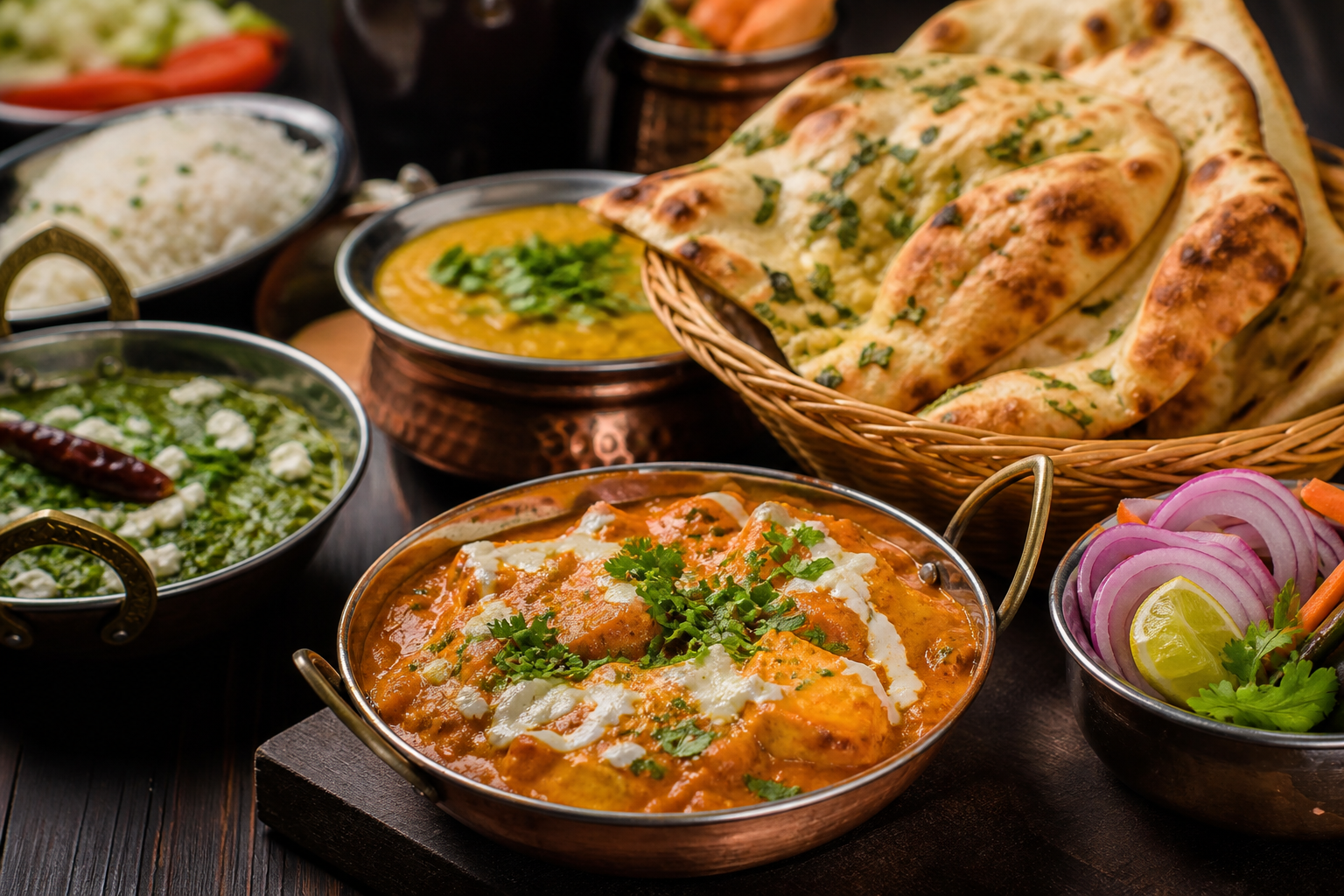
Curries vary from rich and creamy to bright and tangy. Paneer-based dishes, chickpea stews, and vegetable medleys are common. Sauces can be tomato-forward, onion-based, yogurt-enriched, or nut-thickened. Pair saucy curries with breads or rice to capture every drop.
Tandoori Specials
Vegetarian tandoori items showcase a smoky, high-heat sear. Marinades often include yogurt and spice blends (masalas), creating a flavorful crust while keeping the interior tender. Tandoori platters or skewers are ideal for sharing and add a charred note to your lineup.
Breads and Rice
Indian breads and rice are not just sides—they are essential carriers for sauces and spice. Ordering a smart mix ensures nothing is left behind on your plate.
- Breads: Options range from griddled flatbreads to baked or tandoor-fired varieties. Some are flaky, some soft, others crisp and stuffed.
- Rice: Plain or tempered rice provides a neutral base to spotlight richly spiced mains.
Drinks and Desserts
Sweet or salted lassis and other refreshments balance spice and cleanse the palate. Traditional sweets can be rich, nutty, or syrupy—perfect for sharing after a savory feast.
Spice Levels, Allergens, and Dietary Preferences
Indian vegetarian restaurants typically accommodate a wide range of tastes and needs. Clear communication ensures your meal aligns with your preferences.
- Spice calibration: When ordering, describe your heat tolerance using clear terms like mild, medium, or hot. If you enjoy bold flavor but limited heat, request “flavorful, not too spicy.”
- Allergens: Common ingredients include dairy (yogurt, paneer, ghee) and nuts in certain gravies or sweets. If you have allergies or intolerances, let your server know before ordering and verify each dish.
- Dietary patterns: Vegetarian menus may include dishes suitable for egg-free preferences; if relevant, ask about ghee (clarified butter), cream, or yogurt in finishing steps.
- Gluten awareness: Many breads contain wheat; seek rice-based accompaniments if you avoid gluten, and ask which options are suitable for your needs.
Building a Balanced Vegetarian Meal
Think in terms of contrast—pair a creamy curry with something smoky and charred, and anchor both with a bread or rice selection. Add a fresh, tangy element for lift and a cooling drink for balance.
- Choose a centerpiece: Pick one standout main—such as a paneer-based curry or a chickpea dish—based on your texture and sauce preferences.
- Add a contrasting preparation: If your main is saucy, complement it with a tandoori or griddled item; if it’s dry or charred, add a gravy for scooping.
- Anchor with a carrier: Order at least one bread and optionally rice to capture sauces and temper spice.
- Brighten the palate: Consider a tangy starter or chutney-forward snack for contrast.
- Cool and conclude: Round things out with a refreshing drink and, if you like, a sweet finish to cleanse the palate.
For groups, plan on two mains for every three diners, plus two to three breads and at least one shared starter. Scale up breads and add an extra curry if your mains are dry or if your group loves sauce-heavy dishes.
Ordering Like a Pro: Dine-In, Takeout, and Sharing
Whether you’re sitting down for a leisurely meal or picking up takeout, small adjustments make a big difference in how your meal eats.
- Dine-in flow: Start with a crisp or tangy snack, then move to a saucy main and a smoky or griddled counterpart. Keep breads arriving alongside mains so they’re hot for scooping.
- Takeout strategy: Ask for chutneys on the side and breads wrapped to retain steam. If heat level is a concern, request green chilies or chili oil separately to add at home.
- Portion planning: Shared plates shine. Mix textures across the table—creamy, crunchy, and charred—so everyone finds a favorite.
- Leftovers: Saucy curries often reheat well. For breads, a quick rewarm on a dry pan restores some freshness.
Glossary of Popular Vegetarian Dishes
Use this quick-reference list to recognize common vegetarian items you might encounter. Names and preparations can vary by region and chef, but these summaries will help you order with confidence.
- Paneer tikka: Marinated, skewered paneer finished in high heat for a charred exterior and soft center.
- Chole (chickpea curry): A hearty, spice-forward chickpea preparation often paired with breads.
- Kulcha: A leavened bread; some versions are stuffed, then baked or tandoor-fired to achieve a crisp, tender bite.
- Aloo pyaaz kulcha: A stuffed kulcha featuring spiced potato and onion, typically served hot and crisp.
- Desi ghee kulcha: A kulcha enriched with clarified butter for added aroma and richness.
- Nutri kulcha: A combination often featuring a protein-rich vegetarian pairing served with kulcha.
- Tandoori roti: Whole-wheat bread cooked in the tandoor, offering a toasty, slightly smoky character.
- Tandoori paneer tikka: Charred paneer cubes marinated with spices and yogurt, bringing a smoky note to the table.
- Afghani chaap: A mild, creamy-marinated soya or vegetarian cutlet-style item, typically finished in the tandoor.
- Mathi chole: A combination pairing a flaky, savory element with chickpea curry for textural contrast.
- Chole bhature: Puffy fried bread served with chickpea curry, known for its indulgent, festive feel.
- Street-style chaat: Layered snacks with crunchy bases, tangy chutneys, yogurt, and spices—built for brightness and texture.
- Masala lassi: A spiced, savory yogurt drink that cools and refreshes.
- Sweet lassi: A lightly sweetened yogurt beverage that soothes the palate.
Pairing Flavors and Textures
Great Indian vegetarian meals feel composed. Aim to include at least one item from each of these buckets:
- Smoky-charred: Tandoori specials bring fire-kissed notes and satisfying edges.
- Creamy-saucy: Signature curries or paneer gravies add richness and depth.
- Fresh-tangy: Chaat, pickles, and chutneys lighten richer dishes.
- Soft-crisp carriers: Breads and rice capture sauce while adding chew and crunch.
When in doubt, let contrast guide you: match a creamy curry with a toasted bread, or pair a crisp, stuffed kulcha with a juicy, tomato-forward gravy. If spice heat climbs, temper with yogurt-based drinks or a milder side.
Checklist for First-Time Diners
- Skim the menu sections first: starters/chaat, tandoori, signature curries, breads, drinks, desserts.
- Pick one saucy main and one dry or tandoori-style item.
- Add a bread you haven’t tried before—kulcha or tandoori roti are great gateways.
- State your spice level clearly (mild/medium/hot) and any dietary notes up front.
- Balance with a cooling lassi or similar beverage.
- Share! Order two to three dishes for variety rather than one large entrée per person.
FAQ
How spicy is the food at an Indian vegetarian restaurant?
Spice levels vary by dish and kitchen. Many items can be prepared mild, medium, or hot. If you prefer low heat but full flavor, say “mild, but flavorful.” For shared tables with mixed preferences, ask for chilies or chili oil on the side.
What should I order if I’m new to Indian vegetarian cuisine?
Start with a small chaat or a tandoori-style starter for texture and brightness. Then choose a paneer or chickpea-based curry plus a bread like kulcha or tandoori roti. Add a refreshing lassi to round out the experience.
Are there dairy-free options?
Many vegetarian dishes traditionally include dairy such as yogurt, ghee, or paneer. If you avoid dairy, mention it when ordering and ask which dishes and finishing steps can be adjusted. Always verify ingredients if you have allergies or strict dietary needs.
What’s the difference between tandoori items and curries?
Tandoori items are marinated and cooked in a high-heat clay oven, yielding a smoky, charred finish. Curries are simmered dishes with sauces ranging from light and tangy to rich and creamy. The two styles complement each other well in a shared meal.
How do I pair breads with mains?
Use softer breads for soaking up creamy gravies and crispy or stuffed breads to add crunch and contrast. If you choose multiple curries, order a mix of breads so each sauce has an ideal partner.


Leave A Comment