







Punjabi Curry Restaurant: Warm Family Meals in Brampton (2026)
An Indian curry restaurant is a dining spot built around slow-simmered gravies of onions, tomatoes, yogurt, ghee, and authentic spices, served with breads and rice. In Brampton near the 27 main st N area, Taste of Amritsar focuses on Punjabi curries, tandoori specialties, and a homely, family-first experience you can taste and feel.
By Taste of Amritsar • Last updated: July 4, 2026
Overview
This guide explains what defines an Indian curry restaurant, how Punjabi curries are built, the regional types you’ll find, and how to choose and enjoy them in Brampton. You’ll get actionable tips, a process overview, and local advice tailored to Taste of Amritsar’s Punjabi menu and family-friendly service.
Here’s what you’ll find at a glance:
- What an Indian curry restaurant offers and how Punjabi gravies are made
- Why real masalas and tandoori heat shape flavor and texture
- Types of Punjabi curries you can try at Taste of Amritsar
- How to pair kulchas, roti, rice, and lassi for balance
- Local dining tips for the 27 main st N area in Brampton
Local considerations for 27 main st N
- Plan a relaxed stroll before or after your meal at nearby Gage Park; it’s a calm way to ease into rich Punjabi flavors.
- Weekends draw families; arrive a bit earlier than peak times if you’re visiting before an event at Brampton Library.
- If you’re dining with mixed preferences, our vegetarian-friendly Punjabi staples keep groups happy without diluting authenticity.
What Is an Indian Curry Restaurant?
An Indian curry restaurant centers its menu on spice-forward gravies built from aromatics, tomatoes or yogurt, and ghee or oil, paired with breads and rice. Punjabi kitchens emphasize depth through browned onions, slow cooking, and fresh tandoori breads that carry sauce and fragrance in every bite.
In our experience serving Punjabi and Amritsari cuisine in Brampton, “curry” isn’t one sauce—it’s a family of gravies tuned to ingredients and technique. At Taste of Amritsar, the base may lean onion-forward for richness or tomato-forward for tang, while yogurt or cream softens heat without muting spice character.
- Aromatics first: Onions, ginger, and garlic become the flavor foundation.
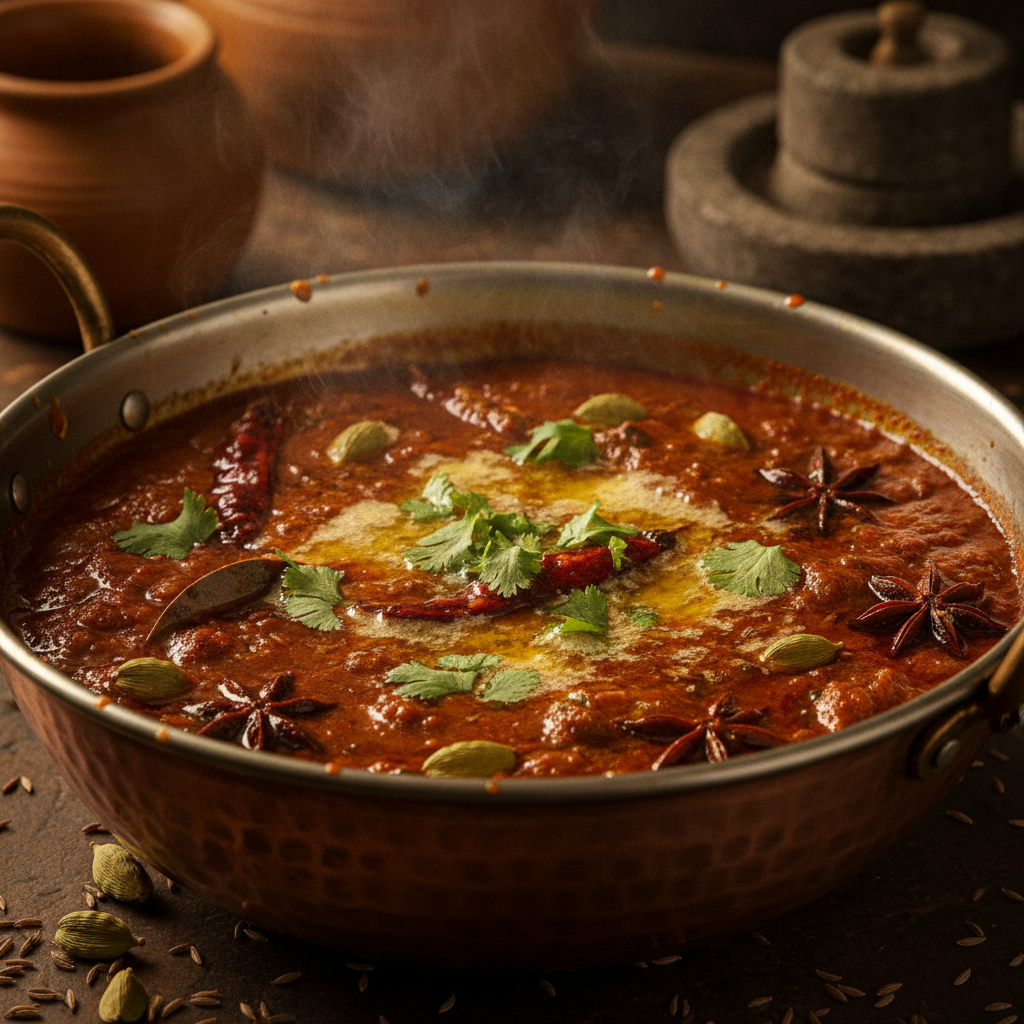
- Whole spices bloom: Cumin, cardamom, bay leaf, and cloves release oils in hot ghee.
- Masala build: Ground spices layer warmth (coriander, turmeric, chili, garam masala).
- Body and balance: Tomato, yogurt, or nut pastes add tang and silk.
- Protein or veg: Paneer, legumes, or meats finish the dish with texture contrasts.
For local diners searching “indian curry restaurant,” it helps to picture the plate as a system: bread or rice scoops the sauce, pickles and chutneys add bright acidity, and lassi resets your palate between bites.
Why Punjabi Curries Matter for Flavor, Comfort, and Community
Punjabi curries deliver layered spice, slow-cooked comfort, and shareable plates that bring people together. The combination of handcrafted gravies, fresh tandoori breads, and cooling lassi creates a balanced meal that satisfies diverse tastes at the same table.
We see this nightly: families and friend groups want bold flavor, but also variety and comfort. Punjabi curries give you both. A tomato-forward makhani-style gravy can feel luxurious, while chole’s hearty chickpeas and spice carry warmth through colder evenings in Brampton.
- Depth from technique: Browning onions changes sweetness and body; a few extra minutes can shift texture dramatically.
- Balance on the table: Kulcha or roti provides chew, basmati rice adds lift, and raita or lassi cools the finish.
- Vegetarian-friendly: Paneer, legumes, and seasonal vegetables let mixed groups order together with ease.
- Consistent comfort: When you return, signature gravies taste familiar—hospitality you can track across visits.
For Brampton guests near 27 main st N, this balance is why Taste of Amritsar’s menu centers on Punjabi gravies, fresh-from-the-tandoor breads, and small sides that tune the heat to your preference.
How Punjabi Curry Works: From Masala to the Table
Punjabi curry builds in stages: bloom whole spices, brown aromatics, layer powdered masalas, add tomato or yogurt for body, then simmer with paneer, legumes, or meat. Fresh tandoori breads or steamed rice complete the experience and help you taste each spice layer clearly.
In our kitchen, the difference between a flat sauce and a vivid curry often comes down to simple process discipline. Here’s a simplified view of the flow you’ll taste on the plate.
- Bloom whole spices: Heat ghee; add cumin, bay leaf, cloves to release aroma.
- Sweat and brown aromatics: Onions go from translucent to deep golden; ginger-garlic follow.
- Build the masala: Coriander, turmeric, chili powder, and garam masala toast briefly.
- Body and acidity: Tomato purée, yogurt, or nut paste adds tang and silk.
- Protein or veg: Paneer cubes, chickpeas, or marinated meats simmer to marry flavors.
- Finish: Fresh herbs, butter or ghee, and sometimes cream align the texture.
While a tandoor can reach searing heat that chars quickly, the curry next to it simmers steadily to develop body. That contrast—char and silk—is signature to Punjabi meals at an Indian curry restaurant like ours.
Types of Punjabi Curries You’ll Find at Taste of Amritsar
Expect tomato-forward makhani gravies, onion-forward brown gravies, and legume-based classics like chole. Pair them with Amritsari kulcha, tandoori roti, or basmati rice, and round out the meal with raita, pickles, and sweet or masala lassi for balance.
Our Brampton guests often ask where to start. Here are guest-favorite styles mapped to real dishes you’ll see on our menu and specials boards.
- Makhani-style gravies: Silky, tomato-butter profiles that flatter paneer and tandoori proteins.
- Onion-forward brown gravies: Deeper caramel notes, excellent with paneer tikka or malai tikka.
- Legume-based curries: Chole (chickpeas) or nutri kulcha pairings deliver hearty satisfaction.
- Home-style tomato-onion gravies: Everyday Punjabi foundations, adjusted for season and heat.
Craving bread pairings? Our Amritsari kulcha and aloo pyaaz kulcha bring crisp edges and soft centers that hold curry beautifully. When you want lighter chew, go with tandoori roti; for extra comfort, reach for steamed basmati rice.
Scan our current options on the Taste of Amritsar menu, explore dish stories in our cuisine guides, and see seasonal combinations via tasting menus.
Best Practices: Pairing, Ordering, and Sharing
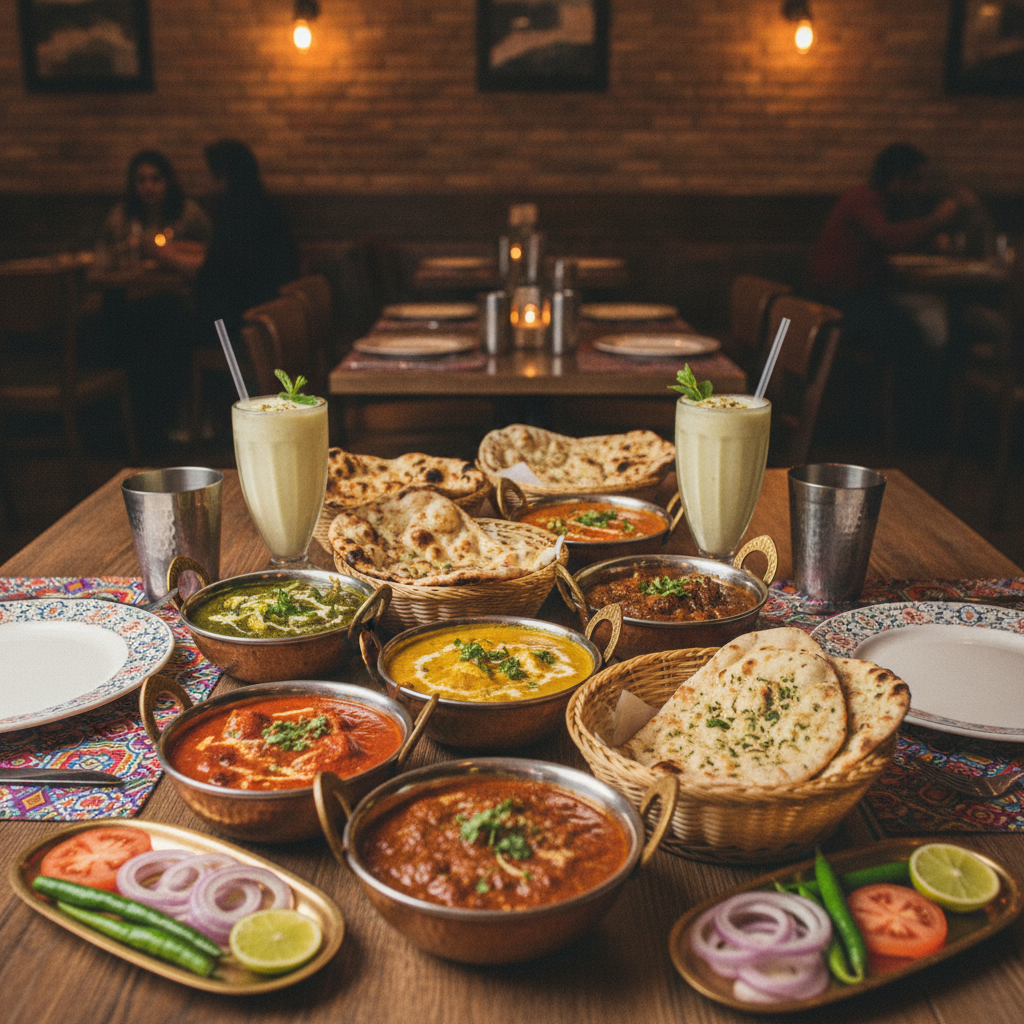
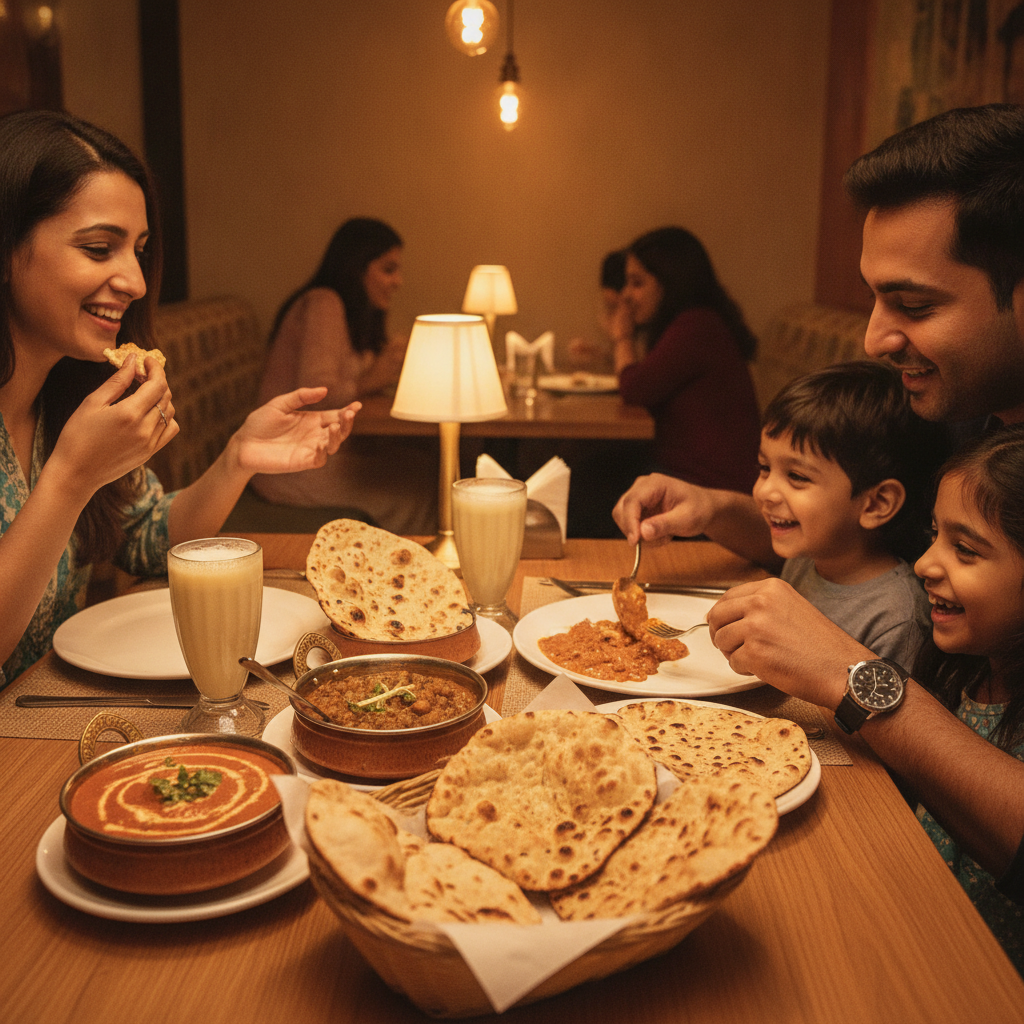
Build your table with one rich gravy, one lighter curry, a bread and rice, plus a cooling drink. Share family-style so each person balances heat, texture, and acidity to taste. This simple framework keeps the meal satisfying and avoids over-ordering.
Build a balanced table
- Choose two gravies: One silky (makhani-like), one hearty (chole or brown onion base).
- Add breads and rice: Amritsari kulcha or tandoori roti plus fragrant basmati rice.
- Include bright sides: Chutneys, pickles, sliced onions with lemon, and raita.
- Finish with lassi: Sweet lassi softens spice; masala lassi adds savory lift.
Share smarter
- Mix textures: Crisp kulcha edges, soft rice, and creamy gravies keep bites interesting.
- Vegetarian ease: Paneer tikka, nutri kulcha, and street-style chaat let everyone join.
- Heat to taste: Keep green chilies or pickle on the side; add as you go.
For more pairing ideas, our Punjabi dishes guide and our sweet lassi guide map classic combinations from starters to desserts and drinks.
Tandoor and Bread Essentials
The tandoor delivers char, smoke, and speed; breads like Amritsari kulcha and tandoori roti bring chew and structure. Pairing tandoor-fired breads with curry is the hallmark of Punjabi dining and a major reason flavors feel bold yet balanced.
On busy evenings in Brampton, we see how fresh bread timing anchors the entire table. When a hot kulcha lands next to a simmering curry, you taste contrast: crisp-charred edges, tender centers, and the sauce’s spice oils coming forward as you tear and dip.
- Amritsari kulcha: Crisp outside, fluffy inside—ideal with chole and makhani gravies.
- Aloo pyaaz kulcha: Potato-onion filling that loves tangy pickles and yogurt.
- Tandoori roti: Lighter chew, great with onion-forward brown gravies and tikka.
- Rice support: Steamed basmati lifts rich sauces and resets your palate.
If you’re curious about fusion ideas in larger Indian dining culture, browse an Indian fusion menu overview for context—then come back to our roots-forward Punjabi pairings when you want classic balance.
Starters, Sides, and Accents That Elevate Curry
Start with crunchy chaats or paneer tikka, then add chutneys, pickles, and raita to brighten and cool each bite. These accents amplify curry’s spice layers and help mixed groups dial flavor to personal preference without changing the core dish.
- Street-style chaat: Crunch, tang, and herbs to wake up your palate.
- Paneer tikka: Tandoor-kissed cubes that love tomato-forward gravies.
- Mathi chole: Classic snack-meets-curry with satisfying texture play.
- Chole bhature: Puffy bread with chickpea curry for a celebratory feel.
- Raita and chutneys: Quick heat control between bites.
Explore starter ideas on our current menu and seasonal notes in our cuisine articles.
How to Choose an Indian Curry Restaurant in Brampton
Look for a clear regional focus (Punjabi, in our case), fresh tandoori breads, and a menu that explains gravies and pairings. Consistent flavors, friendly guidance, and vegetarian depth are reliable signals you’ll get a satisfying, shareable meal.
- Regional clarity: A Punjabi-forward menu should show kulchas, roti, paneer, and chole center stage.
- Bread quality: Fresh, hot breads are non-negotiable—timing matters.
- Vegetarian options: Depth in paneer, legumes, and chaats keeps groups flexible.
- Menu guidance: Short dish notes and pairing ideas help newcomers order with confidence.
- Hospitality: Warm, homely service improves every bite (and every visit).
Want a sense of authentic, roots-forward cooking? Read how North Indian street food culture frames balance and texture in this broader street food culture overview, then compare with our Punjabi emphasis at Taste of Amritsar.
Sample Ordering Flows for Families and Friend Groups
Use a simple flow: pick two gravies, choose a bread and rice, add a bright starter, and finish with lassi. This keeps tastes aligned across the table and lets everyone adjust heat and acidity individually.
Family of four (vegetarian-forward)
- Starters: Street-style chaat and paneer tikka
- Curries: Chole + a makhani-style paneer dish
- Breads and rice: Amritsari kulcha, tandoori roti, basmati rice
- Drinks: Sweet lassi and masala lassi
Friend group (mixed preferences)
- Starters: Mathi chole and tandoori chaap
- Curries: One onion-forward brown gravy + one tomato-forward makhani
- Breads and rice: Aloo pyaaz kulcha, tandoori roti, basmati rice
- Drinks: Lassi round to finish
See current dishes on the Taste of Amritsar menu, and if you’re planning a special occasion, check our service page for reservation guidance.
Process Table: Punjabi Curry Flow vs. Bread Timing
Punjabi curry relies on steady simmering while breads need quick, high-heat timing. Coordinating both streams gives you char, chew, and sauce silk together—why Punjabi meals feel complete when the basket and bowl arrive in sync.
| Step | Curry Stream | Bread Stream | What You Taste |
|---|---|---|---|
| 1 | Bloom whole spices in ghee | Preheat tandoor | Initial aroma, spice oils |
| 2 | Brown onions; add ginger-garlic | Roll, fill, or shape dough | Sweetness, body, texture prep |
| 3 | Toast ground masalas | Start baking first breads | Warmth, color, complexity |
| 4 | Add tomato/yogurt; simmer | Fire kulcha/roti to order | Silk and tang vs. char |
| 5 | Finish with herbs and ghee | Serve hot from tandoor | Freshness, fragrance, chew |
Tools, Resources, and How to Keep Learning
Use the menu, cuisine articles, and tasting menus to plan meals confidently. External reading on thali and street-food balance can broaden your palate, then you can return to Punjabi fundamentals with more context for pairing and heat control.
- Taste of Amritsar menu for live options and specials
- Cuisine category for dish stories and pairing tips
- Tasting menus for guided combinations
- Context reads: a Punjabi thali guide and a high-level look at North Indian street food culture
Plan a Brampton meal you’ll remember. Browse the menu, explore tasting menus, and connect via our service page for table guidance.
Case Examples: Real Scenarios from Our Dining Room
Families and friend groups use a simple Punjabi framework—one rich curry, one hearty curry, breads, rice, and lassi—to keep everyone happy. These quick snapshots show how flexible that pattern is without compromising flavor or authenticity.
Weeknight family after sports practice
- Comfort-first: Chole + makhani-paneer, kulcha basket, and rice for the kids
- Accents: Raita and pickles so adults can dial heat per bite
- Finish: Sweet lassi all around
Saturday friends before a park hang
- Lift-off: Street-style chaat and paneer tikka
- Main play: Onion-forward brown gravy + tandoori roti; second gravy is tomato-forward
- Walk to: Gage Park after dinner
Mixed-diet group with vegetarian anchor
- Core: Nutri kulcha and chole
- Balance: Aloo pyaaz kulcha plus basmati rice
- Cool-down: Masala lassi to end
Want to see how other formats compare? Skim an Indian thali overview for a platter-style perspective, then return to Punjabi pairings on our roots-first menu.
FAQ: Indian Curry Restaurant Basics
These quick answers cover ordering, heat, and pairings at a Punjabi-focused Indian curry restaurant. Use them to plan your next Brampton visit with confidence and keep everyone at the table smiling.
What should I order first at a Punjabi curry restaurant?
Start with one silky, tomato-forward gravy and one hearty option like chole. Add Amritsari kulcha or tandoori roti plus basmati rice. Finish with sweet or masala lassi to balance heat and richness.
How spicy are Punjabi curries?
Spice levels vary by dish and can be tuned at the table. Chutneys, pickles, raita, and lassi help you adjust heat between bites without changing the core recipe.
Is Punjabi cuisine good for vegetarian diners?
Yes. Punjabi menus often feature paneer, chickpeas, lentils, and vegetable curries with real masalas. It’s easy to build a full meal that satisfies vegetarians and non-vegetarians at the same table.
What drinks pair best with curry?
Lassi is a classic. Sweet lassi cools and soothes; masala lassi adds savory spice. Both refresh your palate between bites and help you appreciate the layers in Punjabi gravies.
Key Takeaways
Build meals around two complementary gravies, fresh breads, and a cooling drink. Look for regional clarity, vegetarian depth, and warm hospitality. In Brampton, Taste of Amritsar delivers Punjabi staples with authentic masalas and tandoori craft.
- Punjabi curry is a method—bloom, brown, layer, body, finish
- Bread timing is as important as simmer time
- Pairings and sides let everyone fine-tune heat
- Regional focus and hospitality shape the best visits
Ready to taste Punjabi curry the homely way? Explore our menu and plan your visit via the service page. We look forward to welcoming you in Brampton.


Leave A Comment