





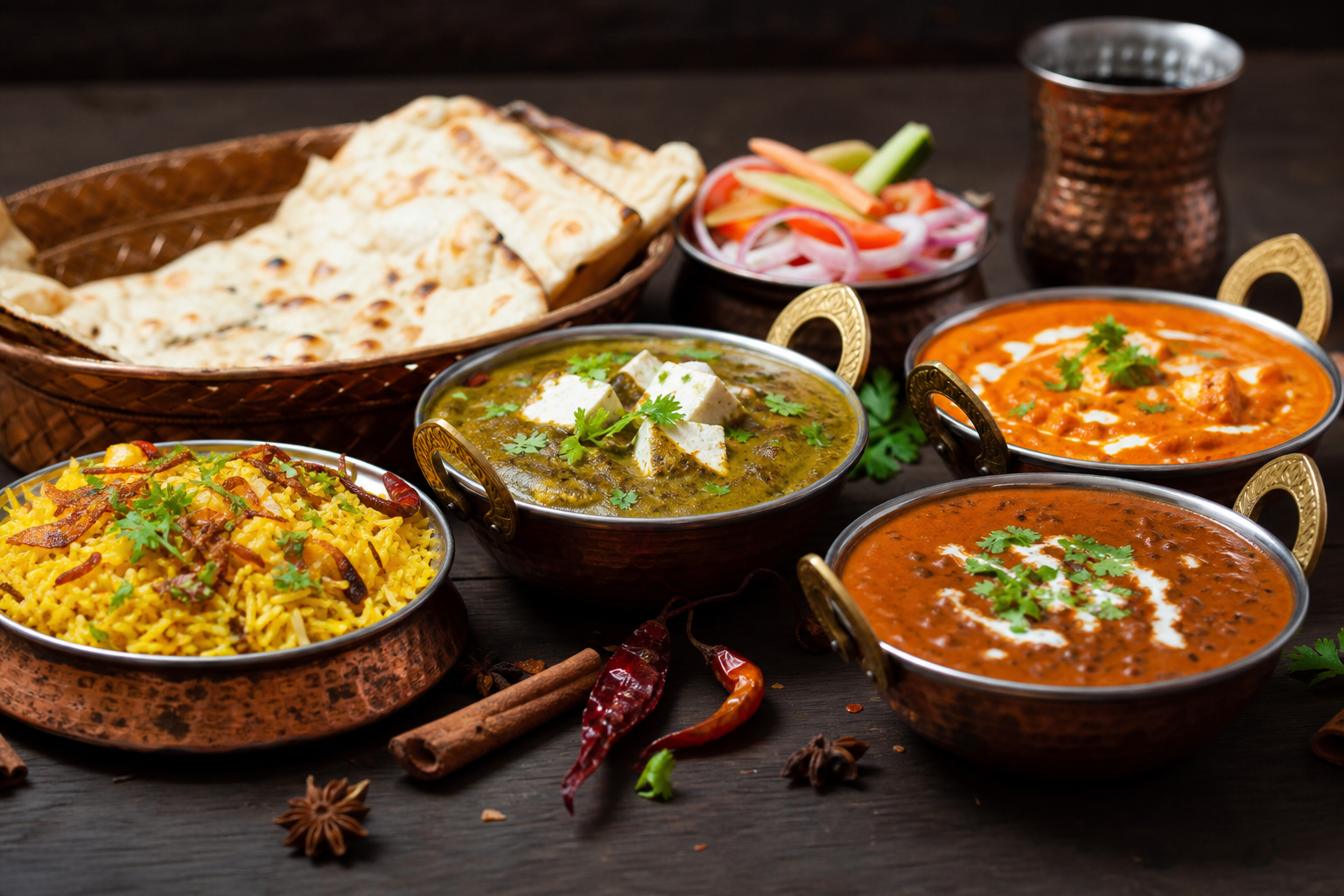
How to choose an indian cuisine restaurant: flavors, menus, and smart ordering
Whether you’re trying Indian food for the first time or searching for a new favorite spot, picking the right indian cuisine restaurant can transform a meal into a memorable experience. This guide focuses on practical ways to evaluate menus, understand spice and flavor profiles, order confidently for any group, and get the most from your visit—without relying on hype or guesswork.
Key Takeaways
- Look for tandoor-fired items and layered masalas to gauge a restaurant’s authenticity.
- Group menu items clearly to help build a balanced meal that caters to all preferences.
- Communicate your preferred spice level to enhance your dining experience.
- Explore regional signatures to discover unique dishes that reflect diverse culinary traditions.
- Ask smart questions to clarify flavors and make informed choices.
Start with flavor and technique
Indian cooking spans a spectrum of techniques and tastes. When you scan a menu or hear how dishes are prepared, these flavor cues often signal thoughtful cooking:
- Tandoor-fired items: Look for mentions of a clay-oven tandoor. Tandoori specials often carry a gentle smokiness and a lightly charred exterior with juicy interiors.
- Layered masalas: A well-composed curry describes more than heat—it hints at aromatics like cumin, coriander, ginger, garlic, and whole spices. Balanced dishes layer warmth, acidity, and sweetness without one note dominating.
- Fresh finishes: Details like tempering (tadka) with mustard seeds or cumin, finishing with fresh cilantro, or a squeeze of lemon can keep rich dishes lively.
- Texture contrast: Crisp papads, fluffy naans, flaky parathas, and creamy gravies create contrast in a single meal. Menus that encourage mixing textures often lead to more satisfying tables.
When a restaurant emphasizes clarity about cooking methods and spice blends—rather than vague descriptions—you can better predict what will arrive at the table.
Read the menu like a local
Skimming past names you recognize is tempting, but a quick, structured scan of the menu helps you discover standout options:
- Traditional starters: Items like chaats, pakoras, or kebabs can preview a kitchen’s skill with seasoning and crunch.
- Signature curries: Most restaurants highlight house favorites. If a curry is singled out as a signature, it usually reflects the kitchen’s core style and spice philosophy.
- Bread strategy: Match the bread to the dish—pillowy naan for scooping saucy gravies, layered parathas for richer curries, and tandoori roti for a more rustic, wheaty complement.
- Tandoori specials: From paneer tikka to marinated chaap, tandoor items offer bold, smoky notes and pair well with cooling sides.
- Drinks and sweets: Lassi (sweet or masala), kulfi, and other desserts or beverages can balance spice and provide a refreshing finish.
Menus that group dishes clearly—starters, tandoori, curries, breads, desserts, and drinks—make it easier to build a balanced table for mixed preferences.
Spice and heat without surprises
“Spicy” can mean different things. In Indian cuisine, heat (from chiles) and spice (from masalas) are not the same. A great indian cuisine restaurant will accommodate a range of palates. Consider these tips:
- Communicate heat level early: If you prefer mild or medium, say so when ordering. Many dishes can be adjusted without losing character.
- Balance your table: Pair a hotter curry with cooling sides like raita, cucumber salads, or a sweet lassi.
- Use bread as a buffer: Naans and rotis mellow spice and provide structure to rich gravies.
- Start with aromatics: If you’re new to heat, select dishes known for aromatic warmth (cumin, cardamom, cinnamon) rather than raw chile heat.
The best experiences come from clarity. If you’re unsure about a dish’s heat, ask for a quick comparison to something familiar on the menu.
Order for a group like a pro
Indian dining shines when shared. To make the most of family-style eating, assemble a spread with complementary flavors, textures, and cooking methods:
- Pick a theme per round: For example, begin with tangy, crunchy starters and then transition to saucier mains.
- Cover the curry spectrum: Choose one tomato-forward gravy, one creamier or nutty option, and one dry stir-fry or tandoori item for variety.
- Include at least two breads and a rice: This anchors the meal and ensures everyone has a familiar base.
- Add a cooling condiment and a bright chutney: These sharpen flavors and keep bites lively across the table.
- Finish with a shared sweet or drink: A sweet lassi or traditional dessert creates a gentle close, especially after bolder mains.
Group ordering works best when a few diners choose dishes across categories, then invite others to add a favorite to round things out.
Vegetarian and flexible choices
Indian cuisine is naturally rich in vegetarian options. If your group includes different dietary preferences, look for these flexible anchors:
- Paneer preparations: From tikka (tandoor-fired) to creamy gravies, paneer adapts well to many sauces and spice levels.
- Legume-based classics: Chickpeas and lentils deliver satisfying protein and pair well with breads or rice.
- Grilled and tandoori items: Marinated vegetables and chaap styles offer smoky depth without heavy gravies.
- Bread-forward combinations: Stuffed kulchas or parathas with chutneys can double as shareable mains for lighter appetites.
When in doubt, ask which dishes can be prepared with your preferred dairy or spice adjustments. Clear questions usually lead to stress-free dining.
Regional signatures worth knowing
“Indian cuisine” is a shorthand for a vast map of culinary traditions. Recognizing a few regional markers can help you decode menus quickly:
- North Indian and Punjabi influences: Expect tandoori breads, paneer, rich gravies, and robust masalas. Kulchas, rotis, and creamy curries are common.
- Western and central notes: You might see nutty gravies, milder heat, and bread varieties that reward mixing and matching with saucy mains.
- Coastal cues: Coconut, curry leaves, and seafood may feature more prominently, with lighter, aromatic broths.
Even if a restaurant specializes in one region, many offer cross-regional favorites so mixed groups can find common ground.
Build a balanced meal
Use this quick checklist to compose a satisfying table at any indian cuisine restaurant:
- One bright, crunchy starter (e.g., chaat or pakora-style bites)
- One tandoor item for smokiness (e.g., tikka or chaap)
- Two curries with contrasting bases (tomato-forward and creamier/nutty)
- Two breads with different textures (e.g., naan plus tandoori roti or a stuffed kulcha)
- One rice for versatility
- One cooling side (raita, salad) and one chutney
- One sweet ending or lassi
This simple mix keeps the table interesting and accommodates a wide range of palates.
Smart questions to ask
Brief, specific questions can help you order confidently:
- “Is this dish aromatic-spicy or chile-spicy?” clarifies flavor versus heat.
- “Which curry best represents your kitchen?” often points to house signatures.
- “Can you suggest a bread that pairs well with this gravy?” aligns texture with flavor.
Sources & References
For further reading on Indian cuisine and dining tips, consider these authoritative resources:
- Indian Food Forever – A comprehensive guide to Indian recipes and cooking techniques.
- Cooking Light – Offers insights on healthy Indian cooking and ingredient substitutions.
- Food & Wine – Features articles on regional Indian cuisines and dining experiences.


Leave A Comment