

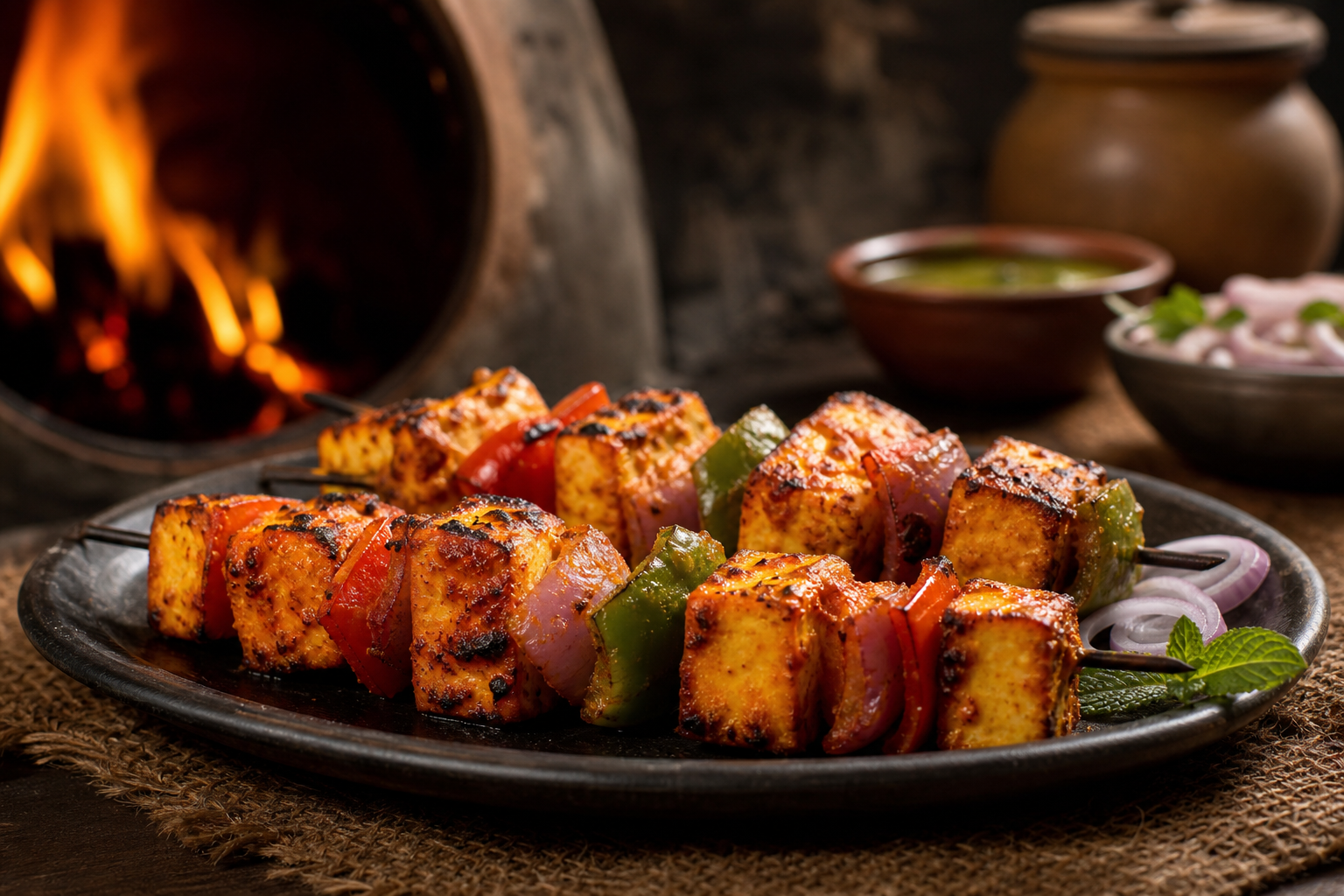
7 questions to ask before choosing Tandoori Paneer Tikka techniques
Why these questions matter for cooks and diners in Brampton
“Tandoori Paneer Tikka techniques” is not just a phrase, it defines choices that change texture, char, and the smoky notes that make this dish memorable. For home cooks the method you choose determines whether paneer stays firm, gets a proper char, and carries the marinade. For diners choosing a restaurant, asking a few targeted questions reveals whether a kitchen is using authentic steps such as imported masalas, tandoor or charcoal finish, and thick hung-curd marinades that deliver true Amritsari and Punjabi flavours. Taste of Amritsar highlights imported masalas and tandoori specials, which are useful local signals to check when ordering in Brampton (see the restaurant site for menu context).
How to use this checklist
Read the seven numbered checks below to quickly evaluate a recipe, cooking technique, or restaurant preparation. Each item names a single decision point, explains why it matters, and lists what to look or listen for when you call, order, or cook. After the seven checks there is a short technique comparison, a local verification checklist for Brampton restaurants, common mistakes to avoid, and practical next steps.
The seven questions: quick checks before you pick a technique
1. Does the marinade use hung curd, Kashmiri mirch, garam masala, and ginger-garlic paste?
A classic restaurant-style tandoori marinade is thick and clings to paneer, built on hung curd (strained, thick yogurt), Kashmiri mirch for bright colour and mild heat, garam masala for rounded warmth, and ginger-garlic paste for depth. That combination creates the texture and flavour diners expect; recipes that omit hung curd or swap it for a watery yogurt will give a weaker coating and poorer charring. For practical recipe guidance on restaurant-style marinades and the role of Kashmiri mirch, see the ODM Masala notes on restaurant-style tandoori paneer tikka: Tandoori Paneer Tikka Recipe: Restaurant-Style at Home.
2. How long is the marination and is the marinade thick enough to cling to paneer?
Marination time and consistency change how much flavour actually reaches the paneer surface. A short, thin marinade will flavour only the surface and release moisture during cooking, producing soggy edges instead of a seared exterior. Authoritative recipe notes recommend marinating for at least 30 minutes and using a thick marinade so it adheres during high-heat cooking; that minimum helps ensure flavour without over-softening the paneer. For reference, see the restaurant-style marination guidance in the ODM Masala recipe linked above.
3. What heat source will be used: true tandoor, oven, charcoal grill, or tawa/pan?
The heat source is the single biggest determinant of char and smoke. A clay tandoor or hot charcoal grill produces fast surface charring and an unmistakable smoky edge. A broiler or very hot oven can approximate that finish but usually lacks direct flame contact. A tawa or heavy skillet gives excellent crust and caramelization on a home stovetop but typically produces less smoke. When you choose a technique or order from a restaurant, match the expected heat source to the result you want: deep smoky char (tandoor/charcoal), even roastery and hands-off cooking (oven), or crisp pan sear and convenience (tawa).
4. Is there an intentional charring or smoking step to replicate tandoor bark and smoke?
True tandoori flavour often includes a finishing char or a quick smoking step to add a dhungar-style aroma. Ask whether the chef finishes pieces over an open flame, uses a charcoal flare-up, or applies a short smoking technique. Restaurants that can describe a deliberate charring or smoke finish are more likely to deliver authentic smoky notes than those that rely solely on slow oven baking without a finishing flame.
5. What paneer quality and cutting method are used and will it stay firm under high heat?
Firm, well-pressed paneer holds together and browns evenly; soft or freshly crumbled paneer can fall apart when exposed to high heat. Check whether the recipe or kitchen presses paneer briefly to remove excess moisture and whether pieces are cut to consistent size so they cook uniformly. If a restaurant cannot describe its paneer handling, expect potential issues with crumbling or uneven browning when ordering high-heat preparations.
6. Which spices and colourants are used: Kashmiri mirch for colour versus artificial dyes?
Authentic Amritsari and restaurant profiles use Kashmiri mirch for its red-orange hue and mild heat, not artificial dyes or excessive standard red chilli powder that can overwhelm flavour. Asking specifically about Kashmiri mirch helps reveal whether a recipe or kitchen is following a genuine profile. The ODM Masala guidance highlights Kashmiri mirch as the recommended colour and heat agent for restaurant-style paneer tikka marinades: ODM Masala restaurant-style notes.
7. How is the dish finished and served: skewers, resting time, chutney, and serving temperature?
Finishing and service matter. Paneer served directly from skewers with a short rest off direct heat retains juiciness and delivers a hot, slightly charred exterior. Check whether the dish comes with a cooling or acidic component such as mint chutney, sliced onions, lemon, or a side raita, and whether it is plated on skewers or loose pieces. These service details shape the eating experience and indicate a kitchen that understands finished presentation.
Quick technique comparison: what each heat source reliably gives you

- Clay tandoor or charcoal grill: fastest, most authentic char and smoky notes; ideal if you want crisp edges and a tandoori ‘bark’.
- Charcoal flare finish: achieves smoke in kitchens without a tandoor by finishing under direct flame; good compromise for authentic aroma.
- Hot oven or broiler: even heating and convenient for larger batches; can approximate tandoori finish but usually lacks open-flame smoke unless a finishing step is added.
- Tawa or heavy skillet: strong pan sear and controlled browning, easiest for home cooks to get caramelized edges but limited smoky flavour.
What to ask a Brampton restaurant before ordering paneer tikka
If you are ordering for dine-in or pickup, use this short script and the answers to gauge authenticity:
- “Do you marinate paneer in hung curd and Kashmiri mirch?” — a yes that mentions thick yogurt and Kashmiri mirch suggests a restaurant-style marinade.
- “Do you finish the tikka on a tandoor or with a charcoal flame?” — a tandoor or charcoal finish indicates stronger smoky flavour.
- “Do you press paneer before cutting or use firm paneer?” — firm paneer and pressing reduce breakage.
- “What chutney and serving style come with it?” — skewers, chutney, lemon, and hot service show attention to finish.
When you want to check a local option quickly, note that Taste of Amritsar promotes tandoori specials and imported masalas on its menu pages. You can review their Paneer Tikka presentation on the site under the listing Paneer Tikka Appetizer: Flavorful Bites, Perfect Party Star and look for the service details above. For broader menu context visit the homepage at the official website.
Common mistakes and red flags that predict a poor result
- Watery or thin marinade that slides off during cooking, leaving bland paneer.
- No charring or finishing flame, yet the menu promises a tandoori experience.
- Paneer cut into inconsistent or tiny pieces that overcook and dry out.
- Menu descriptions that mention bright artificial colouring rather than Kashmiri mirch.
- Staff cannot describe marination time or basic prep steps when asked; this suggests shortcuts.
Decision criteria and next steps: choose technique by goal

Use these practical rules to pick a method or a restaurant:
- If you want authentic smoky char and you can access a tandoor or charcoal grill, pick that method or a restaurant that uses one.
- If convenience and batch cooking matter, accept a hot oven or broiler and look for a thick hung-curd marinade and a finishing char when possible.
- If you only have a stovetop, use a heavy tawa for the best pan-seared crust and press paneer first to reduce moisture.
- When ordering in Brampton, prioritise menus and staff answers that mention hung curd, Kashmiri mirch, tandoor or charcoal finishes, and firm paneer handling.
Action checklist: confirm marinade components, confirm marination time (at least 30 minutes is a good baseline), ask about heat source and finishing method, and verify service presentation. Once you are ready to try a local preparation, review the paneer tikka listing at Paneer Tikka Appetizer: Flavorful Bites, Perfect Party Star or check the restaurant homepage for broader menu context at the official website.
Frequently asked questions
What is the single biggest difference between tandoor and oven for paneer tikka?
The largest practical difference is direct flame contact and resulting smoke. A tandoor or charcoal grill gives immediate, high-heat charring and more smoke, while an oven provides even heat and convenience but typically lacks that open-flame smoke unless the kitchen adds a finishing char or smoke step.
Why does Kashmiri mirch matter and can I substitute it?
Kashmiri mirch is prized for its bright red-orange colour and mild heat, which preserves flavour balance without overpowering the dish. You can substitute other mild red paprika varieties for colour, but watch substitutions carefully: standard red chilli powder will change heat levels and may make the profile sharper rather than the characteristic milder restaurant tone. See the ODM Masala restaurant-style notes for guidance: ODM Masala recipe notes.
How long should paneer be marinated for good flavour without falling apart?
Marinating for at least 30 minutes gives a meaningful flavour lift for paneer without long surface breakdown; thicker hung-curd marinades cling better and reduce the water released during cooking. Very long marination times can sometimes soften fresh paneer, so for many home and restaurant applications the 30-minute baseline recommended in restaurant-style guides is a practical compromise.
Can I get authentic tandoori char at home if I only have a pan or oven?
Yes, you can approximate it. Use a very hot cast-iron pan or a broiler for fast surface browning, and add a short smoking finish such as a quick charcoal flare-up off the heat if you want smoky aroma. The pan route gives excellent crust while the oven lets you handle larger batches; neither perfectly replicates a tandoor’s direct flame, but both can produce satisfying results when paired with a thick hung-curd marinade and Kashmiri mirch.
Ready to try authentic paneer tikka in Brampton
When you want an authentic Amritsari-style paneer tikka in Brampton, check the menu and presentation details on the official website, and review the Paneer Tikka listing at Paneer Tikka Appetizer: Flavorful Bites, Perfect Party Star before you book or order.


Leave A Comment