









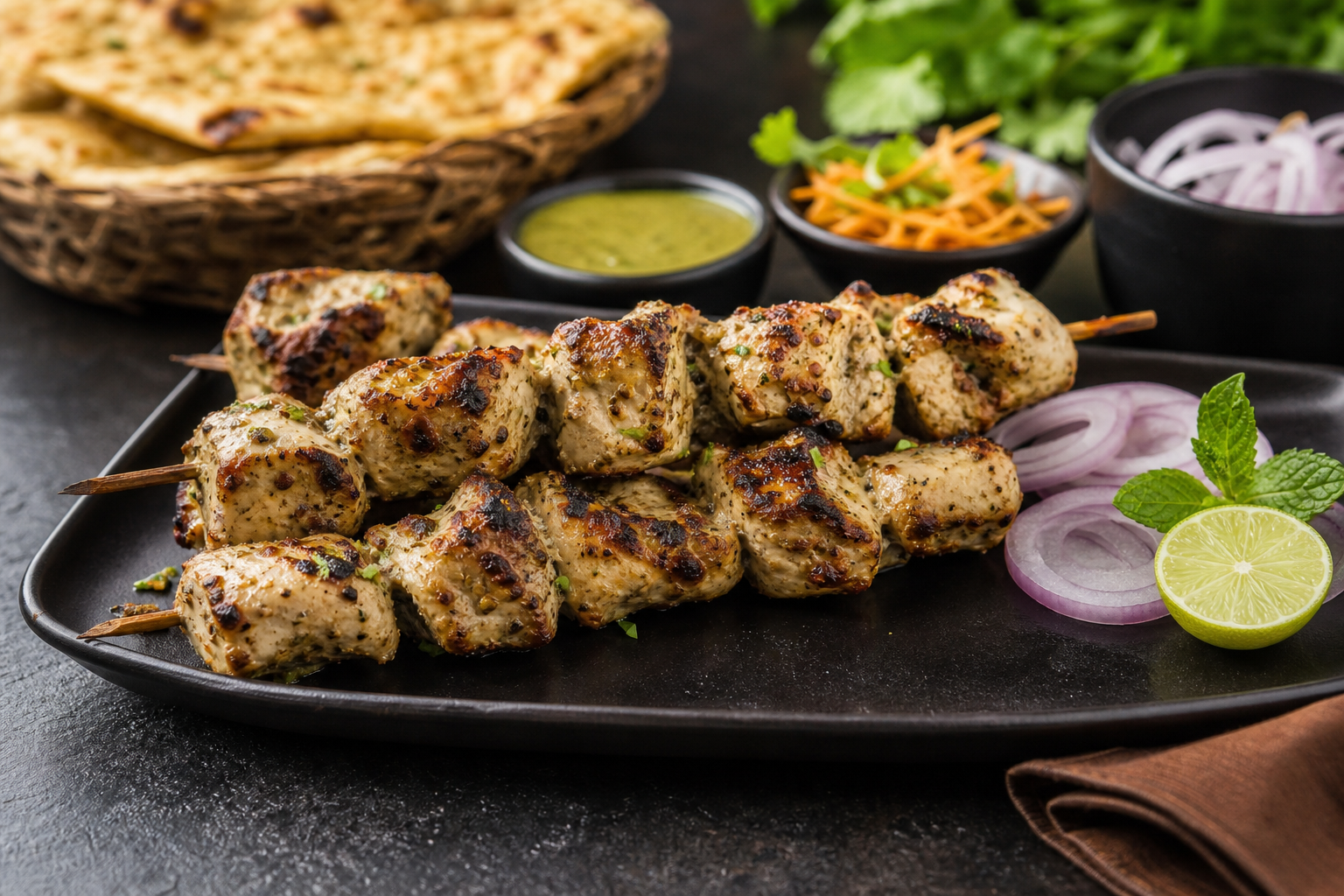
Which 7 mistakes should you avoid when selecting an Afghani chaap recipe?
If you plan to make Afghani chaap at home, vet recipes before you begin. Afghani chaap appears online in many forms, from creamy malai versions using soya sticks to grilled or tandoori interpretations that aim for a smoky finish. Use these seven focused questions as a checklist to choose a recipe that matches your ingredients, equipment, dietary needs, and the flavour target you want to reach.
How to use these seven checks
Read a recipe once for the full method, then scan it again while asking each question below. If a recipe fails one important check for you, either discard it or look for a variant that addresses the gap. For example, if you want a restaurant-style malai finish but only have a stovetop pan, pick a recipe that explicitly finishes chaap in a cream sauce rather than one that assumes a tandoor. For a local taste benchmark, consider sampling a version at Taste of Amritsar in Brampton, which lists Afghani chaap among its offerings and highlights imported masalas as a flavour reference.
Seven questions to ask before you choose an Afghani chaap recipe
1) Does the recipe say what type of chaap it uses: soya chaap, paneer, or meat?
Afghani chaap recipes come in vegetarian and nonvegetarian forms. Many modern home recipes use soya chaap sticks or mock-meat because they mimic the chewy texture and take marinades well. If the recipe does not name the chaap type, treat that as a problem. A reliable recipe will specify whether it is a soya chaap recipe, a paneer adaptation, or a meat-based version and will list portion sizes and any preparation required for that ingredient.
2) Are the marinade ingredients and marination time explicit?
Marinade balance matters more than flashy ingredients. Look for exact quantities of cream, malai, yogurt, or oil, and for a stated marination window. Short marination windows reduce flavour penetration, while very long windows can soften delicate mock-meat textures. A good recipe will tell you whether to marinate for 30 minutes, a few hours, or overnight, and will explain why that timing suits the chosen chaap type. If the recipe lists vague directions such as “marinate well,” plan to add at least one hour for soya chaap to ensure flavour.
3) Are the spices and masalas named clearly, or are they generic labels?
Recipes that list precise spices help you recreate authentic profiles. Prefer recipes that name Kashmiri chili for colour, garam masala for warmth, dried fenugreek or kasuri methi for that classic Afghani note, and black pepper for a gentle bite. If a recipe only says “masala” without detail, you will need to guess amounts and varieties. Restaurants and authentic kitchens often rely on imported masalas, which are an important benchmark to keep in mind when matching flavours at home.
4) Does the method suit your equipment: tandoor, oven, grill, or pan?
Techniques change the final texture. A tandoor or charcoal grill gives char and smokiness that oven broil and cast-iron pans approximate but do not fully replicate. Pick a recipe that offers alternate finish options, or choose one that matches the tools you have. If you do not have a grill, avoid recipes that depend on direct flame instructions without a clear stovetop or oven alternative. Good recipes will suggest broiling, searing in a very hot cast-iron pan, or a stovetop smoke infusion as substitutes and will note timing changes for each method.
5) Is there guidance on texture and doneness for the chosen chaap?
Texture cues are essential, especially for soya chaap. The recipe should describe how the finished product should feel, for example firm with a slight chew for soya, or gently yielding for paneer. If a recipe omits doneness or texture indicators, you risk overcooking and ending with rubbery or dry pieces. Prefer recipes that give visual and tactile checks, such as caramel colour, outer char, or internal springiness, and those that recommend resting or brief carryover cooking when relevant.
6) Does the recipe include finishing steps to add smoky or tandoori flavour?
Many Afghani chaap recipes finish with a malai cream sauce, a tempering of butter and spices, or a quick smoke infusion. A missing finishing step is a common reason home cooks feel a recipe tastes flat. If you want a smoky tandoori note but lack a grill, select a recipe that explains stovetop smoking with a foil-tight bowl and a small heated charcoal piece, or one that suggests smoked paprika or charred onion alternatives to compensate. Also check whether the recipe includes basting or glazing steps, since repeated basting with butter or cream builds the layered finish found in restaurant plates.
7) Are vegetarian, vegan, and allergy substitutions documented?
Good recipes tell you how swaps alter the dish. If you are vegan and the recipe calls for cream or malai, it should suggest coconut cream or a plant-based malai and note the expected flavour difference. If a recipe uses nut pastes for richness, it should offer an alternative for people with nut allergies. If no substitutions are listed, be prepared to test small changes and expect different textures and flavours; document your swap and reduce batch size for the first trial.
Where to source chaap, imported masalas, and substitutes in Brampton and the GTA

For ingredient sourcing, check local South Asian grocers and the frozen vegetarian sections for soya chaap sticks. Look for clear labels on spice blends, and prioritise individual spices such as Kashmiri chili powder, kasuri methi, and garam masala if imported blends are not available. When you cannot find a specific imported masala, buy the named whole spices and grind a small fresh blend at home to control freshness and heat. Use restaurants as sensory references: a local tasting lets you identify the balance of cream, spice, and smoke to aim for when shopping.
Method trade-offs: soya chaap recipes versus traditional approaches
Soya-based recipes are the most approachable for home cooks, and they are widely documented in online tutorials. The typical creamy Afghani soya chaap approach uses a rich dairy-based marinade and a gentle finish in malai to deliver a silky mouthfeel. Soya chaap absorbs flavours quickly and holds a chewy texture when not overcooked.
Paneer or vegetable adaptations offer a milder, fresher bite and will typically need gentler handling to avoid crumbling. Meat-based versions demand clearer timing for food safety and carryover cooking. Choose a soya-based recipe if you want a vegetarian result with chewy texture, shorter prep time, and easier sourcing. Choose paneer or vegetable adaptations for a lighter end result. Choose meat versions only if the recipe clearly explains cuts, marination times, and cooking safety for meat.
Troubleshooting texture and marinade problems
Spot these recipe weaknesses before you start. If the recipe gives no marination time, plan to add at least one hour for flavour. If the method leads straight to high heat and no basting, expect drier pieces and adjust by adding a butter or cream baste. If the recipe lacks finish notes, plan a small smoke infusion or a cream temper to round flavours.
Common specific fixes:
- Under-flavoured chaap: increase marination time or add a short, hot pan-sear to develop Maillard flavours.
- Rubbery soya chaap: reduce searing time and finish gently in sauce; avoid simmering at high heat for long periods.
- Flat malai finish: finish with a small knob of butter or a spoon of unsweetened cream to add sheen and mouthfeel.
- Missing smoke: use a stovetop smoke infusion or add a pinch of smoked paprika and charred onion paste sparingly.
Which recipe to pick for dietary needs or limited equipment

For vegans, look for recipes that replace dairy malai with coconut cream or cashew cream and that explicitly list how to make those swaps. For nut allergies, select recipes that avoid nut pastes for richness and that recommend sunflower seed paste, silken tofu, or extra creaminess from reduced coconut milk as alternatives. If you lack a tandoor, choose recipes that provide oven broil or cast-iron searing instructions and that explain how to generate smoke on the stovetop safely. Always prefer recipes that document how a swap affects timing and texture so you can plan for differences.
Test a trusted example and next steps to refine your pick
Two practical next steps will sharpen your selection. First, taste a local example to set your flavour and texture target. You can sample Afghani chaap at Taste of Amritsar in Brampton and note the balance of cream, spice, and smoke you prefer. Second, choose a recipe that passed the seven checks and run a small batch, using the checklist to judge the result and adjust the next attempt. For related first-party details, review A Practical Guide to Indian Chaat.
Quick pre-cook checklist before you begin
- Confirm the chaap type matches the recipe.
- Check marination ingredients and time are practical for your schedule.
- Verify spices are specific and available, or note acceptable substitutes.
- Match the finishing method to your equipment or pick a recipe with alternatives.
- Review texture cues and planned finishing steps to avoid rubbery or dry results.
- Note any allergy or dietary swaps and how they will change flavour and texture.
Frequently asked questions
Can I make Afghani chaap vegetarian and still get the same texture?
Yes. Soya chaap sticks are the most common vegetarian option and they deliver a chewy, meat-like bite when prepared correctly. Choose a recipe that specifies soya chaap preparation and includes texture cues, and avoid overcooking during searing and sauce steps.
What is the difference between Afghani soya chaap recipe variants and how should that affect my choice?
Variants differ in base ingredient, marination composition, and finish. A creamy malai style emphasizes dairy richness, while a tandoori-style version emphasizes char and smoke. Pick the variant that matches your equipment and dietary needs, and prefer recipes that state ingredient details and finishing options explicitly.
How long should I marinate chaap to get deep flavour without softening the texture too much?
Marination times vary by ingredient. For soya chaap, one to three hours is often enough to develop flavour without becoming overly soft. Denser meat alternatives may require longer. Good recipes state their recommended window and explain why, so follow that guidance when available.
Can I finish Afghani chaap without a tandoor and still get a smoky flavour?
Yes. You can approximate smokiness by broiling in the oven, searing in a hot cast-iron pan, or performing a stovetop smoke infusion with a small piece of lit charcoal under a covered bowl. Choose recipes that describe these alternatives or include smoked ingredients like smoked paprika or charred onion to add depth.
Key takeaway: Use these seven questions as a rapid filter. They will help you choose a recipe that suits your pantry, equipment, and flavour goals, and they reduce the risk of texture or flavour disappointments when you cook.
Reserve a tasting or learn more from the official website.



Leave A Comment