




Punjabi Dishes: Bold Flavors to Enjoy in 2026
Punjabi dishes are hearty, spice-forward foods from India’s Punjab, built on tandoori grilling, slow-simmered gravies, and stuffed breads like Amritsari kulcha. In Brampton’s 27 main st N area, Taste of Amritsar prepares these classics with imported masalas. They matter because they deliver bold flavor, comfort, and a shared sense of home.
By Harman Jaura · Last updated: 2026-07-03
Above-Fold: Hook, Promise, and What You’ll Learn
This complete guide to Punjabi dishes explains what defines Punjabi food, how tandoor cooking and real masalas shape flavor, which classics to try first, and how to order and pair like a local. You’ll also get Brampton-specific tips, chef insights, and a handy comparison table for home vs. tandoor cooking.
Punjabi food is big on flavor and community. If you’re new to the cuisine—or ready to go deeper—use this as your table-side coach at Taste of Amritsar.
- What Punjabi dishes are and why they taste so bold
- How tandoor heat (700–900°F) creates signature char and smoke
- 12+ essential dishes: kulchas, chaats, curries, tandoori platters
- Pairing tips for lassis, breads, sides, and chutneys
- Local pointers for dining in the 27 main st N area
- Chef-backed ordering strategies for groups and families
Want a quick look at our food? Explore the full selection on the Taste of Amritsar menu and browse our Indian cuisine category for more depth.
What Are Punjabi Dishes?
Punjabi dishes are the signature foods of India’s Punjab, known for layered spices, ghee- or butter-finished gravies, smoky tandoori meats and paneer, and stuffed breads like Amritsari kulcha. The cuisine balances richness with brightness from chutneys, onions, and pickles, delivering comfort and celebration in every bite.
At their core, Punjabi recipes rely on real masalas, slow cooking, and fresh breads. You’ll taste this in dal makhani simmered for hours, in paneer tikka kissed by live fire, and in chole whose spices bloom in hot oil before chickpeas join the pot.
- Signature technique: The clay tandoor reaches 700–900°F, searing and tenderizing quickly.
- Flavor baseline: Garam masala, cumin, coriander, turmeric, and kasuri methi (dried fenugreek) are common.
- Balance in a meal: A Punjabi spread often includes 6–9 components—bread or rice, 1–2 gravies, a dry item, salad, raita, and something tangy.
- Vegetarian depth: Many Punjabi favorites are naturally vegetarian, from paneer mains to hearty lentils.
We bring this balance to life at Taste of Amritsar using imported spices and traditional methods. For a guided browse, start with our menu highlights and peek at chef stories on the chef page.
Why Punjabi Dishes Matter (Heritage, Community, Comfort)
Punjabi dishes matter because they preserve culinary heritage, bring people together, and satisfy with bold, comforting flavors. In Brampton’s diverse food scene, authentic Punjabi cooking offers familiar warmth to some and delicious discovery to others—making it a community connector at the table.
Food is culture you can taste. Punjabi cooking celebrates harvests, hospitality, and togetherness. A single thali can showcase multiple cooking methods, textures, and spice levels—turning dinner into a shared experience.
- Heritage you can taste: Slow-simmered lentils, ghee-tempered spices, and tandoor char reflect centuries of craft.
- Taste-memory: The contrast of creamy gravies with crunchy pickles and raw onions creates memorable highs in every meal.
- Group-friendly: Platters, breads, and bowls are easy to pass and share—ideal for families and friend groups.
- Consistency: Core techniques (marination times of 4–8 hours, quick 60–90 second bread bakes) create reliable results.
Our guests in the 27 main st N area often tell us a simple mix—kulcha, chole, raita, and a sweet lassi—feels like home. If you’re planning a group dinner, our tasting menus category can help you decide quickly.
How Punjabi Cooking Works: Tandoor, Tadka, and Time
Punjabi cooking builds flavor in layers: marinate, sear in a super-hot tandoor or pan, then finish with tadka (spice tempering) or a final butter/ghee gloss. Heat management and timing matter—bread bakes in under 90 seconds, while dals and gravies can simmer gently for hours.
Here’s the backbone of the cuisine you’ll taste at Taste of Amritsar.
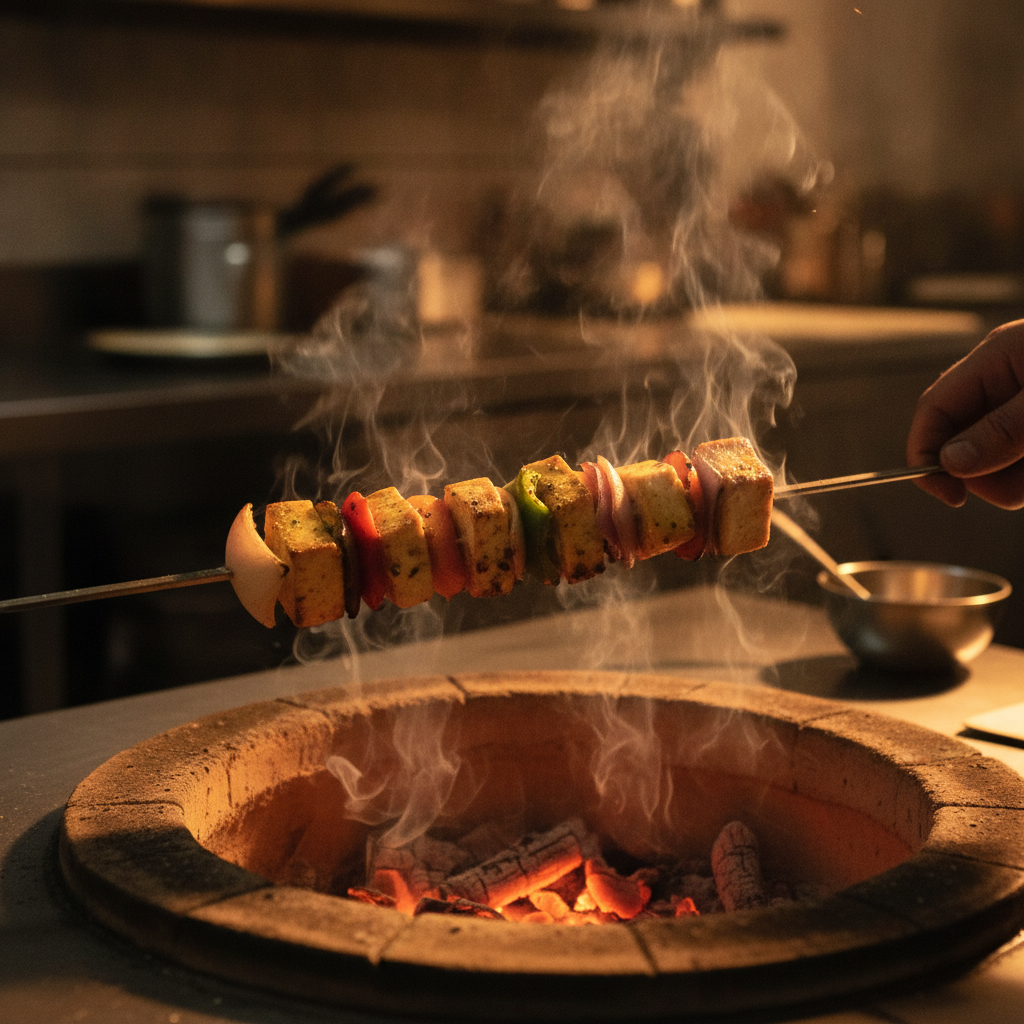
- Tandoor heat: Live-fire cooking at 700–900°F locks in juices, adds char, and infuses smoke in under 8–12 minutes for tikka.
- Marination window: Yogurt, ginger-garlic, and spice rubs work best over 4–8 hours for paneer and many proteins.
- Tadka (tempering): Blooming cumin, chili, and aromatics in hot ghee/oil releases oils and intensifies aroma in 30–60 seconds.
- Finishing touches: A knob of butter, kasuri methi, and lemon wedges brighten and round flavors.
Prefer to preview dishes before you dine? Skim our latest kitchen notes and then check the current menu.
Types of Punjabi Dishes (With 12 Must-Try Examples)
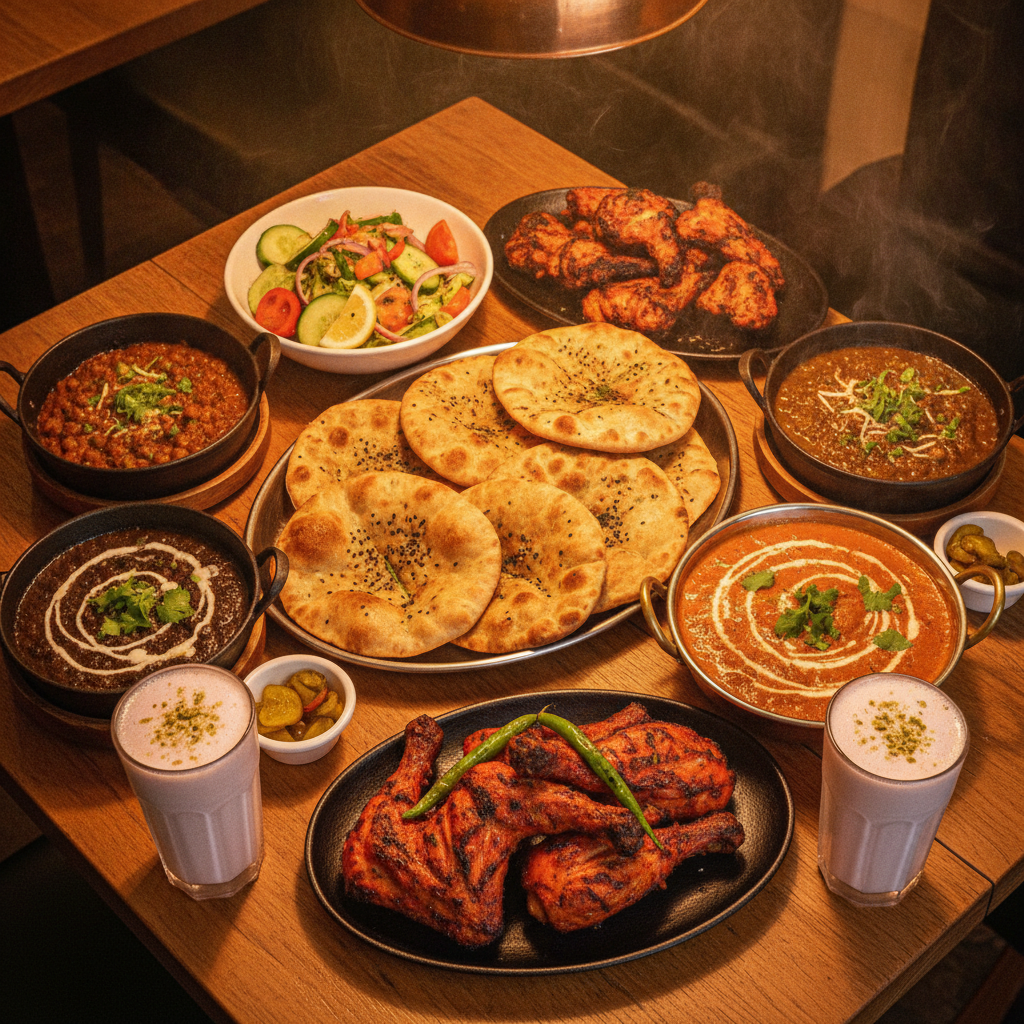
Punjabi dishes span breads, chaats, tandoori starters, and slow-cooked gravies. Start with Amritsari kulcha and chole, explore paneer tikka from the tandoor, and add a signature curry and dal. Balance with chutneys, salad, and a cooling lassi for a complete, craveable meal.
Use this list to plan a balanced table at Taste of Amritsar. We grouped classics by how they play together so your spread hits comfort and contrast.
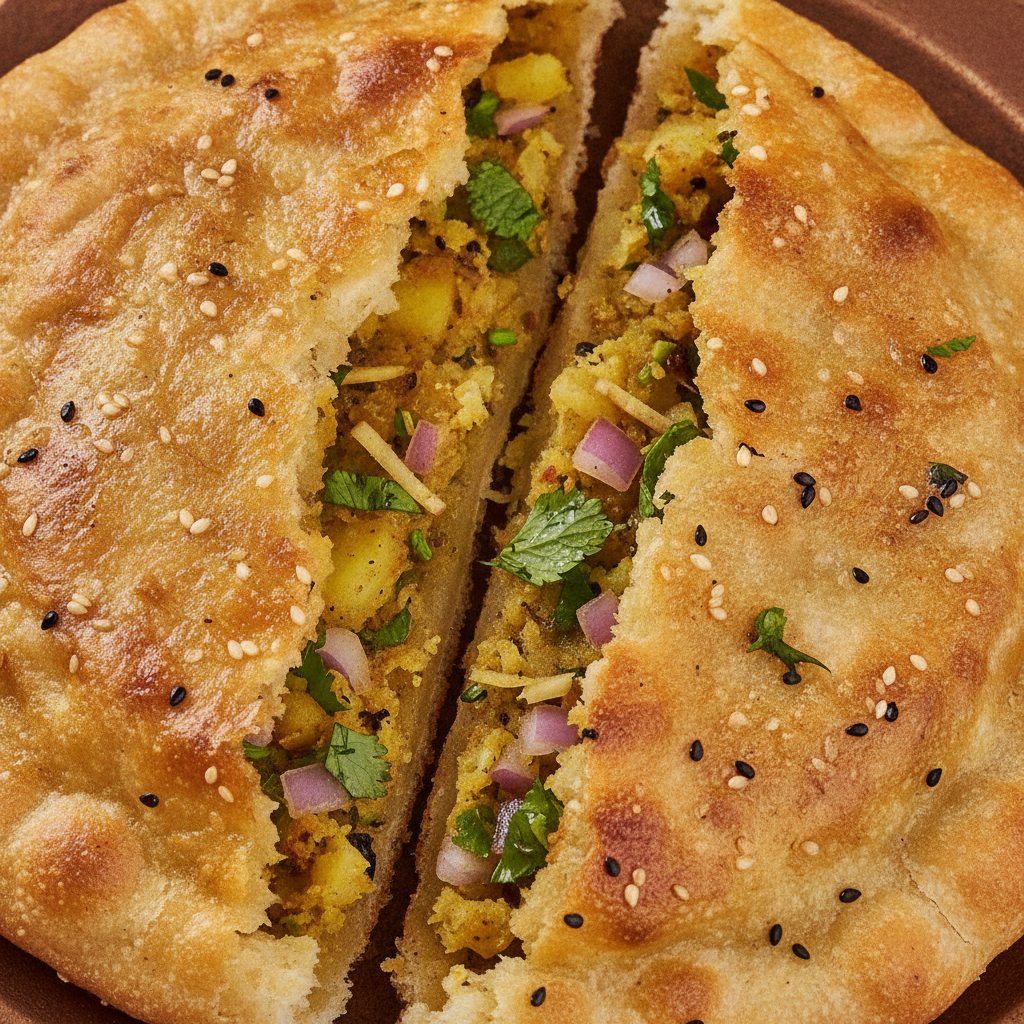
- Amritsari Kulcha + Chole: Stuffed bread with a crisp, blistered exterior; chickpea curry adds hearty depth. Typical bake time: 60–90 seconds in a hot tandoor or clay oven.
- Nutri Kulcha: Soya protein “nutri” with spices served alongside kulcha—high on protein and texture contrast.
- Chole Bhature: Puffy fried bread with spiced chickpeas; tangy onions and pickles cut through richness for balance.
- Street-Style Chaat: Crunchy, tangy, and sweet with yogurt and chutneys; a great starter to wake up the palate.
- Paneer Tikka: Marinated paneer cubes skewered with peppers and onions; 8–12 minutes in the tandoor delivers char and smoke.
- Afghani Chaap: Creamy, mildly spiced soya chaap that’s lush yet gentle—ideal for spice-sensitive diners.
- Malai Tikka: “Malai” means cream—this tikka style trades heat for buttery tenderness and subtle spice.
- Signature Curry (e.g., Butter Chicken): Tomato-butter gravy with a gentle smoky note; fenugreek adds aroma in the final minute.
- Dal Makhani: Black lentils and kidney beans simmered slowly; 2–4 hours of gentle cooking builds a creamy body.
- Tandoori Roti: Whole-wheat roti slapped onto hot tandoor walls; charred blisters and chew in under 60 seconds.
- Mathi Chole: Crisp mathi (savory crackers) paired with chickpeas—crunch meets comfort.
- Lassis (Sweet or Masala): Yogurt-based drinks that cool the palate; a 10–12 ounce glass is a smart heat-tamer between bites.
Curious how our team sequences a meal? See rotating sets in our tasting menus and read chef notes on the chef page.
Best Practices: How to Order, Pair, and Share
Build your Punjabi meal around contrast. Pair a stuffed bread or roti with one dry tandoori item and one gravy, then add a tangy chutney and a cooling lassi. For groups, order 1 platter per 3–4 guests and 1–2 breads per person for a smooth, shareable flow.
Small adjustments change everything. Use this checklist to order with confidence at Taste of Amritsar.
- Start with texture: Choose 1 crisp item (chaat or tikka) and 1 creamy item (dal or signature curry).
- Anchor with bread: Plan 1–2 kulchas or rotis per guest; kulcha richness pairs well with a bright salad or lemon wedges.
- Balance heat: Counter spicy tikka with yogurt raita or a sweet lassi; aim for a 2:1 savory-to-cooling ratio.
- Share smart: Family-style works best—platters sized for 3–4 keep tables tidy and conversations flowing.
- Add a finisher: A few sips of lassi between bites refresh your palate and reset perception of spice.
If you like to plan ahead, browse our menu online, then reserve your preferred time via our service page.
Tandoor vs. Home Oven or Grill (Process Table)
A restaurant tandoor reaches 700–900°F and cooks tikka in 8–12 minutes with deep char and smoke. Home ovens and grills run cooler, so increase marination and finish with a quick broil or high-heat sear to mimic the tandoor’s caramelization and aroma.
| Method | Typical Temp | Paneer Tikka Time | Flavor & Texture Notes |
|---|---|---|---|
| Tandoor (restaurant) | 700–900°F | 8–12 minutes | Intense char, gentle smoke, juicy interior; fastest, most authentic result. |
| Home Oven (broil) | 500–550°F | 14–18 minutes | Good browning; rotate once, then finish with 1–2 minute broil for color. |
| Outdoor Grill | 500–650°F (direct) | 12–16 minutes | Nice grill marks and light smoke; watch for flare-ups to avoid dryness. |
Even with a home setup, you can get close. Increase marination toward 8 hours, baste with butter midway, and rest skewers 2 minutes to reabsorb juices. For the real-deal char, our tandoor-fired starters are ready when you are—see the tandoori section.
Tools and Resources (For Curious Diners and Home Cooks)
You don’t need chef gear to enjoy Punjabi dishes. As a diner, bring curiosity and an appetite for sharing. At home, a heavy pan, broiler, and a basic spice kit cover 80% of recipes; a clay tandoor simply adds live-fire depth and speed.
Two paths, same destination: great flavor.
- For diners: Skim the menu, note 2–3 must-tries, and plan 1 bread per person. Tell your server if you prefer mild, medium, or hot.
- For home cooks: A skillet, sheet pan, broiler, and instant-read thermometer (aim for ~165°F in meats) go far. Bloom spices 30–60 seconds for max aroma.
- Reference reads: For plate composition ideas, see this Punjabi thali guide. For starter inspiration, browse a paneer pakora walkthrough and a samosa/pakora overview.
Want our team’s inside take on spice balance and pairings? Read stories from the kitchen on our chef page and explore the cuisine hub.
Mini Case Examples: Real Orders That Work
Great Punjabi meals balance rich, tangy, and fresh. Three real-world sets below show how families and friend groups in Brampton combine kulchas, tandoori starters, and gravies at Taste of Amritsar for a satisfying, shareable spread.
In our experience serving the 27 main st N neighborhood, the following combos hit the mark for different group sizes and heat preferences.
- Family of 4 (mild-medium): Amritsari kulcha + chole, malai tikka, dal makhani, salad/onions, and sweet lassi. Expect 6–8 distinct textures across the table.
- Friends Night (medium-hot): Paneer tikka, street-style chaat, butter chicken or a signature curry, tandoori roti, masala lassi. Add lemon wedges to sharpen flavors.
- Vegetarian Spotlight: Nutri kulcha, Afghani chaap, dal makhani, mixed salad, masala lassi. Protein, cream, crunch, and tang—balanced in four moves.
Ready to plan your visit? Reserve your table in minutes via our service page and browse Chef’s tips in our blog list.
Local considerations for 27 main st N
- Weeknights are calmer for family dining; plan group gatherings earlier in the evening for quick seating.
- Winter appetites run bigger; consider an extra dal or curry per table to keep everyone warm and satisfied.
- Tell us your spice comfort upfront; our team adjusts heat and chutney pairings to match your preference.
Planning a get-together? We’ll help you build a balanced Punjabi spread—fast. Share your must-haves, and we’ll suggest an order that keeps flavor, texture, and heat in sync.
Book your table or preview the menu now.
Frequently Asked Questions
Common questions about Punjabi dishes focus on heat levels, vegetarian options, and how to pair breads, gravies, and lassis. Below are crisp answers our Brampton guests ask most often, tailored to ordering at Taste of Amritsar for a seamless, flavorful meal.
Are Punjabi dishes very spicy?
They range from mild to hot. Many classics—malai tikka, dal makhani, butter chicken—are gentle and creamy. If you prefer heat, ask for medium-hot tikka or extra-green chili chutney. Tell our team your spice comfort; we’ll match sauces and chutneys accordingly.
What should I order first if I’m new to Punjabi food?
Start with Amritsari kulcha and chole for the bread-curry combo, add paneer tikka from the tandoor for smoke and char, and finish with dal makhani or a signature curry. A sweet lassi cools and resets your palate between bites.
Are there good vegetarian Punjabi options?
Absolutely. Many Punjabi favorites are vegetarian by design: Amritsari kulcha, chole bhature, paneer tikka, dal makhani, nutri kulcha, and street-style chaat. Combine one tandoori starter, one gravy, and a bread for variety and balance.
How do lassis fit into a Punjabi meal?
Lassis are yogurt-based drinks that cool the palate. Sweet lassi pairs with spicy tikkas and chaats, while masala lassi complements richer gravies like dal makhani. Sip between bites to keep spices lively rather than overwhelming.
Key Takeaways
Punjabi dishes shine when you mix textures, heat levels, and fresh accents. Pick one bread, one tandoori starter, and one gravy, then add chutney brightness and a lassi. In Brampton’s 27 main st N area, Taste of Amritsar brings these elements together with imported masalas and time-honored technique.
- Build contrast: crisp + creamy + tangy + fresh.
- Tandoor speed: tikka in 8–12 minutes; breads in 60–90 seconds.
- Plan portions: 1–2 breads per person; 1 platter per 3–4 guests.
- Cool and reset with a 10–12 oz lassi between bites.
- Preview options on the menu and reserve via the service page.
Conclusion: Your Next Punjabi Meal, Planned
Punjabi dishes are bold yet balanced—smoky tandoori starters, comforting gravies, fresh salads, and cooling lassis. With a few smart choices, anyone can order like a local. At Taste of Amritsar near 27 main st N, we’re ready to craft that balance for your table tonight.
Ready when you are. Skim the menu, pick one bread, one tandoori, and one gravy, and tell us your spice comfort. We’ll handle the rest with imported masalas and classic technique.
Reserve your table: Book a comfortable time in the 27 main st N area on our service page. Bring friends—Punjabi food tastes best when shared.


Leave A Comment