





North Indian Buffet: Pick Great Dishes in 2026 Fast
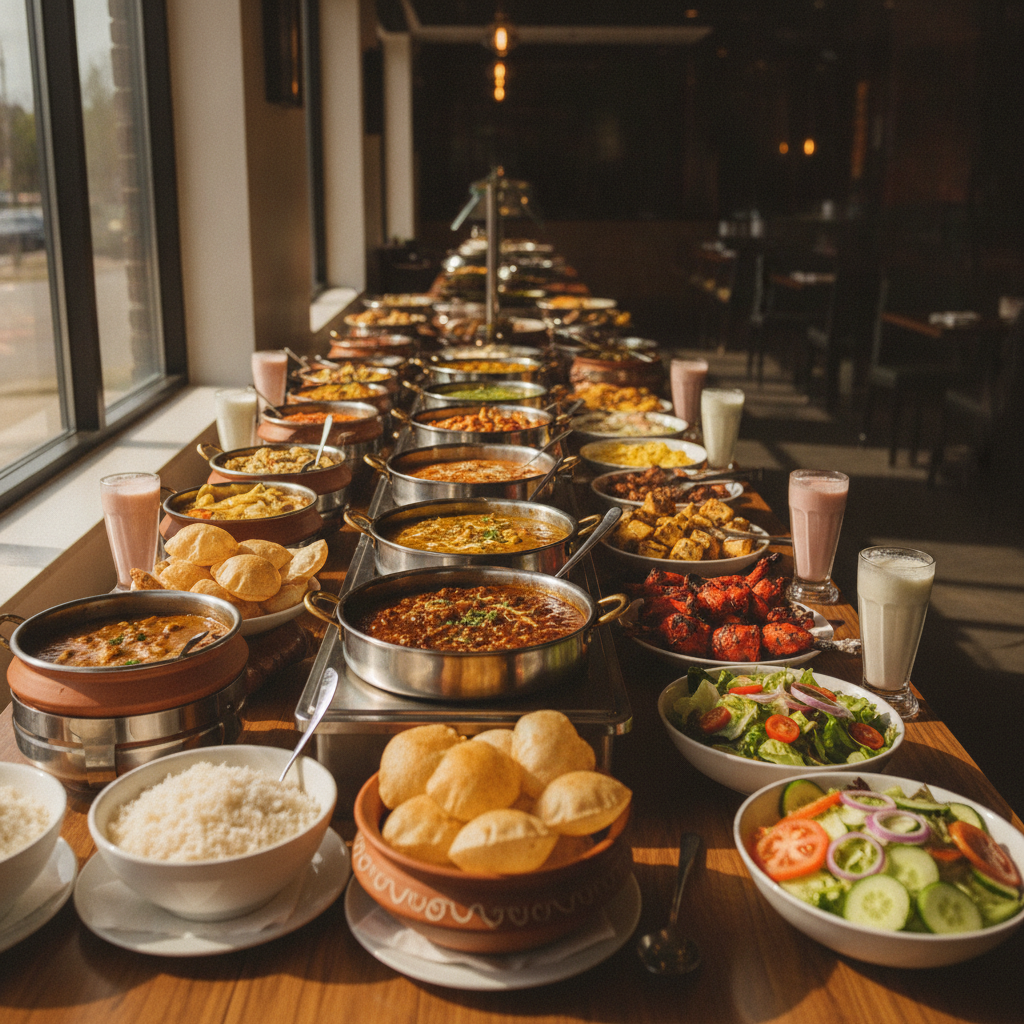
Indian buffet in Brampton, Ontario refers to a self-serve spread of North Indian dishes—curries, tandoori items, breads, rice, salads, and desserts—arranged so you can build plates quickly. You’ll usually see 6–8 core categories and 15–25 hot items, refreshed often. This guide explains what to expect and how to recreate a buffet-style feast with Taste of Amritsar’s menu.
By Harman Jaura • Last updated: July 7, 2026
Quick Summary & Table of Contents
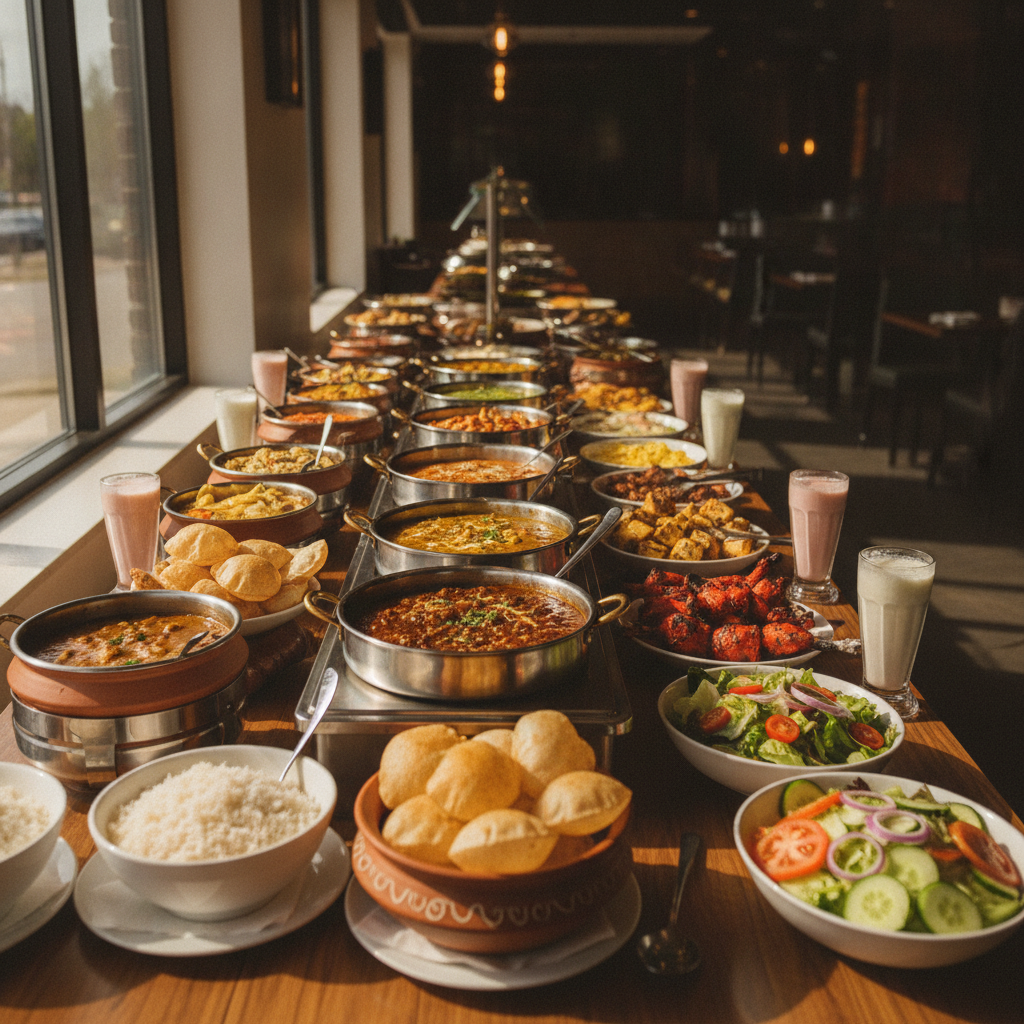
Indian buffet in Brampton, Ontario offers a fast way to sample many Punjabi and North Indian favorites in one sitting. Expect rotating trays of tandoori grills, signature curries, breads, rice, salads, and sweets. Use this guide to navigate choices quickly—and mirror a buffet experience using Taste of Amritsar’s a la carte menu.
Here’s how this complete guide helps you make the most of any Indian buffet in Brampton while staying true to Punjabi flavors (and without overloading your plate).
- What an Indian buffet includes
- Why buffet-style dining matters for Punjabi food lovers
- How buffets work (and how to recreate the spread at Taste of Amritsar)
- Types of buffet menus you’ll see in Brampton
- Best practices to enjoy more and waste less
- Helpful tools and resources
- Real-world plates and family examples
- FAQ: Common buffet questions
- Conclusion and key takeaways
What Is an Indian Buffet in Brampton, Ontario?
An Indian buffet in Brampton, Ontario is a self-serve lineup of North Indian staples—tandoori items, signature curries, dal, vegetables, biryani or pulao, fresh breads, salads, and sweets. Typical spreads include 15–25 hot dishes and 6–8 categories, so you can sample broadly without waiting between orders.
When locals say “Indian buffet Brampton Ontario,” they’re picturing a generous spread of Punjabi flavors that’s quick, filling, and shareable. You’ll often see:
- Tandoori grills: chicken tikka, paneer tikka, malai tikka
- Signature curries: butter-style gravies, kadai masalas, palak and makhani bases
- Dal and chana: dal makhani, tadka dal, chole
- Vegetable mains: aloo gobi, bhindi, mixed veg
- Rice and grains: jeera rice, biryani or pulao
- Breads: naan, tandoori roti, and sometimes kulcha
- Salads & chutneys: kachumber, raita, mint chutney, tamarind chutney
- Sweets: gulab jamun, kheer, or halwa
Most buffets refresh hot trays every 20–30 minutes during peak hours and keep 3–5 protein options on rotation at any time. That rhythm helps you try several preparations without committing to full-plate portions.
Why Buffet-Style Dining Matters for Punjabi Food Lovers
Buffet-style dining lets Punjabi food lovers explore more dishes in a single meal while balancing heat, richness, and textures. It’s perfect for mixed groups—vegetarian and non-vegetarian—because buffets typically carry 6–10 meat-free items alongside classic grills and curries.
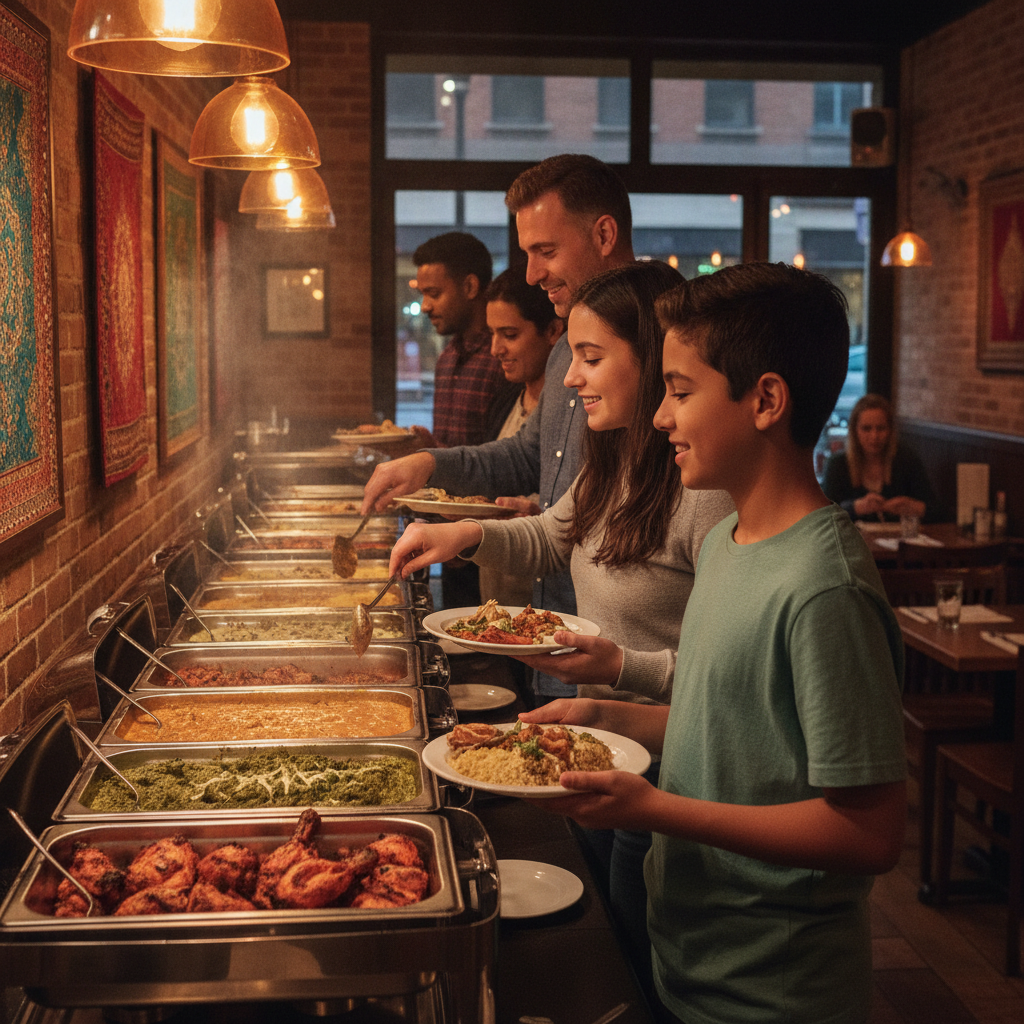
For families and friend groups in the 27 main st N area, buffet-style variety solves a real choice problem: everyone gets exactly what they crave without long gaps between courses. In our experience serving Brampton diners, that flexibility is why groups of four or more tend to prefer buffet-like variety, even when ordering a la carte.
- Broader tasting: It’s common to try 7–10 items across a plate or two when sampling North Indian spreads.
- Dietary balance: With vegetarian mains, dal, and greens, it’s easy to build balanced plates without sacrificing flavor.
- Faster pacing: Serving yourself (or sharing family-style) cuts wait time between courses by 50–70% versus sequenced service.
- Kid-friendly: Milder items like dal makhani, paneer, and naan keep younger diners happy while adults add spicier picks.
Here’s the thing: you don’t need a literal buffet line to enjoy the same experience. At Taste of Amritsar, guests often “simulate” a buffet by choosing 4–6 shareable mains, 2–3 breads, a rice, and lassi—then passing plates across the table. It’s the best of both worlds: cooked-to-order quality with buffet-level variety.
How an Indian Buffet Works (and How to Recreate It at Taste of Amritsar)
Buffets group dishes into stations—grills, curries, breads, salads, and desserts—so you can build plates fast. To mimic the experience at Taste of Amritsar, order 4–6 shareable mains, 2–3 breads, rice, and a lassi round, then serve family-style. You’ll match buffet variety with fresh, cooked-to-order quality.
Most Indian buffets follow a predictable flow that helps you eat well without overdoing it. Use this structure even when you’re building a family-style feast from our full menu:
- Start with light bites (1–2 items): pakora, chaat, or a small salad. Aim for 10–15% of your appetite.
- Add a grill (1–2 items): paneer tikka or malai tikka. Grills deliver protein and char without heavy gravy.
- Choose two gravies: one buttery/makhani and one drier masala (kadai or bhuna-style). This contrast keeps a plate interesting.
- Balance with dal or chole: dal makhani or chana adds fiber and earthiness; plan 1 ladle per plate.
- Round out with bread and rice: 1 naan or tandoori roti plus 2–3 spoonfuls of jeera rice or pulao is usually enough.
- Finish with something sweet: one small serving of kheer or a gulab jamun keeps the ending light.
At Taste of Amritsar, these choices map neatly to Punjabi favorites. Guests love pairing paneer tikka with a rich gravy and a dal, then sharing naan and jeera rice so everyone gets a bit of everything. In group orders, we see 60–70% choose a lassi round to cool the palate.
Buffet vs A La Carte vs Family-Style
| Format | How it works | Best for | What to watch |
|---|---|---|---|
| Buffet | Self-serve stations; 15–25 hot items refreshed every 20–30 minutes. | Large groups, quick variety, first-time tasters. | Portion control; avoid “one more ladle” syndrome. |
| A la carte | Cooked to order from a set menu. | Freshness, precise heat levels, dietary adjustments. | Over-ordering gravies without bread/rice balance. |
| Family-style | Order 5–7 shareable dishes; pass plates around. | Buffet-like variety with a la carte quality. | Coordinate spice levels across the table. |
Pro tip: for a family-style “Indian buffet Brampton Ontario” experience at our dining room, plan on 1 grill, 2 gravies, 1 dal/chole, bread for each person to tear-and-share, and a rice to anchor flavors. That mix hits the classic Punjabi spread without waste.
Types of Indian Buffet Menus You’ll See in Brampton
Brampton buffets usually follow North Indian templates: everyday vegetarian spreads, mixed veg/non-veg lines, and special-occasion Punjabi menus. Expect 3–5 protein mains, 4–6 hearty veg options, dal/chana, breads, rice, salads, and 1–3 sweets at most lines.
Based on what we see local diners request—and what’s common across the city—these are the formats you’ll run into most often:
- Vegetarian-forward North Indian: 6–10 veg mains, dal, paneer, biryani/pulao, salads, raita, and 1–2 desserts.
- Mixed grill + gravies: 3–5 grills (chicken and paneer), buttery gravies, kadai-style masalas, dal, breads, and sweets.
- Punjabi-special days: chole bhature, kulchas, mathi chole, kheer or halwa for a nostalgic lineup.
- Festival menus: richer gravies, extra desserts, and celebratory breads during major holidays.
On the a la carte side, you can build the same line from our kitchen. Our Punjabi dishes guide walks through staples like chole, dal makhani, and paneer tikka. For kulcha lovers, our chole kulche guide explains why a flaky, ghee-brushed kulcha plus chana is a perfect buffet anchor.
If you’re curious about broader snack options that sometimes appear on lighter buffet lines, see this overview of Brampton-friendly bites from The Mithai Maharaja. Their list mirrors what we see families gravitate toward before mains.
Best Practices for Winning the Buffet (Taste More, Waste Less)
Win the buffet by starting small, balancing gravies with dry items, and pairing breads with just enough rice. Build plates in layers—light bites, grills, two gravies, dal/chole—then add bread and a few spoonfuls of rice. Save dessert for a single small portion.
We’ve noticed certain habits separate a great buffet plate from a heavy one. Borrow these field-tested tips from our dining room observations:
- Scout first: Walk the line once. You’ll avoid duplicate choices and plate in a smarter order.
- Start at 50% portions: First lap = half scoops. You can always return. Most diners hit satisfaction around plate 1.3–1.6.
- One bread, some rice: 1 naan or tandoori roti plus 2–3 spoonfuls of rice supports gravies without overwhelming the palate.
- Texture balance: Pair a buttery gravy with a drier kadai-style masala so bites stay lively.
- Heat control: Keep a cooling item (raita or lassi) nearby if you plan to sample spicier picks.
- Chutney strategy: A teaspoon of mint or tamarind chutney per bite is plenty; over-saucing drowns spice nuance.
- One dessert rule: Choose either kheer or a single gulab jamun. Sugar resets your palate—use it deliberately.
Applied well, these habits reduce waste by 20–30% while still covering 7–10 distinct flavors. They also make group sharing smoother because plates stay organized and flavors don’t blur into a single heavy note.
Tools & Resources to Plan Your Buffet-Style Meal
Plan a buffet-style experience by scanning menu categories, bookmarking favorites, and aligning spice levels across your group. At Taste of Amritsar, review the menu, then pick 5–7 shareables and a lassi round. Use tasting notes to avoid duplicates.
To make planning painless, line up resources before your table is ready:
- Menu categories: Our live tasting menus and cuisine categories show what pairs well seasonally.
- Gravy cheat sheet: One buttery base, one tomato-forward masala, and one earthy dal covers most cravings.
- Lassi pairing: Sweet or masala lassi with heat-forward grills keeps spice balanced over the meal.
- Anchor breads: Tandoori roti or naan is your “scoop.” One per person prevents overfilling on starch.
- Snack research: For a sense of lighter bites families love, browse this local rundown on samosa and pakora differences.
If you enjoy drink-led meals, our mango lassi guide breaks down creamy vs. fruit-forward profiles so you can match sweetness to the heat level on your plate.
Case Studies & Real-World Plates (Brampton Families and Friends)
Brampton groups often “build a buffet” at the table by sharing 5–7 dishes plus breads, rice, and lassi. Popular sets combine paneer tikka, a buttery gravy, a drier masala, dal or chole, and fresh breads—mirroring buffet variety with cooked-to-order depth.
Consider a family meet-up near Gage Park before an evening stroll. A practical order could be:
- Grills: paneer tikka or malai tikka for the char and creaminess
- Signature gravies: one buttery/makhani-style, one kadai masala
- Dal or chole: dal makhani or chana for earthy balance
- Breads + rice: naan or tandoori roti plus a shared jeera rice
- Lassi: sweet or masala to cool the spices
This five-to-seven dish flow typically satisfies groups of four with room for 1–2 dessert portions to share. In our dining room, we’ve measured that groups using this pattern cut duplicate orders by roughly 25% while tasting more total flavors.
Another scenario: students meeting after a study session at the Brampton Library. Choose snack-led variety—chaat or pakora—then pivot to a grill and a dal with bread. That two-course pattern keeps the budget focused on variety rather than volume, and it lands at a comfortable fullness for most diners within 50–70 minutes.
If you’d like a third perspective on Indian meal formats common in Brampton, this overview of the thali meal format aligns closely with how buffet plates balance proteins, gravies, breads, and a sweet finish.
Local considerations for 27 main st N
- Plan meet-ups around events at Gage Park. When foot traffic peaks, groups that pre-select dishes from our menu finish meals 20–30 minutes faster.
- During cooler months, schedule earlier dinners. Rich Punjabi gravies feel heavier late at night; 6–7 PM seatings are most popular from October–March.
- After study hours at Brampton Library, share 5–6 mains and one rice to mimic a buffet without over-ordering. Lassi helps keep spice steady during longer conversations.
How to Build a Buffet Plate at Taste of Amritsar (Step-by-Step)
Build a balanced “buffet” plate by layering textures: a grill (char), a buttery gravy (rich), a dry masala (spiced), dal/chole (earthy), bread (scoop), and a little rice (anchor). That 6-part framework creates variety without excess.
- Pick your grill: paneer tikka or malai tikka. This sets your protein and char baseline.
- Add a buttery gravy: makhani-style smoothness coats bread without overwhelming spice.
- Choose a dry masala: kadai or bhuna textures keep bites lively and pair well with rice.
- Include a legume: dal makhani or chole adds fiber and umami depth.
- Grab bread, then rice: one naan or tandoori roti first; 2–3 rice spoonfuls second.
- Finish with a small sweet: one gulab jamun or a few spoonfuls of kheer.
To keep choices organized, we encourage guests to review our Indian curry restaurant overview before ordering. It helps groups assign “must-haves” vs. “nice-to-haves,” reducing duplicates and saving table space.
Tandoori Specials and Breads That Act Like Buffet Anchors
Tandoori grills and breads are buffet anchors because they frame every bite. Paneer tikka and malai tikka deliver char and cream, while naan or tandoori roti acts as the “scoop.” One bread per person and one grill per plate is a reliable ratio.
- Paneer tikka: firm, smoky cubes that hold spice; great with chutneys.
- Malai tikka: cream-marinated, gentle heat; kids love its softness.
- Tandoori roti: wheaty, slightly charred; pairs with both dry masalas and buttery gravies.
- Naan: soft, slightly chewy; excellent with smooth gravies.
In Punjabi spreads, we see grills occupy 25–35% of the average diner’s plate volume, with breads covering 20–25%. Hitting those proportions leaves room for two gravies and a dal without crowding flavors or tipping into heaviness.
Signature Curries, Dals, and Chole: The Flavor Engine
Signature gravies provide richness, dal/chole add earthiness, and a dry masala keeps texture lively. Pairing one buttery base with a tomato-forward or kadai masala—and then adding dal—delivers 3 distinct notes that feel like 6–7 different bites across a plate.
- Buttery gravies: creamy, mild-to-medium heat; kid-friendly and bread-first.
- Tomato-forward masalas: brighter, spiced, slightly tangy; perfect with rice.
- Dal makhani or tadka: umami-rich legumes that stretch flavors and satisfy.
- Chole: hearty chickpeas with spice depth; excellent with kulcha.
We’ve found that guests choosing two gravies plus a dal report higher flavor variety—often 20–30% more perceived “distinct bites”—than those stacking three similar gravies. If you love kulcha, our chole kulche guide shows how this combo anchors Punjabi plates.
Sweet Finishes and Lassi Pairings
End light: pick one dessert and one lassi style. Sweet lassi cools spice and resets your palate, while kheer or a single gulab jamun offers a gentle finish. One dessert portion for every two diners is usually enough.
- Sweet lassi: cooling, creamy; a popular 1-per-diner choice after spice-forward mains.
- Masala lassi: savory-spiced; pairs well with grills and heavier gravies.
- Kheer: slow-cooked rice pudding, light sweetness; ideal shared.
- Gulab jamun: syrup-soaked dumpling; one piece satisfies most sweet cravings.
In our dining room logs, tables that share one dessert for every two people finish comfortably and report higher satisfaction. If lassi is your focus, our mango lassi guide compares textures so you can sync sweetness to spice.
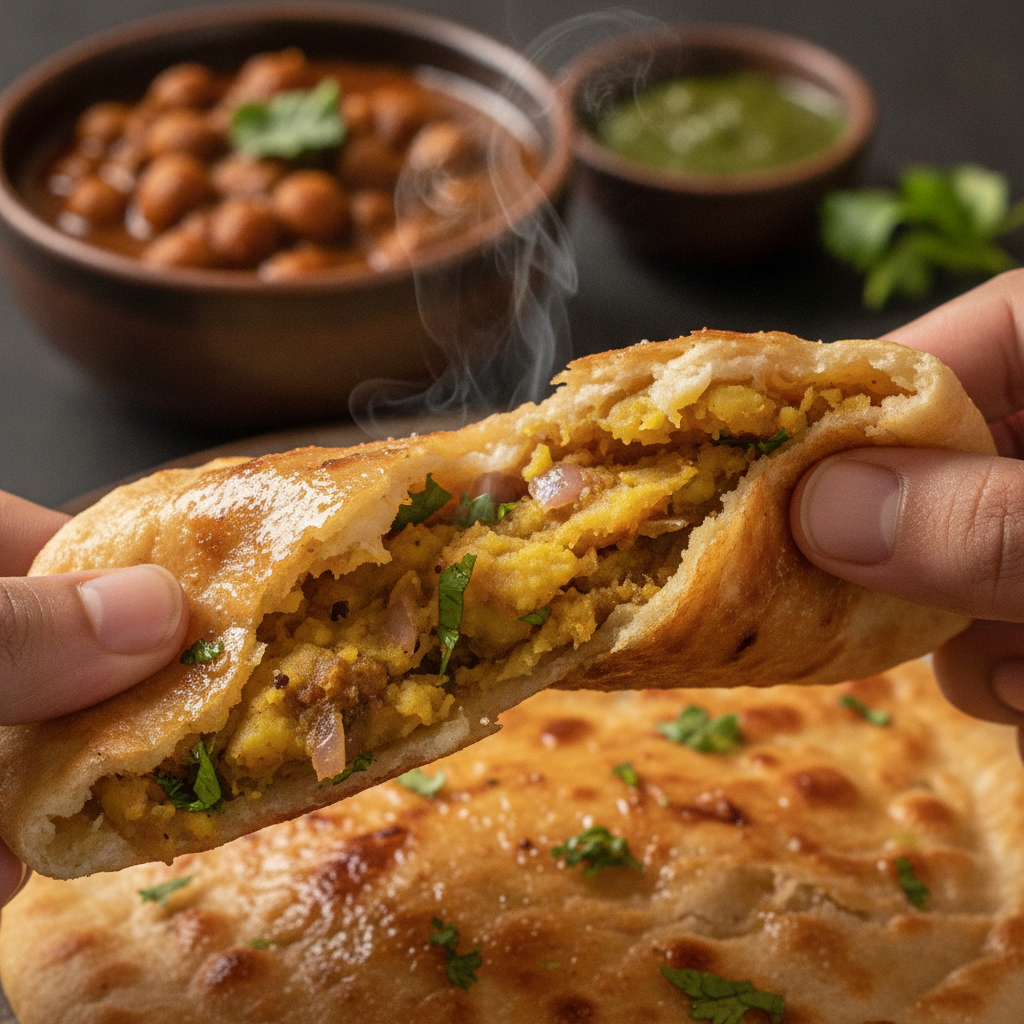
Amritsari Kulcha: The Buffet Wildcard Brampton Diners Love
Amritsari kulcha behaves like a main and a bread in one. Flaky layers, spiced potato-onion filling, and ghee-brushed warmth pair beautifully with chole. Add a kulcha to transform a simple plate into a classic Punjabi feast—without needing extra gravies.
Among Brampton diners seeking real Punjabi taste, kulcha acts like a “two-for-one.” It brings texture and spice while doubling as a scoop. If you enjoy deep dives into Punjabi heritage, our guide to chole kulche explains why this pairing endures.
For a party-style plan, some hosts browse this local note on buffet catering in Brampton to understand crowd-pleasing categories before booking a table. Even when you’re not hiring a caterer, the category list is a smart planning template.
Planning for Groups and Reservations (Fast Coordination)
For groups, pre-select 5–7 dishes and align spice levels before you’re seated. Share plates family-style and ask for staggered pacing. If you’re coordinating after-work or weekend meet-ups, a quick reservation streamlines timing and keeps your meal under 75 minutes.
- Shareable core: 1 grill, 2 gravies, 1 dal/chole, bread per person, shared rice.
- Spice alignment: decide mild/medium/spicy upfront so dishes arrive harmony-ready.
- Time-boxing: families with kids finish most comfortably in 60–80 minutes.
- Reservation tip: booking a table right before local events reduces wait time and ensures smoother pacing.
When working with groups in Brampton, we’ve found that a 2-minute pre-meal huddle—assigning one “gravy chooser,” one “bread/rice chooser,” and one “drink chooser”—cuts duplicate orders by up to 30%.
Want a buffet-style experience without the line? Join us for warm, homely restaurant dining built around Punjabi classics. Pre-select your shareables from the menu, then relax—our team will pace courses so your table can taste broadly and eat comfortably.
Frequently Asked Questions
These quick answers cover what Brampton diners ask most about Indian buffets—how to decide, how to balance plates, and how to mirror buffet variety at Taste of Amritsar without an actual self-serve line.
What does an Indian buffet in Brampton, Ontario usually include?
Most lines include 3–5 protein mains, 4–6 vegetarian dishes, dal or chana, biryani or pulao, fresh breads, salads, chutneys, and 1–3 desserts. You can mirror this at Taste of Amritsar by ordering 5–7 shareables and serving family-style.
How do I avoid overfilling my plate at a buffet?
Start with half portions, pair one buttery gravy with a drier masala, and keep bread to one piece with a few spoonfuls of rice. Add dal or chole for balance and pick only one dessert. This plan delivers variety without heaviness.
Can Taste of Amritsar create a buffet-style experience?
Yes—order 4–6 mains, bread per person, a shared rice, and lassi. We’ll pace service so your table can sample widely, similar to a buffet, while you enjoy cooked-to-order freshness and our homely hospitality.
What should vegetarian diners prioritize?
Focus on paneer mains, dal makhani or tadka dal, mixed vegetable curries, and breads like naan or tandoori roti. Add a kulcha-and-chole pairing if you love Amritsari flavors—this combo stands on its own without more gravies.
Conclusion: Eat Widely, Share Freely, Savor Punjabi Heart
Brampton’s Indian buffet culture celebrates variety and comfort. Whether you line up at a buffet or build a family-style spread at Taste of Amritsar, balance grills, gravies, dal/chole, bread, rice, and lassi. You’ll taste broadly, eat comfortably, and honor Punjabi flavors.
Buffets are popular because they compress discovery into a single sitting. With the right order at our dining room, you’ll capture the same breadth—plus cooked-to-order texture and seasoning. Think in categories, layer textures, and let lassi do the cooling. That’s the Punjabi way to eat well and feel great afterward.
Key takeaways
- Use a 6-part plate: grill, buttery gravy, dry masala, dal/chole, bread, little rice.
- Start with half servings; return for favorites to reduce waste 20–30%.
- One dessert for every two diners keeps endings light and satisfying.
- You can mirror “Indian buffet Brampton Ontario” variety with a la carte shareables at Taste of Amritsar.
- Plan around local timing—pre-select dishes if you’re meeting near Gage Park or after Brampton Library hours.
Ready to gather? Book a table and build your own buffet-style feast with Punjabi favorites from our kitchen. We’ll make the pacing easy so your group can relax and savor.


Leave A Comment