




What should you check before ordering Desi ghee kulcha?
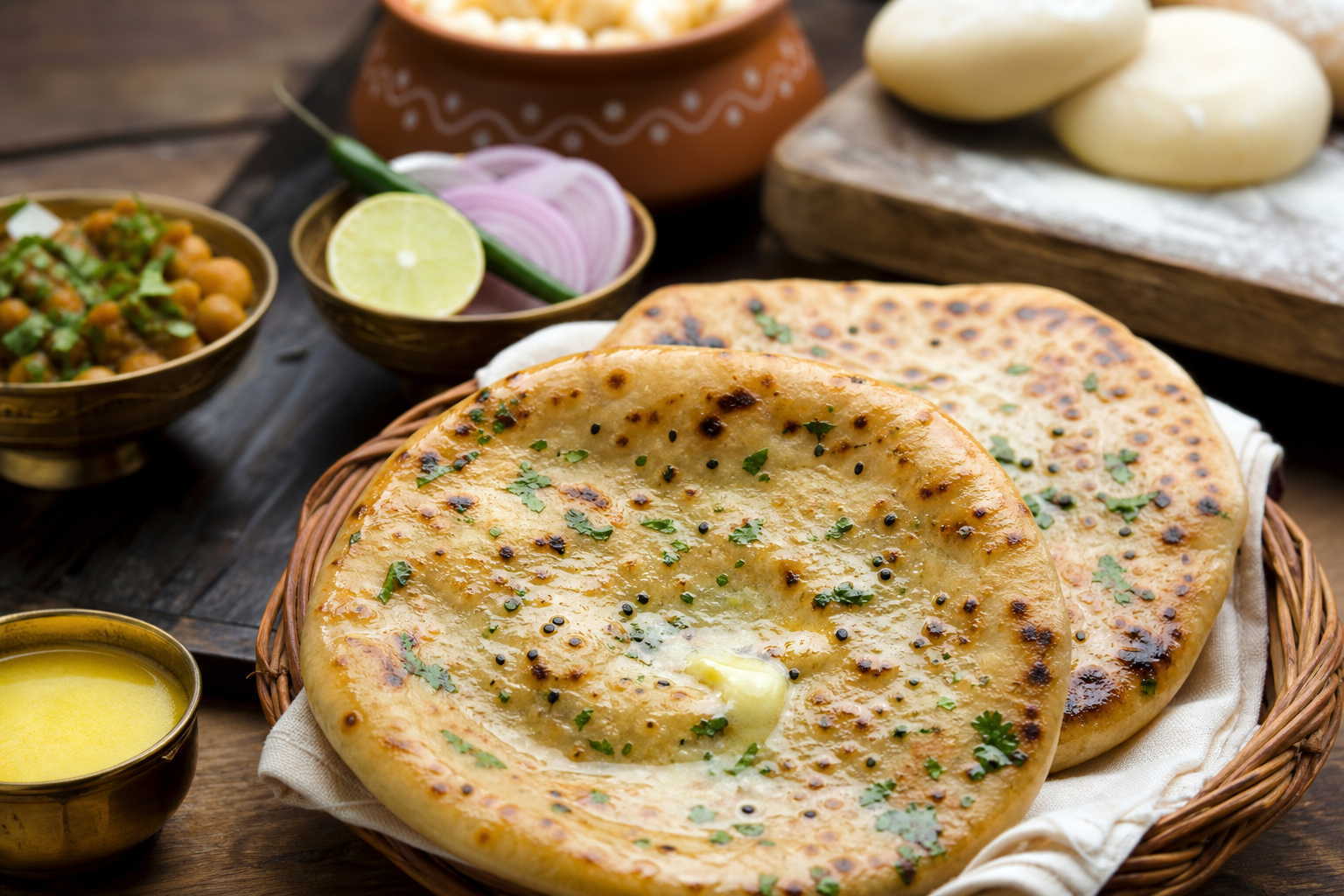
Desi ghee kulcha is an Amritsari-style stuffed flatbread brushed or finished with clarified butter. The ghee contributes a nutty aroma, a glossy finish, and a rounded mouthfeel that often defines the classic profile. Because ghee is both a flavour carrier and a higher-cost ingredient, verifying its quality matters to the final dish. This article gives practical checks you can run while ordering, exact questions to ask staff, short at-home tests for a jar of ghee, and local guidance for trying Desi ghee kulcha in Brampton.
What is Desi ghee kulcha and why the ghee matters
In Amritsari kulcha, desi ghee is more than a drizzle. It is frequently made from clarified butter produced from cow milk and can be the primary taste signature of the finished kulcha. Claims such as “A2” or “desi” focus on milk breed and production method because breed differences are central to A2 ghee marketing and perceived flavour differences. Guides that explain A2 desi ghee advise checking the cow breed and provenance when authenticity is claimed.
When a restaurant lists Desi ghee kulcha on the menu, look for signals that the ghee is intentionally used at the finish stage rather than as a cost-cutting oil substitute. Restaurants that highlight imported masalas and traditional techniques are more likely to emphasise genuine desi ghee as part of the recipe, though provenance still requires verification on request.
Six checks to run before you order in a restaurant
-
Ask about provenance and terminology.
Ask whether the ghee is locally produced, imported, or a named A2 brand. Vague terms such as “pure” without a brand or origin are a reason to follow up. A clear answer about source tells you whether the restaurant treats ghee as an ingredient worth naming.
-
Watch for visible ghee cues when the plate arrives.
Real desi ghee shows a warm sheen and a faint nutty aroma. Adulterated or vegetable-oil blends can look unusually smooth and oily at room temperature. Consumer guides list grainy texture at room temperature and a roasted aroma as simple indicators of pure desi ghee, so use the same cues when the kulcha is presented.
-
Evaluate kulcha texture, char, and tandoor signs.
An Amritsari kulcha should show light blistering, toasted edges, or a slight tandoor char, and the interior should be soft and well stuffed. If the kulcha is uniformly pale and limp, it may have been reheated rather than freshly baked.
-
Check how chutney and chole are served.
Authentic places serve chutney and chole so the diner can combine flavours. If the chutney is missing or the chole are bland and watery, the balance will suffer. Confirm whether those accompaniments are included when you order.
-
Judge portioning and plating consistency.
Look for consistent kulcha size and a generous brush of ghee. A small, under-greased kulcha is a reason to ask for a refresh or a second piece.
-
Set realistic expectations for timing and service.
Fresh kulcha cooked in a tandoor takes time. If a place promises immediate delivery of a stuffed, tandoor-cooked kulcha and serves it in two minutes, it was likely reheated. Ask for an estimated wait time so you know whether the kulcha will be made to order.
What to look for and ask: exact server questions and visible signs
Use short, polite phrases that get a clear answer without sounding confrontational. Below are phrases and the signals to watch for when the kulcha arrives.
-
Server scripts to use
- “Is your kulcha brushed with desi ghee or with butter or oil?”
- “Is the ghee from a specific brand or local producer?”
- “How long will the kulcha take to come fresh from the tandoor?”
-
Visible arrival checks
- Ghee sheen and a mild nutty aroma when the plate is set down.
- Light blistering or char on the surface from a tandoor or hot griddle.
- Chutney and chole served separately so you can combine each bite.
If you want to learn more about classic pairings and Punjabi preparations, the restaurant primer on Punjabi dishes is useful context before you go.
Punjabi dishes: bold flavors to enjoy
Simple at-home checks if you buy desi ghee to use on kulcha
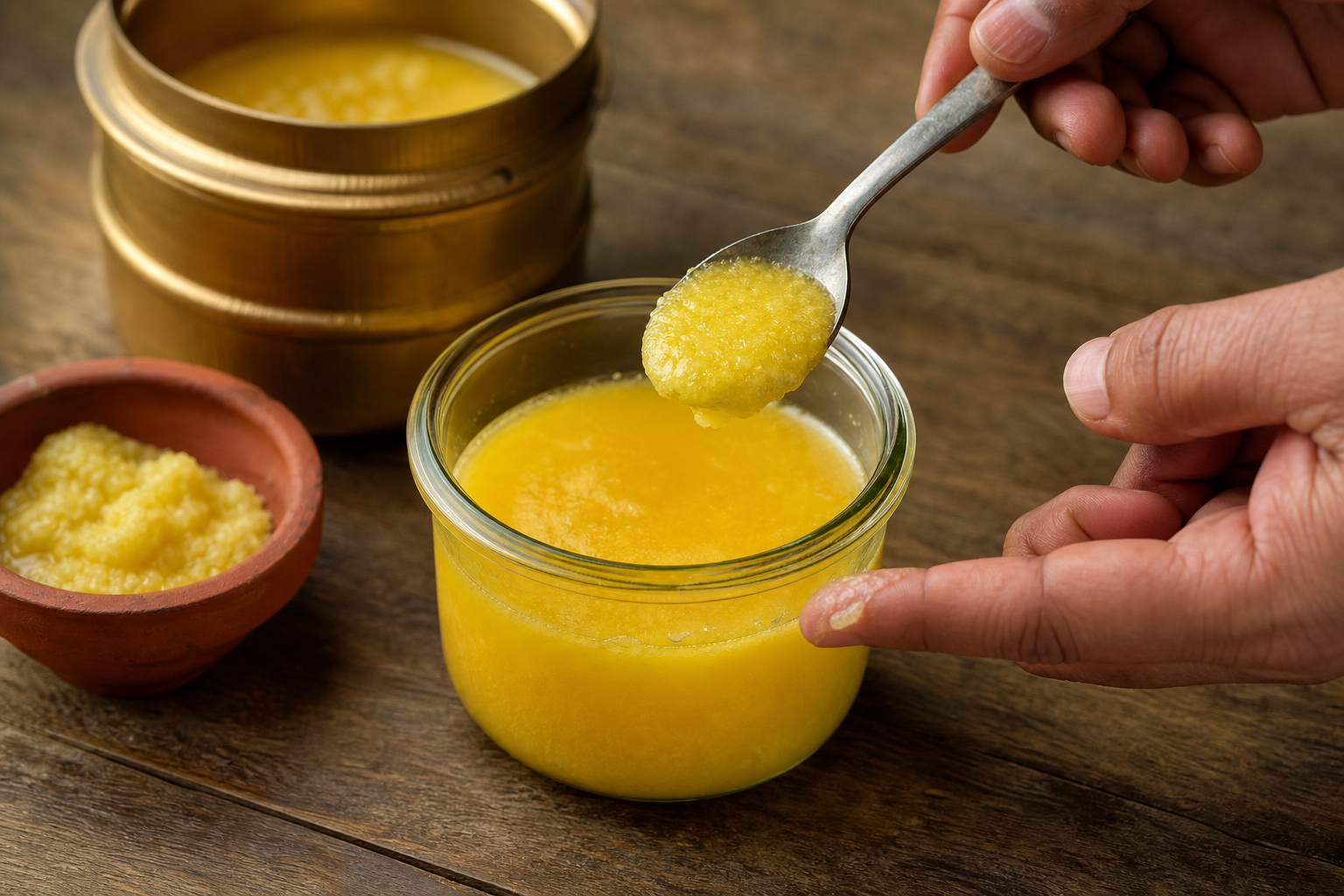
If you plan to buy a jar of desi ghee and use it on kulcha at home, run these safe and quick checks before you accept the jar as “pure.” Consumer guides recommend observable tests such as texture at room temperature and simple spoon or heat tests to flag adulteration.
-
Room-temperature graininess test
Pure desi ghee often shows a slightly grainy or granular look at room temperature rather than a completely smooth oily film. Graininess is a primary visual cue that the ghee is not a vegetable-oil blend.
-
Spoon-cool or spoon-freeze test
Dip a spoon in the ghee and let it cool briefly. If it hardens evenly and forms a semi-firm coating, that is consistent with traditional ghee behaviour. If it stays liquid and oily, the jar may contain non-dairy oils.
-
Smell and heating behaviour
Pure desi ghee has a nutty, slightly roasted aroma when warmed. When heated, pure ghee should foam briefly and then release a clean aroma. This is a simple operational check you can do on a small spoonful.
-
Solubility in water test
Drop a little ghee into a glass of water. Pure ghee will not dissolve. Adulterated samples with added oils or impurities may disperse differently. Several consumer articles describe this as an easy first check you can do at home.
These practical tests mirror the signs professionals use to detect adulteration and are explained in more detail in buyer checklists and consumer guides.
Red flags and common ghee-related scams to watch for
The ghee market has documented issues with blends and mislabeling, so watch for these specific warning signs before you buy or accept a restaurant claim. Buyer guides and investigative articles list adulteration with vegetable oils, hydrogenated fats, or mislabeled dairy as frequent problems.
- Very smooth, oily liquid at room temperature with no graininess or aroma, which can indicate mixing with vegetable oil.
- Vague label claims such as “pure” or “desi” without a brand, producer, or origin stated.
- Unusually low price for packaged “desi ghee” compared with market norms, which may signal a blend.
- Menu photos that do not match the dining space or plated portion, which can create false expectations about freshness and plating.
- Repeated customer reports of bland chole or under-greased kulchas, which suggest operational or recipe problems rather than only ingredient quality.
Buyer guides recommend checking provenance and performing simple tests before trusting a label or a menu claim.
Where to try Desi ghee kulcha in Brampton and what to expect
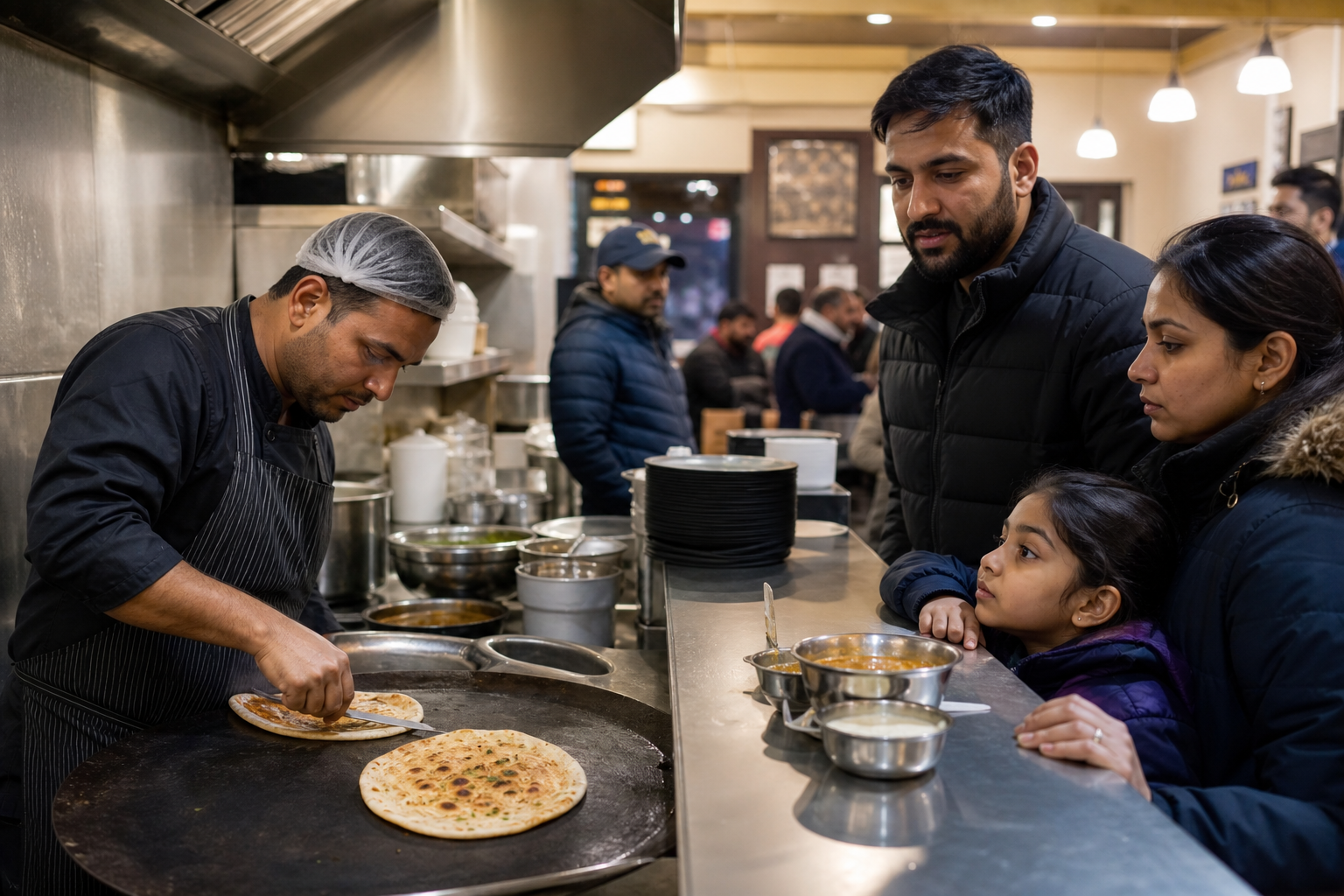
If you want to taste Desi ghee kulcha locally, start with restaurants that highlight Amritsari specialties and imported masalas, but be prepared to verify details at the counter. Taste of Amritsar positions itself as a Brampton destination for Amritsari and Punjabi cuisine, and its menu highlights kulchas and chutneys as signature items. If you decide to visit, confirm ghee provenance and ask how the kulcha is finished in the tandoor when you order.
Local reviews praise kulcha quality consistently, though some reviewers mention service inconsistency or timing issues. Plan for a fresh, made-to-order kulcha by asking for an estimated wait time and arrive during nonpeak hours if you prefer a calmer dining experience.
For menu details and hours, check the restaurant website before you go.
A quick decision checklist and ordering tips
- Before you order: Ask if the kulcha is brushed with desi ghee and whether the ghee is from a named brand or producer.
- When it arrives: Look for a warm sheen, mild roasted aroma, and tandoor blistering; ensure chutney and chole are provided so you can combine flavours.
- If unsure: Ask for a small extra brush of ghee or a fresh piece from the tandoor rather than accepting a reheated kulcha.
- Pairing tips: Desi ghee kulcha pairs well with tangy mint chutney, spicy chole, and a cooling sweet or masala lassi to balance richness.
- Best times to visit: Try nonpeak hours for better service consistency and shorter waits for tandoor-cooked items.
Frequently asked questions
How does Desi ghee make an Amritsari kulcha different from regular kulcha?
Desi ghee adds a nutty aroma, glossy finish, and richer mouthfeel that amplifies the stuffed flavours. It also carries roasted spice notes that are essential to the Amritsari profile, so a kulcha finished with genuine desi ghee will taste deeper and more aromatic than one finished only with butter or neutral oil.
What quick test can I do at a restaurant to check if the ghee is real?
Ask whether the kulcha is freshly brushed with desi ghee and look for a warm sheen and a faint roasted aroma when the plate is set down. Also note whether the chutney and chole are served for you to combine flavours, which is a sign of intentional preparation.
Can I trust menu claims that say “desi ghee” or “imported masalas”?
Menu claims are useful signals but not guarantees. Ask a follow-up question about brand or origin, and if provenance is important, request the name of the ghee brand or the producer. Restaurants that list imported masalas openly are more likely to use traditional techniques, but always verify the specific claim when quality matters.
What are simple at-home tests to check a jar of desi ghee before using it on kulcha?
Observe graininess at room temperature, perform a spoon-cool or spoon-freeze test, warm a small amount to check for a nutty aroma and expected foaming, and try the solubility-in-water check. Consumer guides describe these as quick, nontechnical checks that detect obvious adulteration.
If my kulcha arrives without enough ghee or with bland chole, what should I ask the staff to fix?
Ask politely for an extra brush of ghee or a fresh kulcha from the tandoor, and request extra chutney on the side if the chole are bland. A quick, courteous request usually resolves portion or balance issues when the kitchen can make a small adjustment.
References: consumer and buying guides on identifying A2 or desi ghee and at-home tests are discussed in buyer checklists and how-to guides on ghee purity and provenance.
Ready to try Desi ghee kulcha in Brampton?


Leave A Comment