







Questions to Ask Before Choosing Authentic Indian Spices
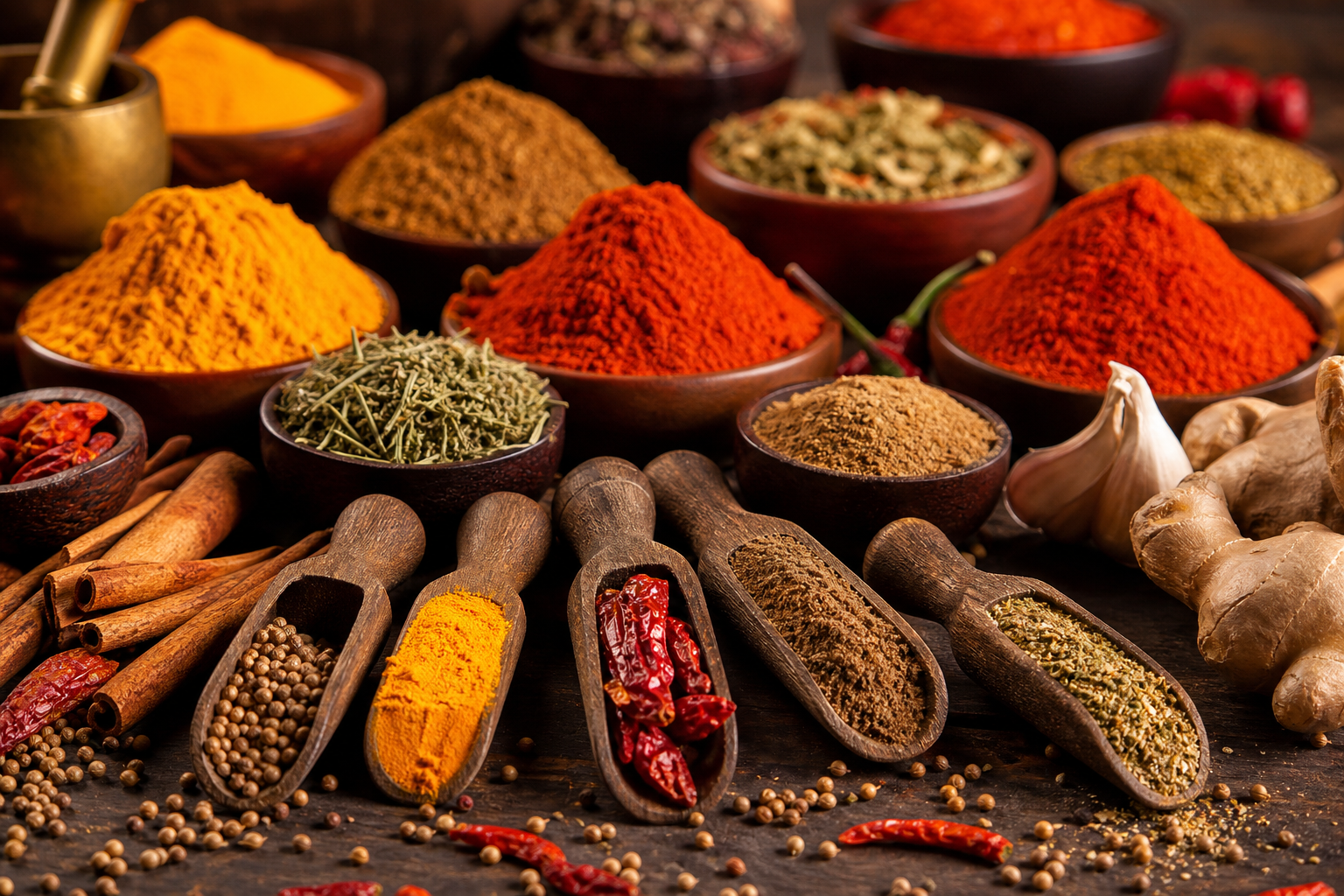
Buying authentic Indian spices matters because a true masala changes the aroma, colour, and taste of a dish. At the same time, ground spices sold in some markets can be diluted, dyed, or mixed with fillers. This checklist of questions to ask before choosing Authentic Indian spices gives exact things to request from sellers, the red flags to avoid, and three quick home tests you can perform right away.
Why these questions matter
Ground spices are an easy target for adulteration, and food safety reviews note non-trivial risks in open markets and some unregulated supplies. Asking about origin, testing, and packaging reduces your chance of buying a low-quality or adulterated masala (see consumer checks and findings for more detail) on how to check purity at home, and practical shopping steps for online sellers that explain provenance and accountability. Pure spices are best identified by named origin, measurable active compounds, and no synthetic additives as described in origin and purity guides.
Checklist: exact questions to ask sellers and vendors
Below are nine specific questions to ask in-store, at a farmer or spice stall, or when shopping online. For each item you will find why it matters, a quick verification you can request, and an example phrasing to use with the seller.
-
Where exactly did this spice come from and who supplied it
Why it matters: Generic claims like “Product of India” leave too much room for mixed sourcing. A named district, GI origin, or farm is more verifiable and often signals higher accountability for named origins.
Quick verification: Ask for the origin name on the label or in writing. If shopping online, expect the product page to list a district or named source.
Example phrasing: “Can you tell me the district or farm this turmeric is sourced from, and is that printed on the packet?”
-
Is there a batch number and visible manufacture and expiry date
Why it matters: Batch numbers and dates show traceability and make the seller accountable if a product is recalled or questioned. Expired or unlabelled packages are a red flag for choosing packaged spices.
Quick verification: Inspect the back of the pack or the online listing for batch, manufacturing and expiry details.
Example phrasing: “Does this cardamom packet include a batch number and manufacture date so I can trace it?”
-
Can you show testing or lab reports for adulteration checks
Why it matters: Independent tests for common adulterants, heavy metals, and synthetic dyes give real assurance. Sellers who refuse to discuss testing or who dodge specifics are higher risk according to shopper checklists about adulteration.
Quick verification: Ask for a recent test certificate or a summary of internal quality checks. For packaged brands, check if lab testing is mentioned on the product page.
Example phrasing: “Do you have a recent certificate that checks this batch for fillers or artificial dyes?”
-
Is this spice whole or ground and when was it ground
Why it matters: Whole spices retain oils and flavour longer, and they are less likely to include filler powders. Freshly ground spices are best used quickly. Prefer whole spices when possible to reduce adulteration risk and for freshness.
Quick verification: For ground spices, ask when the batch was ground. For whole spices, inspect for uniformity and unexpected fragments.
Example phrasing: “Is this cumin whole or ground, and what is the pack date if it is ground?”
-
Which certifications or seals does this brand carry
Why it matters: Recognised certifications such as organic or AGMARK add oversight. Certification does not guarantee perfection, but it indicates an extra level of control and record keeping that recommends looking for AGMARK and organic seals.
Quick verification: Request to see the certificate or a certification number and verify it on the certifier’s site if needed.
Example phrasing: “Do you have an AGMARK or organic certificate for this batch and can I see the certificate number?”
-
How is the spice stored here and in transit
Why it matters: Spices kept in humid, warm, or sunlit areas degrade and can attract contamination. Proper storage in sealed, dry containers preserves flavour and safety.
Quick verification: Look at the storage containers in-store or ask about packaging and shipping for online orders.
Example phrasing: “How do you store this masala in the shop, and how is it packed for delivery?”
-
Why is the price lower than other brands
Why it matters: Extremely low prices compared with typical market rates can indicate fillers, diluted blends, or low-quality processing. Price alone is not proof, but it should prompt follow up questions about sourcing and testing on price as a red flag.
Quick verification: Compare unit prices and ask which supply step reduces cost so much.
Example phrasing: “This is much cheaper than other turmeric I see. What explains the price difference, and where did it come from?”
-
Can I return or get a refund if the spice is substandard
Why it matters: A clear return policy shows seller confidence and provides consumer protection. Vendors with no returns or unclear policies are harder to hold accountable.
Quick verification: Check the return policy on the packet or the website before purchase.
Example phrasing: “What is your return policy if this garam masala does not match the description?”
-
Do you provide cooking or recipe guidance for this spice blend
Why it matters: Brands that invest in usage guidance often care about flavour authenticity and consistency. Absence of any product stories or usage notes on an otherwise promoted spice can be a sign of value-focused mass production.
Quick verification: Look for recipe cards, recommended pairings, or tasting notes on the package or product page.
Example phrasing: “Do you have recommended dishes or a spice note so I know how best to use this blend?”
Key questions and red flags expanded
When you ask these questions expect direct answers and visible evidence. Red flags include evasive sellers, missing dates, bright or uniform colours that look unnatural, loose dusty powder with unusual odourless smell, or refusal to show certification or batch details. These signs suggest you should not buy without more verification and related buyer tips.
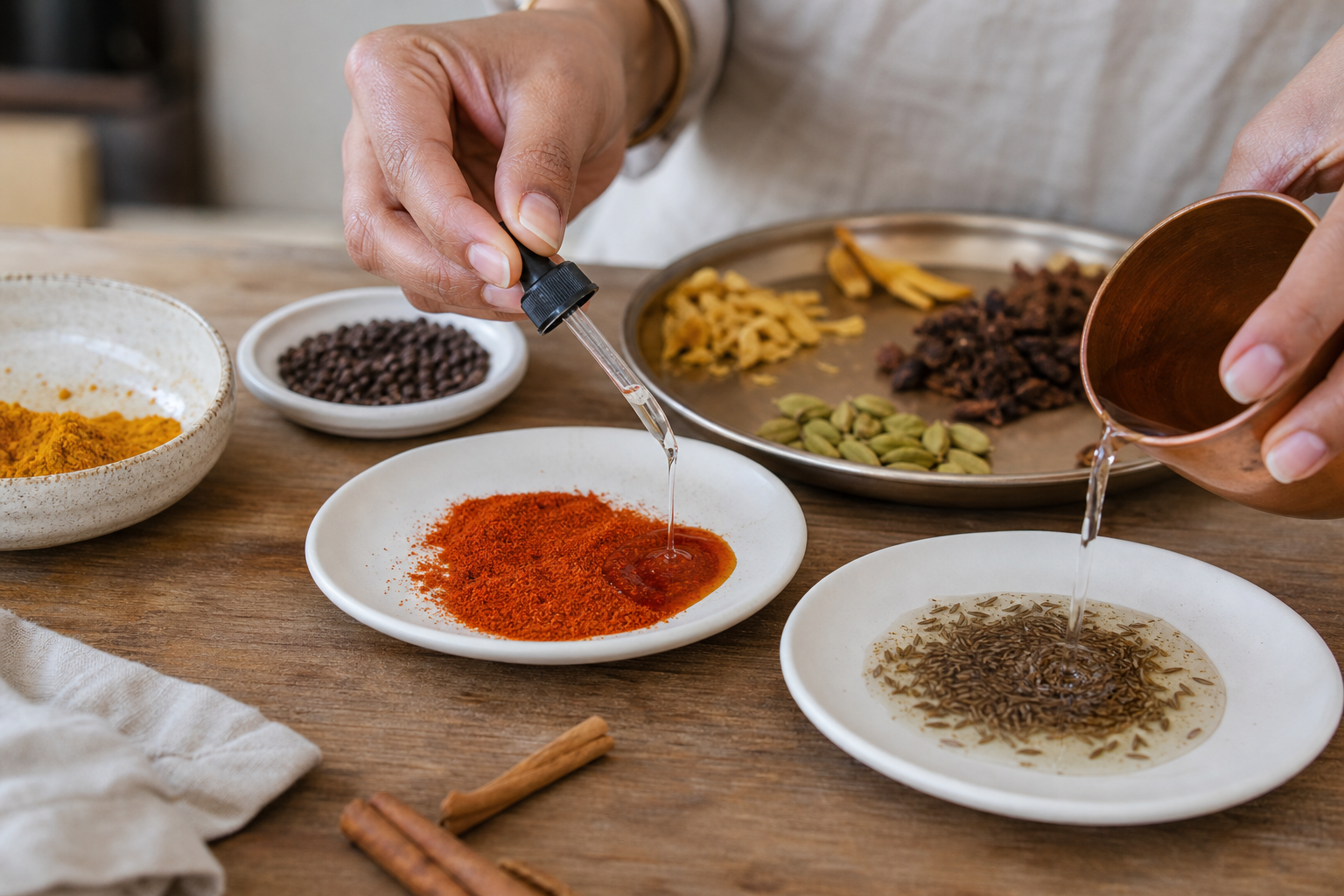
Three quick home tests you can do right away
-
Smell and rub test
Method: Crush a small amount between your fingers and smell. Authentic spices give a sharp, complex aroma. A flat or chemical smell is suspicious. Whole spice aroma is stronger when crushed as suggested by home tests.
-
Water or splash test for colour dyes
Method: Stir a pinch in a small cup of warm water. Natural spices will release colour slowly and may cloud the water. Instant bright colour that separates quickly can indicate added dyes. This is a crude check only and not a replacement for lab testing noted among simple inspections.
-
Visual inspection of whole spices
Method: Look for broken pieces, seeds that do not match the named spice, or uniformly perfect particles that suggest mechanical processing or fillers. Whole spices show natural variation in size and colour which origin guides describe.
How to verify certifications and provenance
Important labels to look for include AGMARK, recognised organic certifications, and GI or named-origin claims. For certified products ask for the certificate number and verify it with the issuing body. For online sellers, prefer brands that publish sourcing stories and independent test summaries. Sellers who show the farm or district and laboratory checks will generally be more accountable than anonymous or unlabelled packs that recommend looking for sourcing and accountability.
Special note for restaurants and “imported masalas” claims
Restaurants sometimes promote “imported masalas” because that can influence flavour authenticity. If a restaurant mentions imported masalas, ask which spice or blend is imported, whether they keep a supplier name or batch records, and how they store spices before use. Taste of Amritsar states a commitment to imported masalas to preserve Amritsari flavour profiles on the menu, which is useful information when assessing menu authenticity Taste of Amritsar. If you want more guidance on choosing an Indian restaurant and how to evaluate menu claims, see the restaurant menu decoder and ordering tips How to choose an Indian restaurant: menu decoder, spice levels, and ordering tips.
Where to buy trusted spices in Brampton or online and how to evaluate sellers
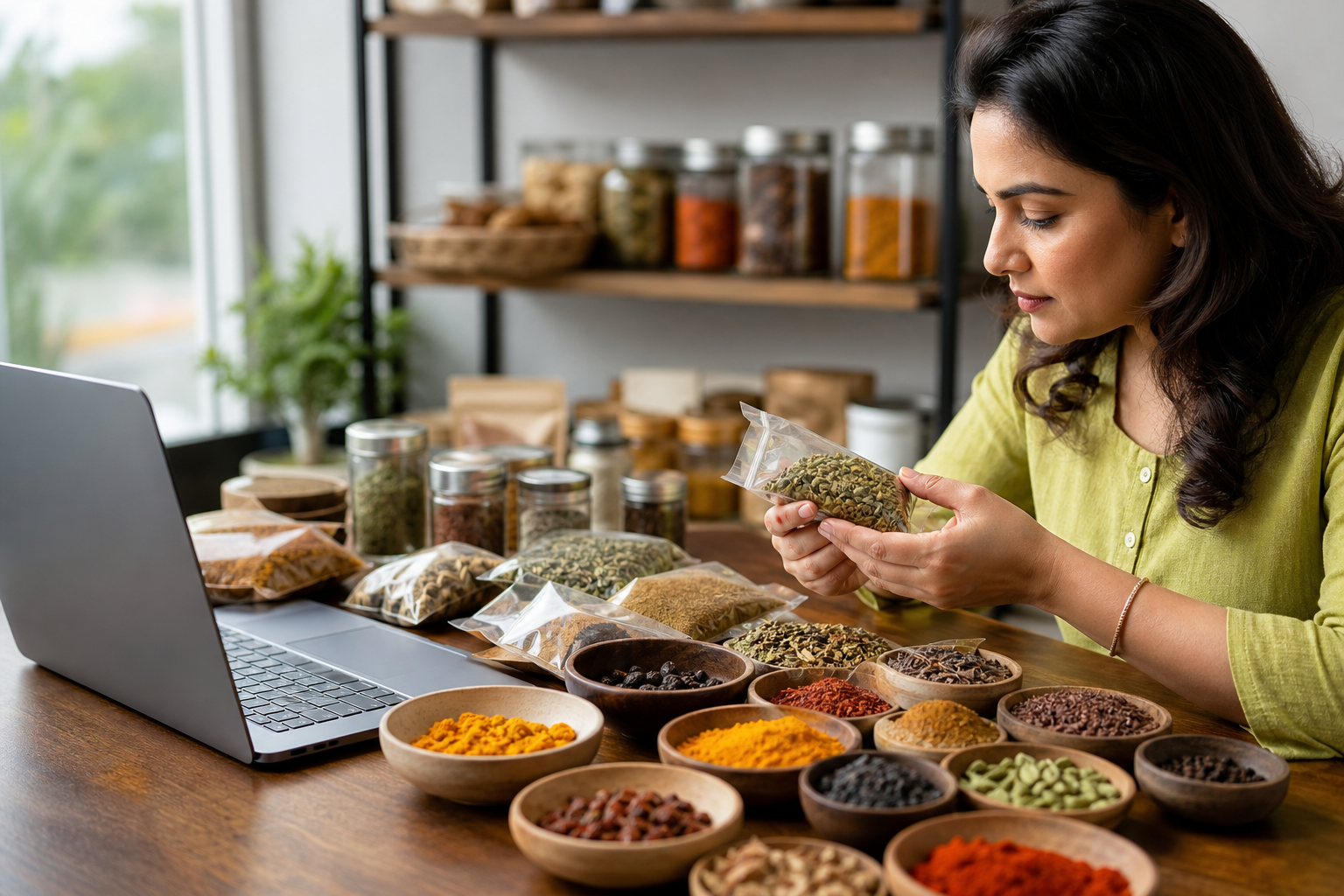
Local South Asian grocers often stock reputable brands and whole spices. When you buy in person inspect packaging, batch numbers, and storage. For online sellers, prefer brands that list origin, testing, and a clear returns policy. Avoid loose powders sold from open bins unless you can confirm the turnover rate and the supplier’s testing standards, because loose ground powders in some markets have higher adulteration risk according to shopper checklists.
Decision checklist and common objections
- Provenance first: If the seller cannot name an origin, treat the product with caution.
- Packaging and traceability: Require batch numbers and dates before purchase.
- Price checks: Compare unit prices and ask about unusually low costs.
- Seller transparency: Prefer vendors who provide certificates or testing summaries.
- Common objection answered: “It is cheaper elsewhere” is valid, but very low price should trigger extra verification. If you trust a local shop, ask for supplier details and how often they replace stock.
Frequently asked questions
What are the quickest signs that an Indian spice might be adulterated
Look for unnaturally bright colours, a flat or chemical smell, missing batch or date information, and extremely low prices. These are practical red flags to prompt more questions and tests for home checks.
Which certifications should I trust when buying Indian spices
Recognised seals such as AGMARK and accredited organic certifications provide higher confidence. Also prefer products that list a named origin or GI tag and display batch numbers you can verify for certification guidance.
Can I test spice purity at home without lab equipment
Yes. Use the smell and rub test, a water splash check for suspicious dyes, and visual inspection of whole spices. These are not definitive but they reveal obvious red flags before use for simple inspections.
What should I ask a restaurant that says it uses imported masalas
Ask which spices are imported, whether they keep supplier or batch records, and how they store spices. Restaurants that provide clear sourcing or explain why particular masalas are imported are more transparent about authenticity. Taste of Amritsar notes the use of imported masalas to maintain Amritsari flavours on the menu see their site.
Is it safer to buy whole spices rather than ground powders
Whole spices are generally safer from adulteration and preserve aroma longer. Grinding at home lets you confirm oil content and freshness, so prefer whole spices when possible for origin and quality considerations.
Taste and verify locally
If you want to sample dishes prepared with a stated commitment to imported masalas, you can visit Taste of Amritsar and try Amritsari favourites that highlight traditional spice profiles. For menu details or to book a table visit the official website.
Use this checklist the next time you shop or dine, and keep the questions ready on your phone so you can verify provenance and avoid common red flags. Asking the right questions is the fastest way to protect flavour and safety in your kitchen.


Leave A Comment