







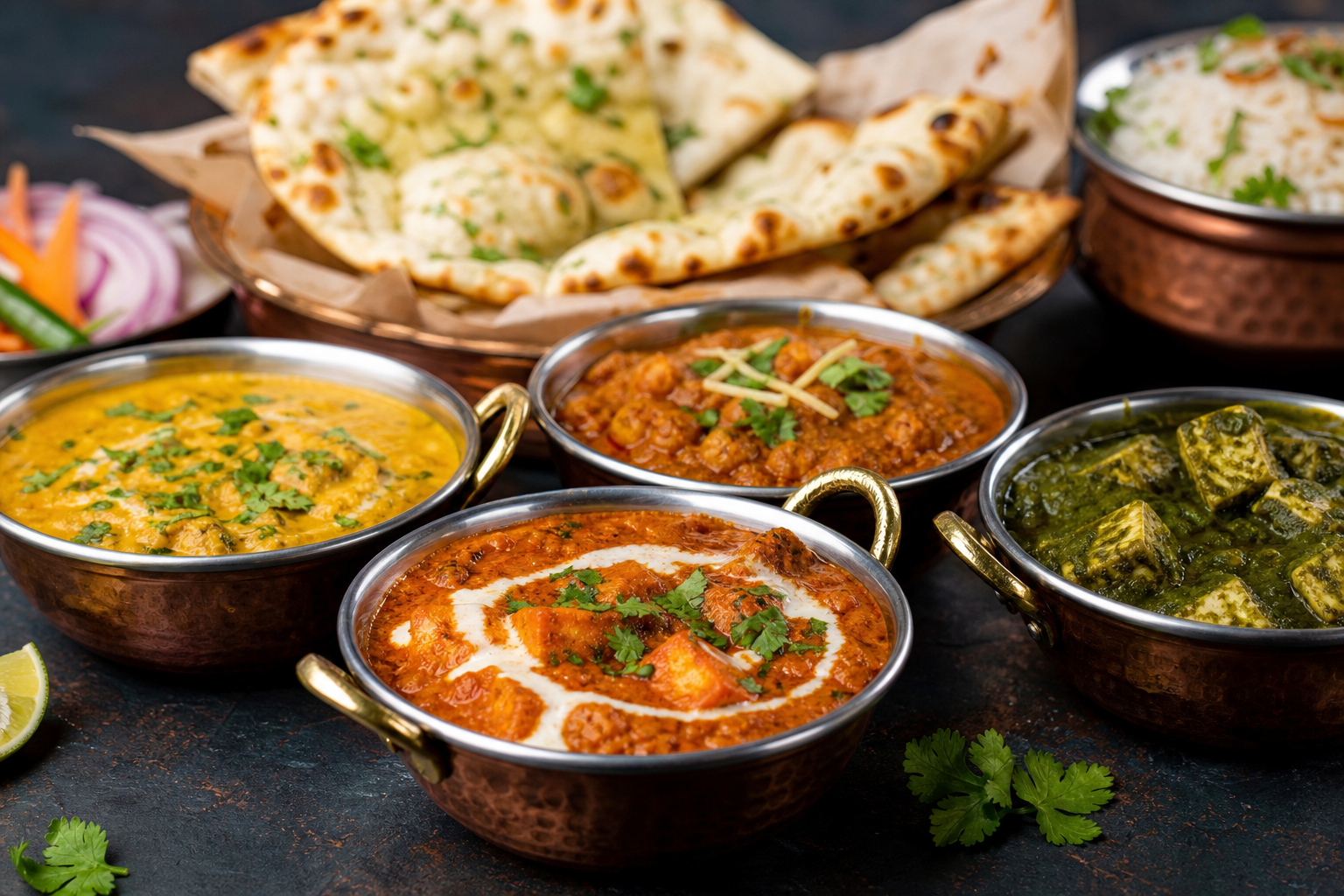
Signature curries for Brampton diners
How to use this checklist
This checklist helps you choose the best Signature curries at Taste of Amritsar in two to three minutes. Work through the steps in order, pause at the stop points to confirm spice, allergies, or portion needs with the server, and use the suggested pairings to build a balanced meal. Short, ordered decision checklists reduce hesitation and speed ordering, a method used in structured decision workflows across many fields.
Step 1: Define your goal — taste, heat, and occasion
Start by stating the decision in one short sentence. That single sentence anchors the rest of your choices and keeps the table aligned. Examples:
- “I want a mild, creamy vegetarian curry for two to share over a relaxed dinner.”
- “I want a smoky, tandoori lamb curry for a celebration.”
- “I want a spicy, fast lunch that pairs well with a simple rice bowl.”
Use this micro-decision to determine portioning, heat, and pairings in later steps. If the meal is for children or guests with allergies, make that explicit in the sentence so safety stop points apply early.
Step 2: Match the flavour profile to the curry
Signature curries at a Punjabi and Amritsari kitchen generally fit into a few clear flavour profiles. Pick the profile that matches your sentence from Step 1 before you choose protein or spice.
- Tomato-forward, tangy curries — bright and acidic. Good when you want a palate-cleansing bite or when pairing with plain or jeera rice.
- Buttery, creamy gravies — rich, smooth, and comforting. Best for mild heat and for pairing with Amritsari kulcha or naan.
- Smoky, tandoori-based curries — charred notes from the tandoor add depth. Choose these for special occasions or when you want layered flavours.
- Street-style or chole profiles — spiced, tangy, and lively. These are great for sharing and for pairing with fried breads like bhature or stuffed kulcha.
Examples from the Taste of Amritsar menu you might recognise are paneer dishes for creamy profiles, chole and chole bhature for street-style profiles, and tandoori paneer or tandoori chaap for smoky profiles. For a deeper explanation of gravies and pairing logic, see the Indian curry explained page on the menu. For related first-party details, review indian curry explained: styles, gravies, and pairings that actually make sense.
Step 3: Choose protein or vegetarian options and check allergy flags
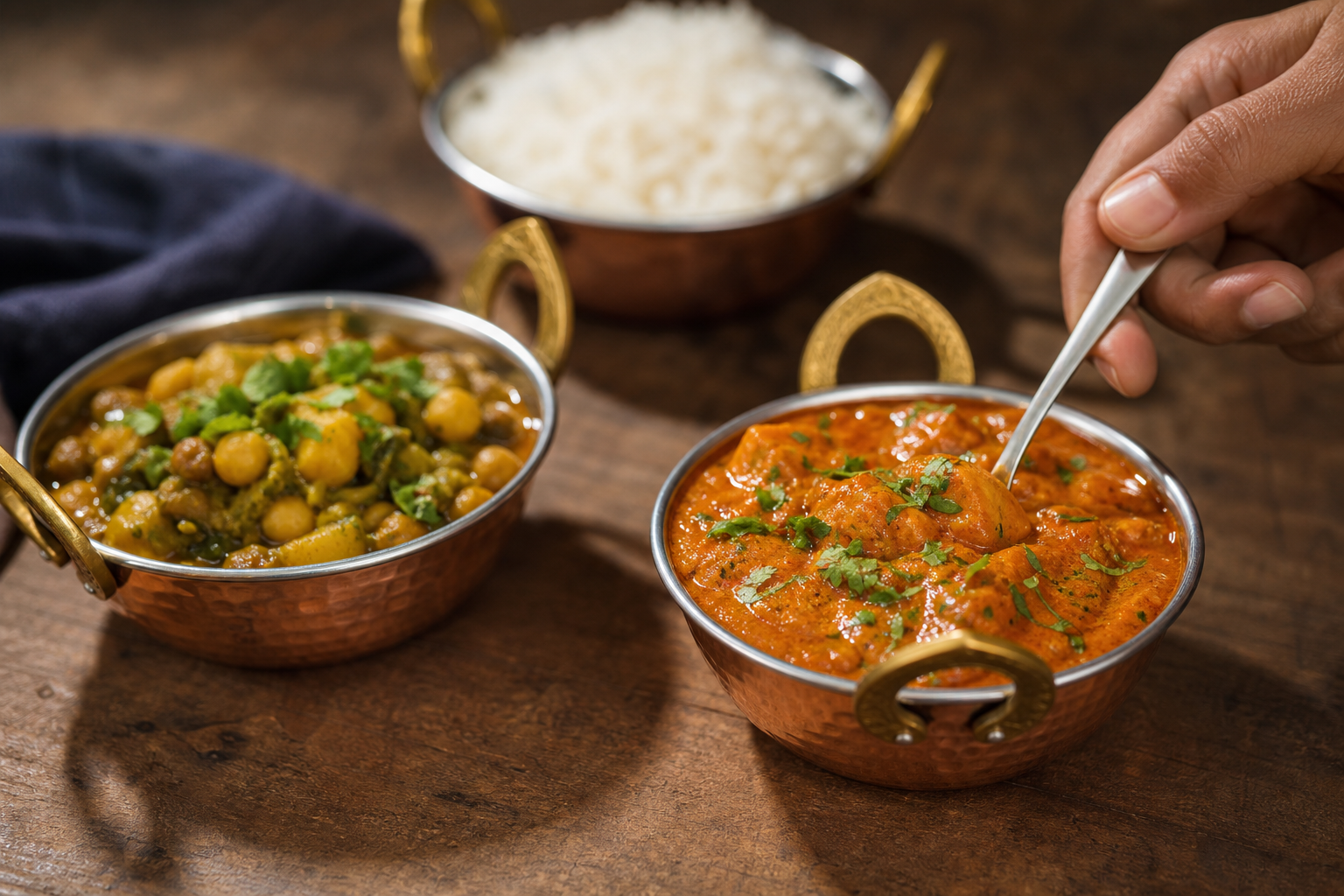
Confirm whether the dish should be vegetarian or include meat. Taste of Amritsar offers paneer, chole, chicken, lamb, and tandoori specials, so pick the protein that suits your goal sentence and appetite.
- Vegetarian choices — paneer curries, chole, and many gravies are vegetarian friendly. If you are vegan or strictly vegetarian, ask whether the sauce uses ghee, cream, or butter.
- Meat choices — chicken and lamb change texture and flavour. Tandoori-cooked proteins add smoky, charred notes that influence pairings.
- Allergy and cross-contact flags — dairy is common in butter and cream sauces. Gluten can be present in some breads and gravy thickeners. Tell the server about allergies and have them note it on the order so the kitchen can advise on substitutes and cross-contact risk.
Micro-decision tip: if someone in your party has an allergy, pick one clearly safe item first and ask the server which signature curries share utensils or equipment in the kitchen.
Step 4: Select spice level and use safety stop points
Rather than guessing exact chili amounts, pick a spice band and use recommended stop points to avoid surprises. Choose one of these bands:
- Mild — little to no heat, highlights aromatics and creaminess. Ideal for children and first-time diners.
- Medium — balanced heat that preserves spices and complexity. The safest choice for shared plates.
- Hot — strong chili presence. Select only if you or your group specifically want a fiery profile.
Two stop points to keep on the table:
- Order one test portion, or request the dish at “medium” and ask for chili or hot condiments on the side so guests can add heat as they go.
- If children or sensitive eaters are present, confirm with the server that the kitchen can hold or separate chilies and dairy where possible. If the response is uncertain, choose a milder profile or a cream-based curry to be safe.
These stop points mimic best-practice checklists used to reduce risk and align expectations in other decision workflows.
Step 5: Portion planning and sharing rules
Decide how many curries you need before adding breads, rice, and starters. Typical guidance at a full-service Indian restaurant is:
- Solo diner — one signature curry plus one bread or a rice portion is usually ample.
- Two people sharing — two curries of different profiles, or one curry plus a hearty starter, with a shareable bread such as Amritsari kulcha.
- Group of four or more — three to four curries mixes heavier and lighter options and lets everyone sample a variety of flavours.
Practical mixing rule: pair one rich curry with one lighter tomato or chole-style curry to maintain balance. If you worry about leftovers, start with fewer curries and add another after the first course.
Step 6: Ideal pairings — breads, rice, sides, and lassi
Good pairings sharpen the meal. Use these rules to match breads, rice, starters, and lassi to your chosen curry profile.
- Amritsari kulcha — rich, stuffed, and buttery. Best with creamy curries and chole. It soaks up sauce and softens strong spices.
- Tandoori roti or naan — neutral and slightly charred, ideal for smoky tandoori curries and grilled proteins.
- Plain or jeera rice — choose rice with tomato-forward, oily, or very spicy gravies to temper richness and provide a clean base.
- Starters and chaats — pick a crisp, tangy starter to contrast heavy gravies. Street-style chaats refresh the palate between rich bites.
- Lassi — sweet or masala lassi cools the palate and pairs well with spicy or heavily spiced curries. A masala lassi is especially good with tandoori flavors.
Example plates: pair paneer makhani or other cream-based paneer dishes with Amritsari kulcha. Pair chole or chole bhature with a stuffed kulcha for a classic street-style combination. Pair tandoori paneer or chaap with tandoori roti to emphasize charred notes without extra richness. For more pairing context and gravy types, see the Indian curry explained page on the Taste of Amritsar site.
Real objections and trade-offs to consider
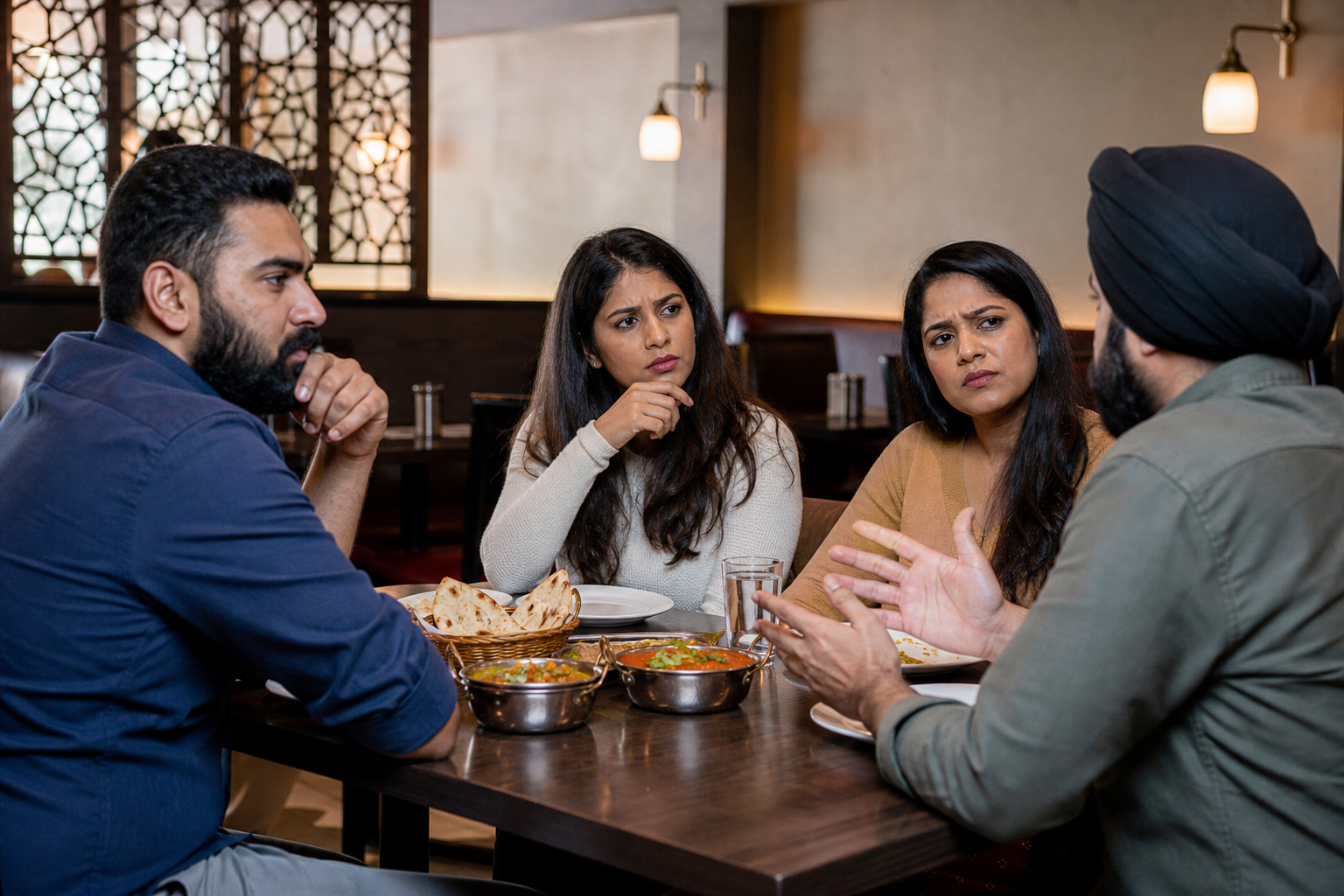
These are common diner concerns and simple decision criteria to resolve them.
- Too spicy — choose a milder profile, request the dish at “medium” or “mild,” and ask for chilies on the side. Use the test portion stop point when trying a new curry.
- Not authentic — authenticity often comes from tandoori methods and traditional masalas. If authenticity is a priority, opt for tandoori specials and ask which curries use imported masalas or classic Amritsari techniques.
- Portion uncertainty — start with one curry and a shareable bread, then add a second curry if needed. Sharing lets the table test multiple flavours without waste.
- Dietary restrictions — always tell staff about allergies and dietary needs before ordering. Ask if ghee, cream, or specific thickeners are used and request safe swaps if necessary.
Local details and quick booking information
Taste of Amritsar is at 27 Main St N, Brampton, ON L6X 1M8. For directions, use the Google Maps listing. Typical opening times start at 10:00 daily, with closing around 23:00 on weekdays and extended hours until 24:00 on Friday and Saturday. Recent customer reviews highlight the Amritsari kulcha and authentic tandoori flavours, which helps set expectations for flavour and portioning.
Find us on Google Maps
Ready to order or book a table
When you call or reserve online, tell staff your party size, preferred spice band, and any allergy or vegetarian needs. If you want to try a new curry but are unsure on heat, ask to start with a medium portion and request chilies on the side. Call +1(437) 608-0202 or visit the website to book a table.
Frequently asked questions
Which Signature curry at Taste of Amritsar is the mildest option
Butter- or cream-based curries are the mildest choices. These gravies emphasize richness over heat and are ideal for guests who prefer less spice. Always request “mild” when ordering to make sure the kitchen adjusts the chili level.
What pairs best with Amritsari kulcha from the Signature curries menu
Amritsari kulcha pairs beautifully with rich, creamy curries and with tangy chole. The kulcha soaks up sauce and balances bold spices, making it perfect to share when ordering signature curries.
Are there vegetarian signature curries and how do I flag allergies
Yes, vegetarian signature curries such as paneer-based dishes and chole are available. To flag allergies, tell staff before you place the order and ask whether ghee or cream is used. The kitchen can explain cross-contact risks and suggest safe alternatives or swaps.
How spicy are the tandoori-style signature curries and can heat be adjusted
Tandoori-style curries often have a smoky, charred profile and can range from moderate to high heat. You can request a lower spice level and ask for chilies or hot condiments on the side so guests can add heat as they wish.
How do I book a table at Taste of Amritsar and what details should I give
Call +1(437) 608-0202 or visit the website to book. When you reserve, provide the date and time, party size, spice preferences, and any allergy or vegetarian requirements. This helps the team prepare and serve you more smoothly.


Leave A Comment