





A Practical Guide to Tandoor Indian Restaurant
If you’ve ever scanned a menu at a tandoor Indian restaurant and wondered what to try first, this guide is for you. Below you’ll find a clear overview of how tandoor cooking works, what dishes typically showcase it best, smart ways to build a balanced meal, and simple questions to ask so you order with confidence—whether you’re craving smoky starters from the clay oven, hearty breads and kulchas, or cooling drinks like lassi.
What is a tandoor and why does it matter?
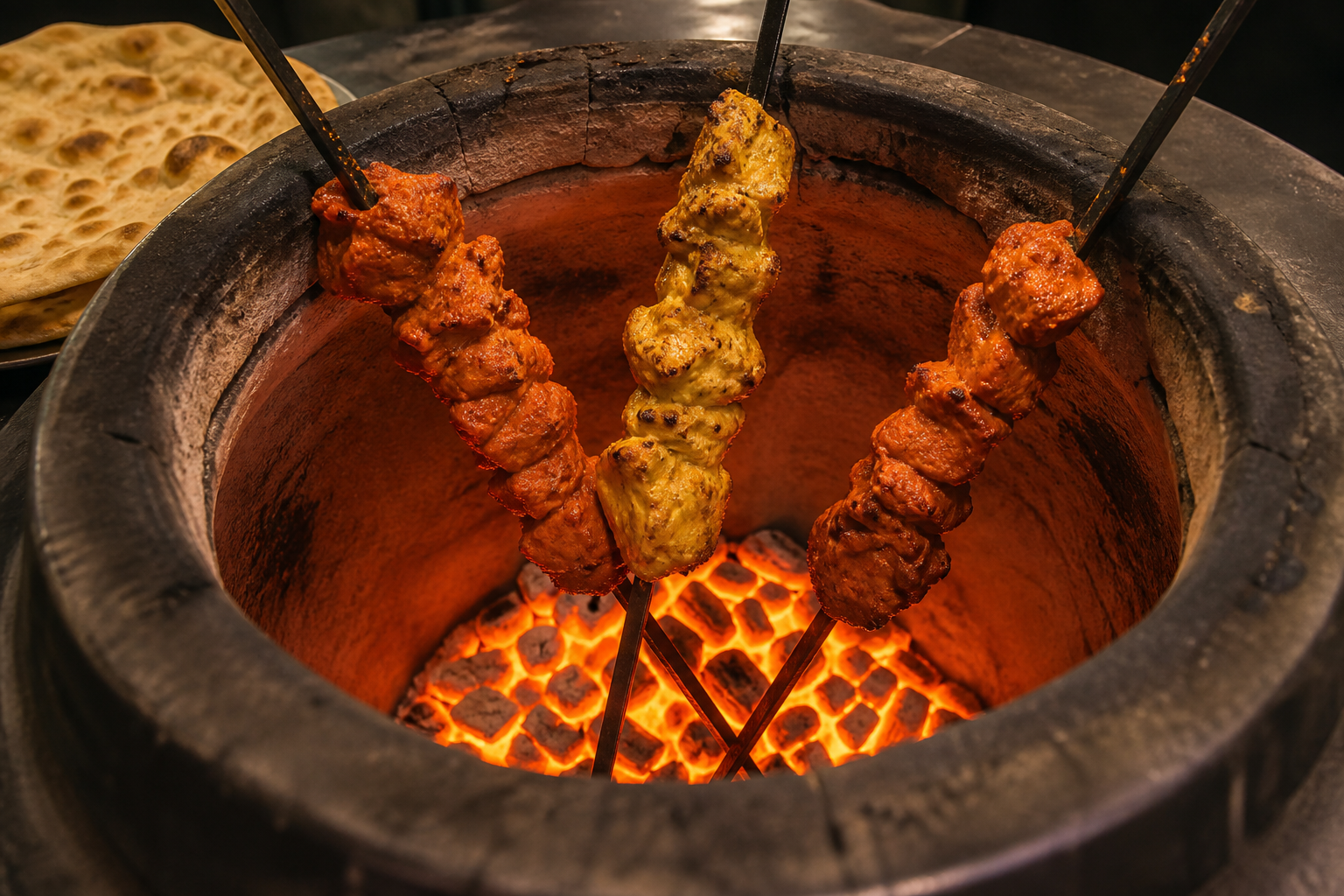
The tandoor is a cylindrical clay oven traditionally fired with intense, consistent heat. Its design creates quick, high-temperature cooking and a natural convection effect that seals in moisture while producing a signature char and smokiness. Meats, paneer, and vegetables develop a crisped exterior with tender interiors, and breads slapped onto the inner walls puff and blister into distinct textures you can’t easily replicate with standard stovetops or grills.
In practical terms, when you see “tandoori” on a menu, expect at least one of these characteristics:
- Marination with bold spices or creamy bases that stand up to high heat
- Distinct smoky aroma and slight char—without being deep-fried
- Speedy roasting that locks in juices
- Breads that blister, char, and remain chewy yet soft
Because of this, tandoor-focused places are excellent for shareable starters, protein-forward plates, and freshly baked breads that complement saucy curries.
Core tandoori dishes to recognize
The tandoor technique shows up across a variety of starters and mains. Here are common categories and examples you might encounter when ordering.
Paneer and vegetarian tandoori options
- Paneer tikka: Cubes of Indian cottage cheese marinated with spices and cooked in the tandoor. Look for a balance of char outside and creamy bite within.
- Tandoori paneer tikka: A straightforward description emphasizing the tandoor-fired preparation; expect similar hallmarks to paneer tikka with smoky depth.
- Afghani chaap: A vegetarian dish (often soy-based) typically coated in a rich, creamy marinade, then roasted for a mild, luscious finish.
- Tandoori chaap: A spicier, more robustly seasoned variant of chaap designed to take on the tandoor’s high heat and smoky notes.
Chicken and delicate marinades
- Malai tikka: “Malai” refers to a creamy marinade that prioritizes tenderness and subtle spice over heat. If you prefer milder flavors, this is a go-to.
Tandoori breads
- Tandoori roti: Whole-wheat bread baked on the inner wall of the tandoor. Expect a toasty, slightly smoky exterior with a hearty chew—great for scooping curries.
Tip: When building a shared spread, choose one creamy item (like malai tikka or Afghani styles) and one spicier or more robust pick (like tandoori chaap or boldly marinated paneer). This contrast keeps the table engaged and pairs well with cooling drinks.
Beyond the tandoor: breads, kulchas, chaats, and curries
While the clay oven is the headline act, many tandoor-centric restaurants round out the experience with breads, stuffed kulchas, chaats, and signature curries. Understanding these categories helps you craft a complete meal.
Kulchas and North Indian classics
- Amritsari kulcha: A stuffed bread known for a crisp exterior and soft interior. It’s often enjoyed with chole (chickpea curry) and chutneys.
- Aloo pyaaz kulcha: “Aloo” means potato; “pyaaz” means onion. This filling skews hearty, savory, and familiar—excellent for brunch-like cravings or sharing.
- Desi ghee kulcha: Kulcha enriched with clarified butter for a rich, indulgent finish.
- Nutri kulcha: A protein-forward option often paired with spiced “nutri” (soy-based) preparations for a robust, satisfying plate.
For a kulcha-centric meal, pair one stuffed kulcha with a tangy or spicy side. The stuffed bread carries serious flavor, so complementary chutneys or chickpea preparations make the plate feel complete.
Chaats and street-style starters
- Street style chaat: A family of savory snacks that balance crispy textures, tangy-sweet chutneys, cooling yogurt, and a hit of spice.
- Mathi chole: Crispy mathi (a crunchy cracker or biscuit) served with spiced chickpeas creates a texture play alongside a hearty legume base.
Hearty mains and pairings
- Chole bhature: Deeply spiced chickpea curry served with puffed, fried bread. It’s rich, celebratory, and often a full meal by itself.
- Signature curries: Look for dishes that complement your tandoori picks; creamy gravies pair nicely with charred items, while tangier curries cut through richness.
Strategy tip: If you’re ordering multiple breads and a fried option like bhature, choose a brighter, tangy chaat or a lighter tandoori dish to avoid a heavy-over-heavy combo. Balancing textures (crisp, soft, saucy) and flavors (rich, tangy, smoky) yields the most satisfying spread.
Pairings and drinks: cooling contrasts and sweet finishes
Classic North Indian meals rely on contrasts: smoky and charred meets cool and creamy; tangy and bright meets rich and buttery. A few beverage choices help you land that balance.
- Masala lassi: A spiced yogurt-based drink with savory notes that pairs beautifully with hotter, smokier plates from the tandoor.
- Sweet lassi: A milder, dessert-leaning lassi that tempers spice while adding a touch of indulgence.
- Lassi and drinks: If you’re sharing, mix one savory lassi and one sweet so everyone can experiment with pairings.
Finish strong by matching your dessert or drink to your entrée choices. After robust, spice-forward mains, sweet lassi or other gentle sweets reset the palate. With milder plates like malai tikka, a savory masala lassi keeps the meal grounded.
How to order smart: a quick decision framework
Use this simple, repeatable checklist to build a balanced order at any tandoor Indian restaurant.
- Pick your centerpiece. Choose one star: a tandoori platter (paneer tikka, tandoori chaap, or malai tikka), a kulcha-focused plate (Amritsari, aloo pyaaz, or desi ghee kulcha), or a classic main (chole bhature or a signature curry).
- Add a contrast. If your centerpiece is rich or creamy (malai, Afghani styles, or bhature), pair with something tangy or crisp (street style chaat or a spicier tandoori item). If it’s smoky-spicy, add something cooling (masala lassi or a mild curry).
- Balance bread and sauce. With saucy curries, choose breads like tandoori roti or a stuffed kulcha. With dry tandoori items, consider a small curry or chutney-forward chaat for moisture and acidity.
- Plan for the table. For two people, one centerpiece, one bread, and one shareable starter is often enough. For four, add a second centerpiece (e.g., a kulcha plate and a tandoori item) plus one more side or drink.
- Choose spice levels consciously. If you’re unsure, request medium heat on one dish and spicier heat on another to accommodate different palates.
- Don’t skip texture. Aim for at least one crisp component (chaat or tandoori char), one soft or creamy element (malai, yogurt-based sides), and one sturdy bread for scooping.
Pro tip for variety: Alternate rich, creamy items with leaner, char-driven choices. This keeps both flavor and texture dynamic from first bite to last.
Dietary and etiquette notes
Indian menus are naturally flexible, with many vegetarian selections and a range of spice levels. Still, a few pointers can make your experience smoother.
- Vegetarian focus: Items like paneer tikka, tandoori paneer tikka, Afghani chaap, tandoori chaap, Amritsari kulcha, aloo pyaaz kulcha, nutri kulcha, chole bhature, and mathi chole all align with common vegetarian preferences.
- Spice tolerance: “Malai” or creamy descriptors generally skew milder; “tandoori” with bold spice pastes can trend hotter. Balance your table with both.
- Allergens and sensitivities: Breads and kulchas can contain gluten; creamy marinades and lassis include dairy; some dishes may use nuts or nut-derived oils. Always ask the staff to identify ingredients before ordering if you have dietary restrictions.
- Religious or cultural preferences: Menus often separate vegetarian and non-vegetarian sections. When in doubt, clarify preparation methods to match your needs.
- Sharing style: North Indian dining often shines when shared. Start with a tandoori platter or chaat, then move into your chosen centerpiece and breads so everyone can taste the range of flavors.
Important note: This guide offers general information and isn’t medical or nutritional advice. If you have medical conditions or complex dietary needs, consult a qualified professional and confirm ingredients with the restaurant before ordering.
Menu reading tips: spot the signals
Even if you’re new to the cuisine, small menu cues help you choose wisely.
- Keywords for heat and char: “Tandoori,” “Achari,” and references to spice rubs suggest bolder flavors. “Malai,” “Afghani,” and “creamy” typically signal milder plates.
- Stuffed vs. plain breads: Kulchas are often stuffed; rotis are typically not. Pick stuffed options when you want a stand-alone bread course, and plain breads when pairing with saucy curries.
- Starters vs. mains: Chaats and tandoori bites are commonly listed as starters; heavier dishes like chole bhature or signature curries usually sit in mains or specials.
- Pairing hints: If you see complementary items on the same page (e.g., kulcha and chole), the menu is hinting at a classic combo.
Frequently asked questions
What’s the difference between tandoori and regular grilling?
Both use high heat, but a tandoor’s clay walls retain and radiate heat differently from open grills, producing faster roasting, a distinctive char, and a smoky aroma. Breads also cook by clinging to the tandoor’s inner surface, creating textures you won’t get on a metal grate.
How spicy are tandoori dishes?
Spice levels vary by marinade. Creamy terms like “malai” trend mild, while robust spice pastes can carry heat. If your group has mixed preferences, order one mild and one spicier option, then calibrate future visits based on what you enjoyed most.
Which bread should I choose: tandoori roti or kulcha?
Tandoori roti is a whole-wheat, tandoor-baked bread ideal for scooping curries. Kulcha is often stuffed (e.g., Amritsari or aloo pyaaz), making it a flavorful dish in its own right, usually paired with chickpeas and chutneys.
Are there satisfying vegetarian tandoori options?
Yes. Paneer tikka and tandoori paneer tikka deliver smoky depth with a creamy bite. Chaap variations (Afghani for milder, tandoori for bolder) provide hearty, shareable plates that hold up well as centerpieces.
Sample order blueprints for different moods
Use these templates as starting points and adjust for appetite.
- Smoky and bright: Tandoori paneer tikka + street style chaat + tandoori roti + masala lassi
- Comfort-forward vegetarian: Afghani chaap + Amritsari kulcha + a side of chole + sweet lassi
- Hearty classic: Chole bhature as the centerpiece + paneer tikka to share + cooling yogurt or a sweet lassi
- Mixed heat table: Malai tikka (mild) + tandoori chaap (spicy) + aloo pyaaz kulcha + masala lassi
Remember: you don’t need many items to make a satisfying meal. One centerpiece, one bread, and one contrasting side or drink often hits the sweet spot.
Troubleshooting your order
- Everything feels too rich: Add a tangy chaat or a savory lassi to cut through creaminess.
- Too spicy: Pair bites with bread, ask for yogurt-based sides, and sip sweet lassi between mouthfuls.
- Not enough texture: Include at least one crispy or charred element (chaat, tandoori starter) to balance soft curries and breads.
- Table indecision: Default to one mild and one bold tandoori item so everyone finds a comfortable lane.


Leave A Comment