





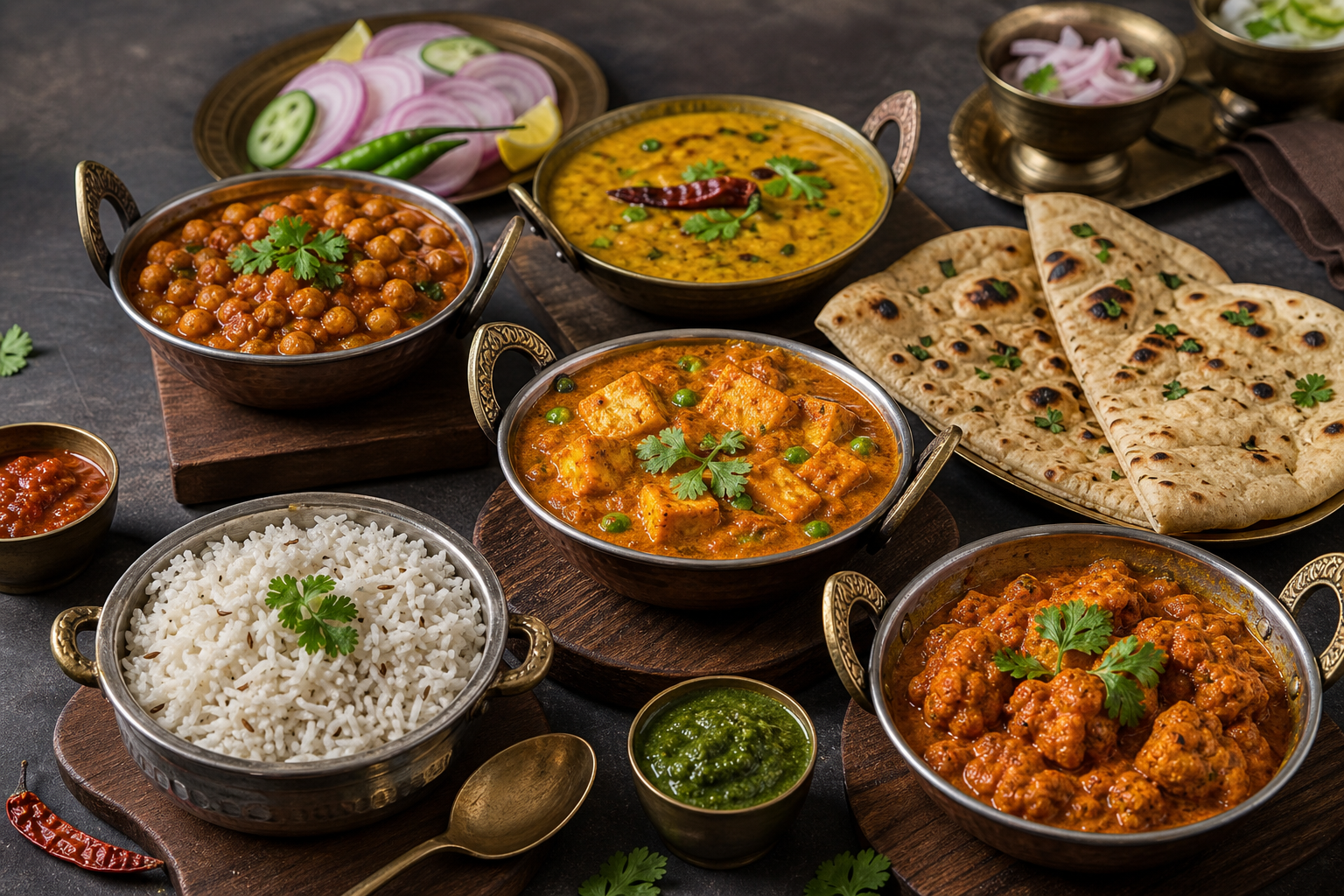
7 best Indian food menu options for groups and events
Planning an Indian food menu for a group, party, or casual event means balancing flavour, variety, and service logistics. This article lays out seven practical menu options—each described with what it offers, which guests it suits, serving and pairing ideas, and simple trade-offs to consider. Use the selection checklist below to assemble a menu that works for your crowd and the event format.
Selection criteria used
To keep options practical and useful, each menu option below was chosen against consistent criteria you can apply to any event:
- Diversity of tastes — includes spicy, mild, tangy and creamy profiles to suit varied palates.
- Dietary coverage — aims to offer vegetarian, gluten-optional, and protein-based choices.
- Shareability and logistics — focus on dishes that are easy to portion, pass around, or serve buffet-style.
- Preparation and holding — preference for items that travel and hold well if made ahead.
- Pairing potential — clear suggestions for common sides, breads, and drinks that complement each option.
1. Starter platter approach: mixed hot and cold bites
A starter platter is a flexible opener that lets guests sample different textures and flavours. Build a platter with a mix of fried and roasted appetizers plus a cold chaat or salad element. This approach works well for welcome receptions or as part of a buffet where guests arrive at different times.
- Common components to include: a fried samosa or veggie fritter, a roasted paneer or tikka skewer, and a tangy chaat-style spoon portion.
- Why it helps: accommodates eager eaters and creates visual variety on the table.
- Service note: supply small plates and toothpicks for easy sharing; label items if they contain common allergens.
2. Kulchas and breads: shareable breads as a centrepiece
Using stuffed breads and a selection of flatbreads as a menu focus creates a communal eating experience. Stuffed kulchas or filled parathas paired with a signature legume or curry turn breads into the main attraction, and they often pair well with chutneys and pickled salads.
- Pairing ideas: offer a mild chickpea or potato curry and a cooling yogurt-based side to balance spices.
- Portioning tip: arrange breads on platters and provide bowls of curry for guests to help themselves.
- Logistics: breads can be reheated briefly just before serving; include napkins and small bowls for sauces.
3. Signature curries and rice: classic mains with flexible plating
A main-course pairing of two or three curries plus a rice option gives guests a straightforward choice between vegetarian and protein-based mains. Curries can range from mildly spiced to richly spiced; serving one of each helps satisfy different preferences.
- Typical spread: one tomato- or cream-based curry, one legume- or vegetable-based curry, and a meat or paneer-based curry as the protein option.
- Rice and sides: pair with simple steamed rice or a lightly spiced pilaf and include a cooling raita or salad.
- Service format: ideal for plated meals or buffet lines where guests serve rice then choose a curry.
4. Tandoori and grilled specials: smoky flavour for interactive serving
Tandoori and grilled items bring a smoky, roasted note to the table and are often visually appealing when served on sizzling platters. These items can be offered as stand-alone mains or as part of a mixed grill selection for groups who want both vegetarian and meat options.
- Menu building: include skewered vegetables, paneer tikka, and a grilled protein if desired.
- Serving suggestion: finish with a squeeze of citrus and a sprinkle of fresh herbs; serve with breads and chutneys.
- Practical note: grilled items are best served soon after finishing; plan timing accordingly for hot, crisp results.
5. Vegetarian favorites: hearty, protein-rich main choices
Offering a robust vegetarian section ensures guests who prefer no meat still have satisfying choices. Think beyond simple sides: include legume-based mains, rich paneer dishes, and vegetable kormas that stand up alongside other mains.
- Representative dishes: a creamy paneer preparation, a spiced chickpea or dal, and a mixed vegetable curry with nuts or seeds for texture.
- Why it matters: vegetarian mains can be the star of the plate when cooked with layered spices and contrasting textures.
- Accessibility tip: mark vegetarian items clearly and provide gluten-aware bread or rice options where appropriate.
6. Chaat and street-food station: build-your-own flavour bowls
A chaat or street-food station invites guests to customize their portions and is especially effective for casual events. Provide a selection of bases, toppings, chutneys, and crunchy elements so guests can assemble their own bowls to taste.
- Station components: a starchy base (puffed or fried element), a saucy legume or potato mixture, fresh chopped herbs and onions, and at least two chutneys for contrast.
- Benefits: high customization reduces waste and lets guests control spice and portion size.
- Setup tip: label condiments and provide small ladles to keep the station tidy.
7. Desserts and drinks: cooling finishes and palate resets
A balanced dessert and drink selection helps round out an Indian food menu. Choose one creamy or milk-based dessert and one lighter, syrup-based sweet to cover different preferences. For drinks, include a cooling fermented yogurt beverage or a mildly spiced drink and at least one non-spiced option.
- Typical pairings: a milky dessert and a syrup-sweet dessert; a yogurt-based drink and a plain chilled beverage.
- Serving note: keep chilled items refrigerated until shortly before service; present sweets in small portions to complement, not overwhelm, the meal.
Planning and logistics: timing, portioning and staffing tips
When you put the menu together, consider the event format (seated dinner vs buffet vs stations), the kitchen and service setup, and how much can be prepared in advance. For buffet-style service, choose dishes that maintain texture when held warm. For plated service, time the cooking so grilled and fried items are delivered promptly.
- Portion guide: describe items on the buffet so guests know whether something is a side, starter or main; this helps avoid over- or under-serving.
- Staffing: for stations and live grills, schedule one attendant per station to maintain flow and freshness.
- Dietary labels: provide clear markers for vegetarian, dairy-free, and other common dietary needs.
Further reading and resources
For additional menu examples and event-focused suggestions, consult a curated resource on tailored Indian food menu options: indian food menu.
FAQ
How many dish categories should I include on an event menu?
Include at least three categories—starters, mains (with at least one vegetarian option), and desserts—to create a balanced experience. If the event is buffet-style, add a bread or rice category and one live or interactive station to increase variety without adding complexity.
What are reliable vegetarian mains that work for large groups?
Choose legume-based dishes, paneer preparations, and vegetable stews with contrasting textures. These dishes are typically easier to scale and can be made mildly spiced to appeal to a wider audience while offering a rich, satisfying component to the plate.
How can I prevent spicy items from overwhelming guests who prefer mild food?
Offer at least one mild option alongside spicier dishes, and provide cooling condiments such as yogurt raita or plain yogurt-based drinks. Clear signage and brief server notes also help guests choose appropriately based on their spice tolerance.
Can these menu options be adapted for takeaway or delivery?
Yes. Opt for dishes that travel well—stews, curries, and sturdier breads—and pack sauces separately where possible to preserve texture. Chaat-style items and heavily fried components can lose crispness, so consider offering them as short-hold options or allowing guests to assemble toppings on arrival.


Leave A Comment