





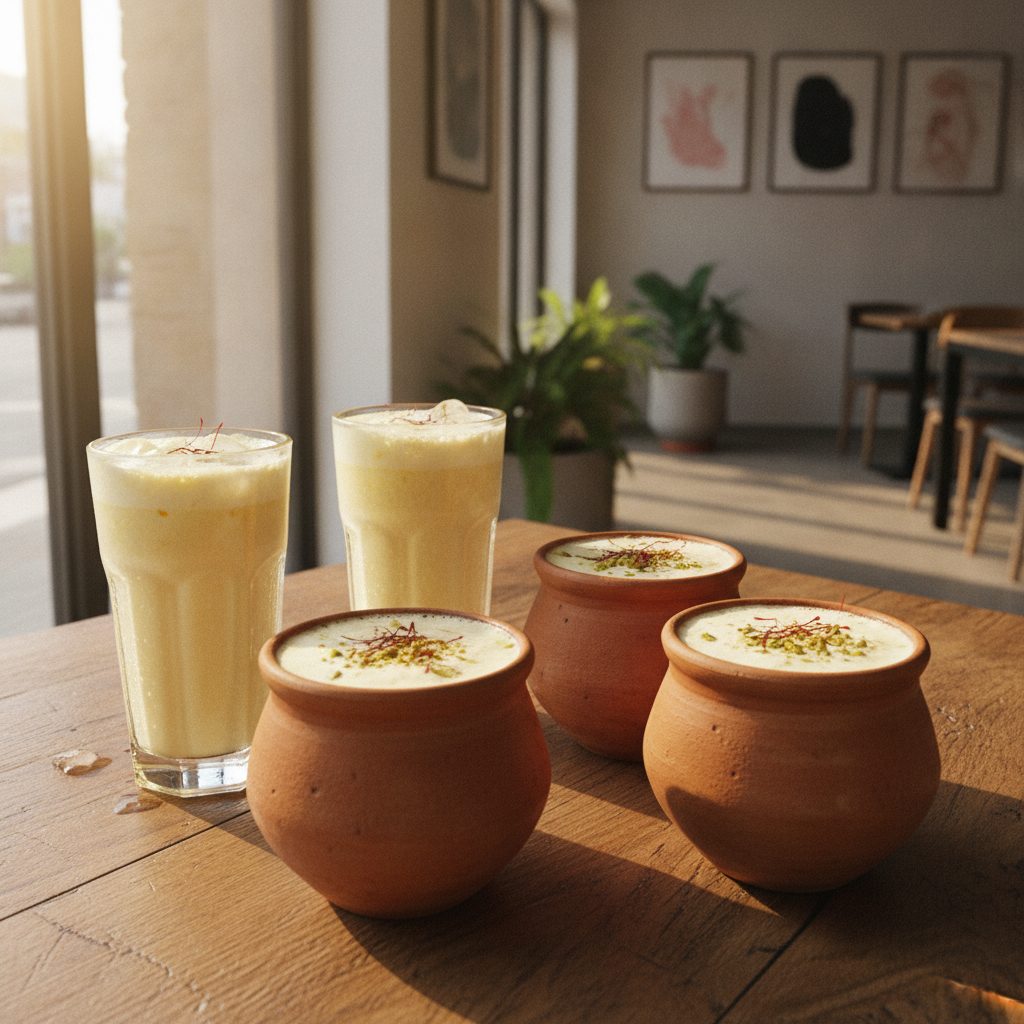
Sweet Lassi: The Ultimate Drink Guide for 2026 Fans
Sweet lassi is a chilled Punjabi yogurt drink blended with sugar, cardamom, and sometimes saffron or rose. It’s creamy, mildly tangy, and naturally refreshing. At Taste of Amritsar in 27 main st N, it’s a signature, house-made drink that pairs with spicy tandoori and hearty kulchas—cooling your palate while elevating every bite.
By Harman Jaura • Taste of Amritsar
Last updated: July 2, 2026
Above the Fold: Why Sweet Lassi Belongs at Your Table
Order sweet lassi when you want balance with bold Punjabi flavors. Its cool, silky yogurt base reduces heat from spices, adds gentle sweetness, and hydrates without heaviness. At Taste of Amritsar, we craft it to complement tandoori smoke, crisp kulchas, and street-style chaats—so every sip resets your palate for the next bite.
Here’s a quick look at what you’ll learn and how to get the most from this beloved Punjabi classic at Taste of Amritsar.
- What sweet lassi is and how it differs from salty or fruit lassi
- Why the yogurt–water ratio and chill time change the texture dramatically
- Step-by-step method we use, including house spice cues
- Pairings with Amritsari kulcha, signature curries, and tandoori specials
- Local ordering tips for 27 main st N and group-friendly suggestions
Want to explore beverages and pairings we feature on-site? Browse our beverage highlights and scan the broader cuisine collection for ideas that match your table.
- Jump to Summary
- What Is Sweet Lassi?
- Why It Matters
- How It Works (Method)
- Types & Variations
- Best Practices & Pairing
- Tools & Resources
- Case Studies & Examples
- FAQ
- Key Takeaways
- Next Steps
Quick Summary
Sweet lassi is a classic Punjabi yogurt drink that’s whisked until silky and lightly sweet. The best versions use strained yogurt, a 2:1 yogurt-to-water blend, fresh cardamom, and an ice-cold pour. It cools spice, aids digestion, and pairs with everything from tandoori to Amritsari kulchas.
Think of sweet lassi as your flavor reset between bites of bold North Indian food. Its creaminess rounds off heat while the slight tang keeps it lively. A short 10–20 minute strain, a quick 45–60 second whisk, and a chill to below 40°F give you café-style texture at home. Add pistachios or a saffron bloom when you want something festive and rich without tipping into dessert territory.
- Core profile: creamy, cooling, lightly sweet, aromatic (cardamom/saffron)
- Ideal moments: with spicy grills, rich curries, and stuffed kulchas
- Texture keys: strained yogurt, cold water/ice, vigorous whisking
- Signature at Taste of Amritsar: balanced sweetness with imported masalas
If you like reading more drink-forward content, our on-site beverage category and blog list often highlight pairings that match seasonal menus.
What Is Sweet Lassi?
Sweet lassi is a chilled Punjabi drink made by whisking yogurt with sugar and aromatics like cardamom. Properly strained yogurt and cold dilution produce a silky, spoon-coating texture. It’s distinct from salty lassi and fruit lassi, leaning dessert-like without being heavy.
In Punjabi kitchens, lassi is hospitality in a glass—cool, generous, and celebratory. Sweet lassi leans toward a dessert-adjacent profile, but at Taste of Amritsar we keep it food-friendly: lightly sweet, balanced tang, and a clean finish so it pairs with mains. The base is full-fat yogurt (dahi), aerated to micro-bubbles that carry cardamom aroma. A 2:1 yogurt-to-water ratio hits a sweet spot: pourable, creamy, and not cloying.
How it differs from other lassis
- Salty lassi: savory, often with cumin and black salt; built to refresh on hot days and with rich gravies.
- Fruit lassi: adds pulp (mango is classic); thicker, more dessert-like, and often sweeter.
- Masala lassi: a spiced twist; the sweetness is dialed down for meal pairing.
For a broader context on sweet beverages and traditions, you can skim this background on chai and lassi styles in a friendly explainer here: chai & lassi overview. It’s a light read that helps newer diners picture the range of options.
Why Sweet Lassi Matters in Punjabi Dining
Sweet lassi matters because it balances spice, hydrates, and adds a gentle sweetness that flatters smoky tandoori and rich gravies. A well-made glass elevates the full meal, letting you taste more nuance in each bite without palate fatigue.
North Indian dining is built on contrast—smoke and cool, heat and sweet, crisp and creamy. The yogurt proteins and fats mellow chili heat while micro-foam keeps the drink lively. In our dining room, we see a consistent pattern: when guests pair lassi with grills or kulchas, they report steadier enjoyment from first to last bite. A few operational cues make a difference too: pour into pre-chilled glasses; garnish only lightly so aroma leads but sweetness stays balanced; and serve immediately to preserve the foam head.
Benefits you can feel at the table
- Palate balance: cool dairy tempers chili heat without muting smoke.
- Texture contrast: creamy sip + crisp kulcha creates rhythm in the meal.
- Meal pacing: brief sips between spicy bites keep flavors distinct.
- Shareable: easy to split pours for families and large groups.
If you love exploring how beverages frame a meal, our seasonal pairing notes often touch on similar concepts—see a recent post in our pairing series for additional context.
How Sweet Lassi Works (Texture, Balance, Method)
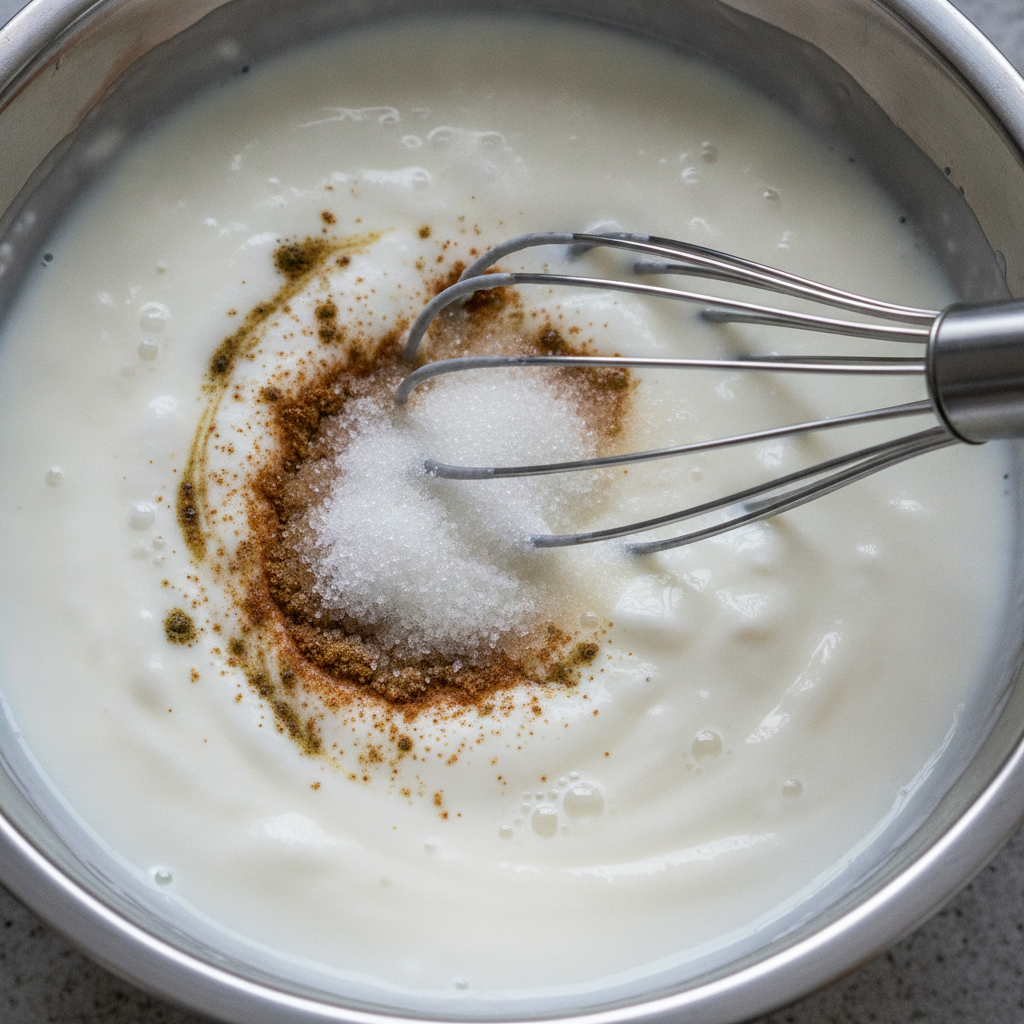
Make sweet lassi silky by straining yogurt, chilling all ingredients, and using a 2:1 yogurt-to-cold-water ratio. Whisk or blend until micro-bubbly, sweeten lightly, and serve immediately over ice. This method yields a creamy yet drinkable texture that cools spice without feeling heavy.
Here’s the practical, repeatable method we use in our kitchen for consistent results. The ratios work at home too—scale up or down based on your table size. Numbers to remember: strain 10–20 minutes; whisk 45–60 seconds; chill below 40°F; garnish lightly (about 1–2 teaspoons of crushed pistachios per glass when used).
The step-by-step blueprint
- Strain the yogurt: 10–20 minutes in a fine sieve for thicker body.
- Chill everything: yogurt, water, and serving glasses.
- Measure the base: 2 parts yogurt to 1 part cold water (or ice).
- Whisk/blend: 45–60 seconds until glossy and airy.
- Sweeten: add sugar to taste; start modestly and adjust.
- Season: a pinch of freshly ground cardamom; saffron optional.
- Check texture: should coat a spoon yet pour smoothly.
- Serve cold: immediately, with pistachio garnish if you like.
| Step | Target | Pro Tip |
|---|---|---|
| Strain | Thicker body | 10–20 minutes gives café-style creaminess |
| Ratio | 2:1 yogurt:water | Go 3:1 for a dessert-like sip |
| Blend | Micro-bubbles | Stop before it thins out |
| Sweeten | Lightly sweet | Keep food-friendly; avoid syrupy finish |
Chef’s cue: If pairing with very spicy tandoori, reduce sugar slightly and let cardamom sing. For a stand-alone treat, add a few soaked saffron strands. You can skim background on Punjabi sweets culture for context here: Punjabi sweets background.
Local considerations for 27 main st N
- Weekend crowds: Order sweet lassi with your mains to avoid re-queuing; it arrives fast and keeps well at the table.
- Seasonal heat: In warmer months, opt for extra ice and a touch less sugar for peak refreshment.
- Family tables: Ask for split pours; our team can portion one batch into smaller glasses for easy sharing.
Planning your visit? Our beverage roundups and the full blog list are handy when you’re mapping a group meal around grills, kulchas, and chaats.
Types, Styles, and Flavor Variations
Sweet lassi comes in classic, saffron-pistachio, rose, and fruit-forward styles. Each shifts texture and sweetness. Classic pairs best with spicy mains; rose leans floral; saffron adds luxury; fruit versions like mango drink more like dessert. Choose based on your meal’s heat and richness.
We love celebrating variety while staying true to Punjabi technique. “Classic” is your all-purpose partner; saffron-pistachio feels festive; rose is light and perfumed; mango is indulgent and often replaces dessert. When fruit enters the picture, reduce added sugar by 20–30% to avoid tipping the balance. For deeper reading on sweet traditions, this quick primer on laddus and sweets provides cultural color: laddu guide.
| Style | Sweetness | Texture | Best With | Notes |
|---|---|---|---|---|
| Classic sweet | Light–moderate | Silky, airy | Spicy grills, kulchas | Cardamom aroma, pistachio garnish |
| Saffron-pistachio | Moderate | Rich, decadent | Celebrations | Soak saffron 10–15 min in warm milk |
| Rose | Light–moderate | Silky | Light meals | A few drops of quality rose water |
| Mango (aam) | Moderate–high | Thicker | Snack/dessert | Use ripe mango pulp; reduce sugar |
| Masala (spiced) | Low–light | Silky | Rich gravies | Pinch of roasted cumin + black salt (savory bend) |
When to choose each style
- Classic: when sharing tandoori and kulchas—keeps bite-by-bite clarity.
- Saffron: for special dinners; it reads festive and luxurious.
- Rose: for light starters and chaats where floral notes shine.
- Mango: when you want a treat that can replace dessert.
- Masala: if you prefer a savory-leaning, spice-coaxing sip.
Best Practices for Ordering, Pairing, and Enjoyment
Order sweet lassi with bold or spicy dishes, keep sweetness moderate, and sip between bites. Pair with Amritsari kulchas, smoky tandoori, and rich gravies. For groups, request split pours. For heat lovers, dial back sugar and let the cardamom lift the palate.
These are the habits our regulars use to turn a good meal into a great one—simple moves that maximize contrast and comfort. Place your beverage order with entrées, not after them, so the glass lands ice-cold when the grills arrive. If your main leans sweet (for example, tomato-forward gravies), stick to classic or masala lassi to avoid doubling down on sugar. When your table is bread-forward—Amritsari kulcha, nutri kulcha, or tandoori roti—ask for a slightly thicker pour for tactile harmony.
Our favorite in-house pairings
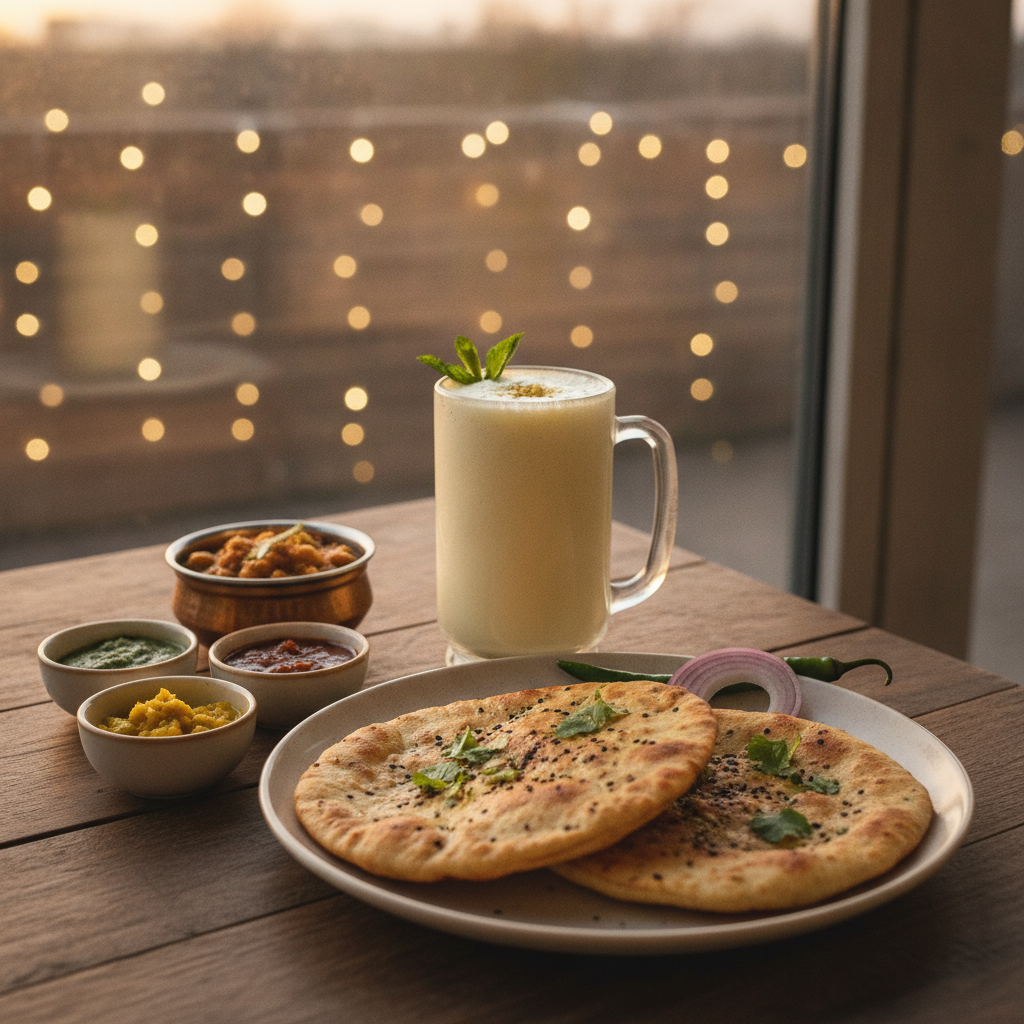
- Amritsari kulcha + classic lassi: crisp bread, spiced stuffing, and a creamy sip—balanced comfort.
- Paneer tikka + classic (less sugar): lets the smoke and spice stay the lead.
- Afghani chaap + saffron-pistachio: rich-on-rich for celebratory meals.
- Street-style chaat + rose lassi: bright, tangy snacks with a floral counterpoint.
- Chole bhature + masala lassi: savory-leaning sip that keeps you going.
If you like to browse beverage angles while you plan, peek at our seasonal pairing notes or the beverage category for inspiration alongside Punjabi favorites.
Tools and Ingredients We Trust (Kitchen & Home)
Great lassi starts with quality strained yogurt, cold water, and fresh cardamom. A fine-mesh sieve, balloon whisk or blender, and pre-chilled glasses complete the setup. Keep dairy below 40°F in the fridge, and grind cardamom fresh for a bright, aromatic lift.
Here’s the gear and pantry list we rely on in our kitchen, simplified for home cooks too. It’s about precision in small moves: fresh spices, cold temperatures, and light hands with sweeteners.
Essential gear
- Fine-mesh sieve or cheesecloth: 10–20 minutes of draining concentrates creaminess.
- Balloon whisk/blender: builds micro-foam fast without over-thinning.
- Pre-chilled glasses: a frosty vessel preserves texture 10–15 minutes longer.
- Accurate measuring: a simple liquid measure helps keep the 2:1 ratio consistent.
Ingredient quality
- Yogurt: full-fat, clean-tasting base makes the biggest difference.
- Cardamom: grind seeds just before blending; aroma fades within hours once ground.
- Saffron (optional): bloom 10–15 minutes in warm milk for color and depth.
- Sweeteners: start modestly; increase only if your mains aren’t sweet.
Planning a dessert finish too? Our ice cream bar experience plays nicely with fruit-forward lassi for guests who want a layered sweet course after mains.
Case Studies & Real-World Examples
Families, spice fans, and first-timers get the most from sweet lassi by pairing it with smoky, spicy, or rich dishes. Split pours help big groups, and dialing sweetness to the entrée keeps flavors in balance. The result: cooler palates, clearer flavors, and happier tables.
We see predictable wins in our dining room. Use these snapshots to model your own order and pace your meal like a pro at Taste of Amritsar.
9 quick scenarios
- Family of four: Two classic lassis, split into four glasses, with two Amritsari kulchas and one rich curry—cooling sips without filling up.
- Spice enthusiasts: Classic with reduced sugar next to extra-spicy tandoori. Cold tang highlights smoke without muting heat.
- First-timers: Saffron-pistachio for a celebratory vibe plus a spread of starters and chaats—big smiles and clean plates.
- Bread lovers: Slightly thicker classic pour with nutri kulcha and tandoori roti—texture harmony.
- Light lunch: Rose lassi with a chaat sampler—floral lift, clean finish.
- Late dinner: Classic, lightly sweet, between paneer tikka bites—keeps flavors sharp without heaviness.
- Sharing table: One large batch split into six small glasses—everyone engages without over-ordering drinks.
- Dessert day: Mango lassi as a dessert stand-in after mains—reduce added sugar by 25–30%.
- Celebration: Saffron-pistachio with Afghani chaap—rich-on-rich for a banquet feel.
Keep exploring flavors and stories on our blog hub—we regularly share new pairing ideas inspired by the streets and kitchens of Punjab.
Frequently Asked Questions
Sweet lassi is best served ice-cold, lightly sweet, and aromatic. Use a 2:1 yogurt-to-water ratio, strain for creaminess, and sip between spicy bites. Classic sweet lassi pairs broadly; fruit or saffron styles lean more dessert-like.
What makes sweet lassi different from a milkshake?
Lassi is yogurt-based and lightly sweet with aromatic spices, while milkshakes rely on ice cream and are heavier. The tang from yogurt keeps lassi crisp and food-friendly, so it pairs well with spicy mains instead of feeling like a full dessert.
Is sweet lassi vegetarian and gluten-free?
Yes—lassi is naturally vegetarian and typically gluten-free. Traditional recipes use yogurt, water, sugar, and spices. If you have allergies, mention them when ordering so we can avoid cross-contact and tailor garnishes as needed.
Can I get it less sweet or dairy-light?
Absolutely. Ask for reduced sugar, extra cardamom, or a thinner pour. We can also adjust richness by tweaking the yogurt-to-water ratio, so your glass stays refreshing alongside your chosen dishes.
What should I pair sweet lassi with?
Pair classic sweet lassi with spicy tandoori, stuffed Amritsari kulchas, and rich gravies. For fruit-forward lassi, keep entrées less sweet. Saffron-pistachio suits celebratory meals or light starters where its aroma can shine.
Key Takeaways
Sweet lassi works best when lightly sweet, very cold, and well-aerated. Strain yogurt, use a 2:1 ratio, and sip between spicy bites. Choose classic for broad pairing; saffron/mango when you want more dessert energy.
- Strain, chill, and whisk for café-style silkiness
- Keep sweetness moderate to flatter savory food
- Match texture to your mains (thicker for crispy breads)
- Pair with tandoori smoke, stuffed kulchas, and rich gravies
- Explore more ideas on our cuisine page
Your Next Step: Experience It Fresh
The best way to understand sweet lassi is to taste one alongside your favorite Punjabi dishes. Join us in 27 main st N, order it with tandoori and kulchas, and experience the balance a great lassi brings to the table.
Soft invite: Stop by for a glass of classic sweet lassi with your next meal, or ask our team which variation fits your order best. While you plan, you can also enjoy this friendly primer that paints the bigger picture of Indian sweets culture: Indian sweets overview.


Leave A Comment